

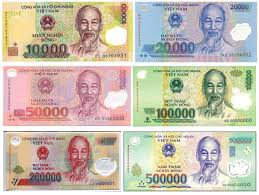
Vietnam is a southeast Asian country known for its beaches, rivers, pagodas and the bustling cities. There are so many tourist places all over the country and moreover travelling in this country is so cheap compared to other Asian countries. Despite being cheap and safe, the country is not so popular like its counterparts Singapore, Malaysia or Thailand. Best time to travel Vietnam is in the spring ie, March to April or September to November. Though the official currency of Vietnam is Vietnamese Dong (VND), the USD is equally or more often accepted everywhere right from paying to the visa at the Airport. (if your county is in the list of Visa on arrival for Vietnam).
The official language is Vietnamese and very few people manage to speak english in major cities like Hanoi and Ho chi Minh. Hanoi is the capital city of Vietnam.
Hanoi:
Hanoi, has many tourist attractions and the most important is Ho Chi Minh Mausoleum. Ho Chi Minh, the great leader of this country has left an indelible mark on Vietnamese history and is popularly known as “Uncle Ho” by locals and his preserved body is now laid to rest in a glass case in this Mausoleum.
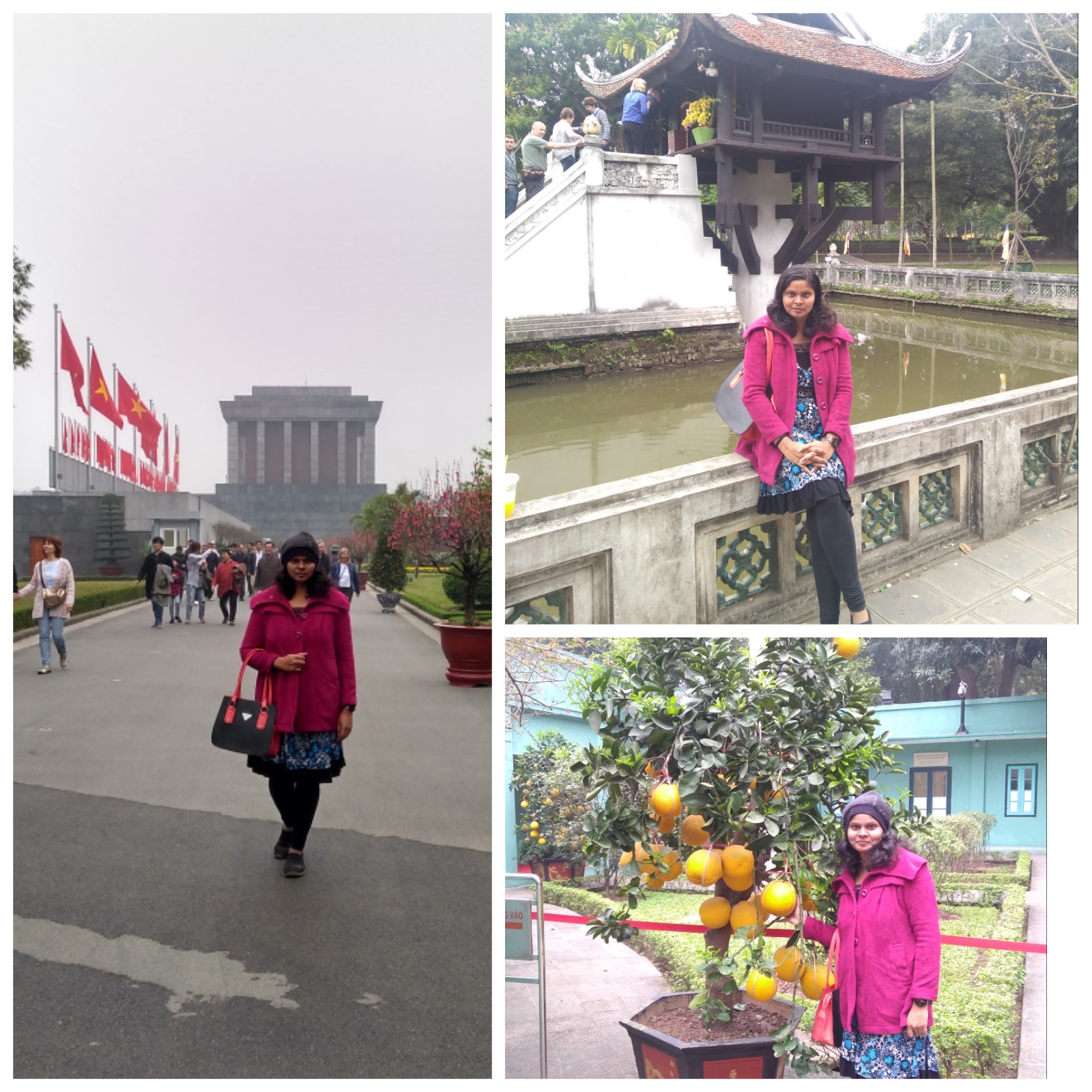
Ho Chi Minh mausoleum and one pillar pagoda at Hanoi
The Turtle lake or Hoan Kiem lake is another popular spot among the locals and tourists and is located in the centre of Hanoi. Ngoc Son temple is on a small island in the centre of the lake and linked by a bridge. The lake area is a popular hangout spot for both locals and tourists. During evening this area becomes busy with joggers or people enjoying the relaxing time across the lake and street food vendors. There is a fee of VND 20,000 if you want to visit the temple but to hang out around the lake is free of cost.
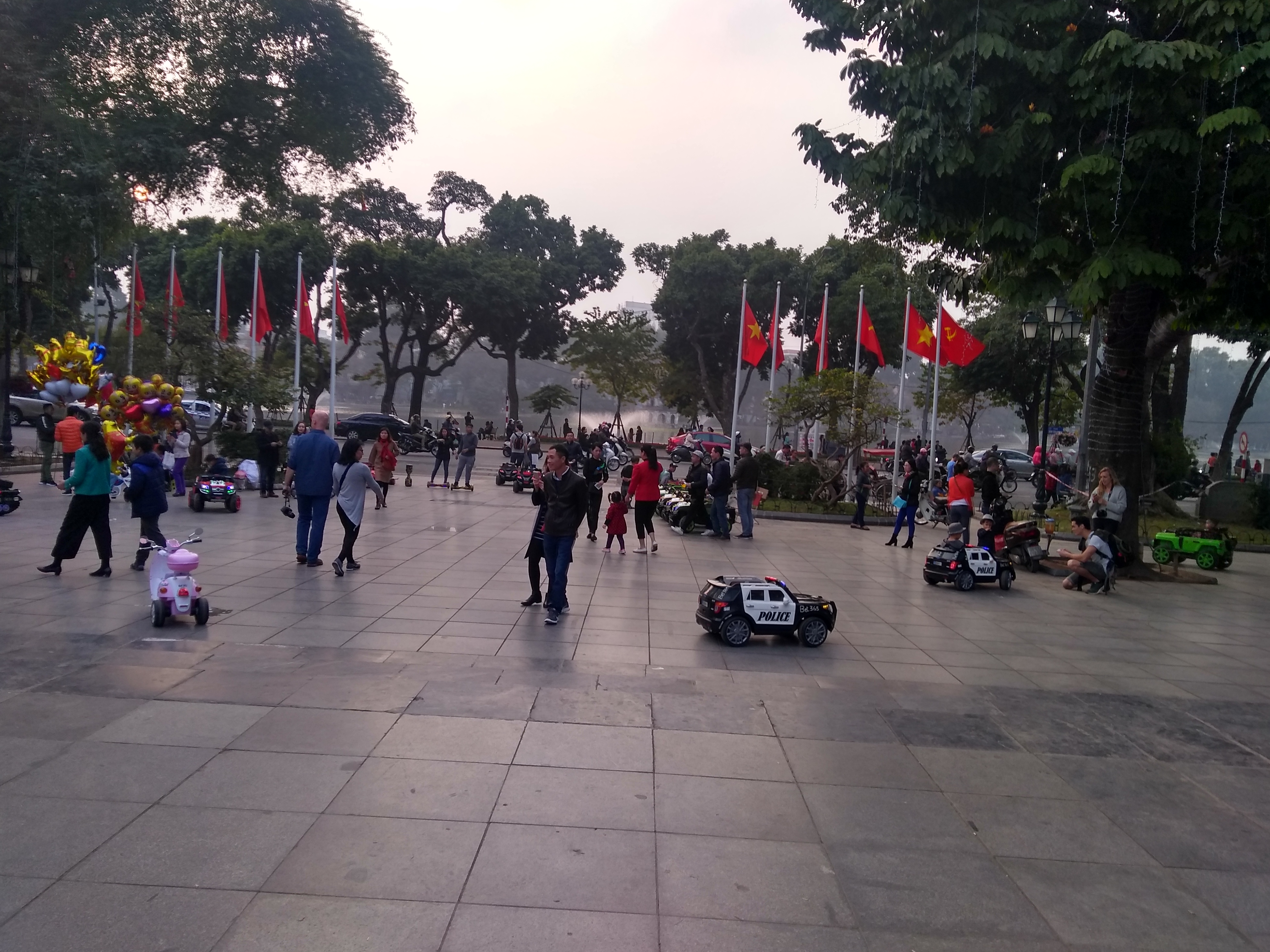
City square at Hanoi 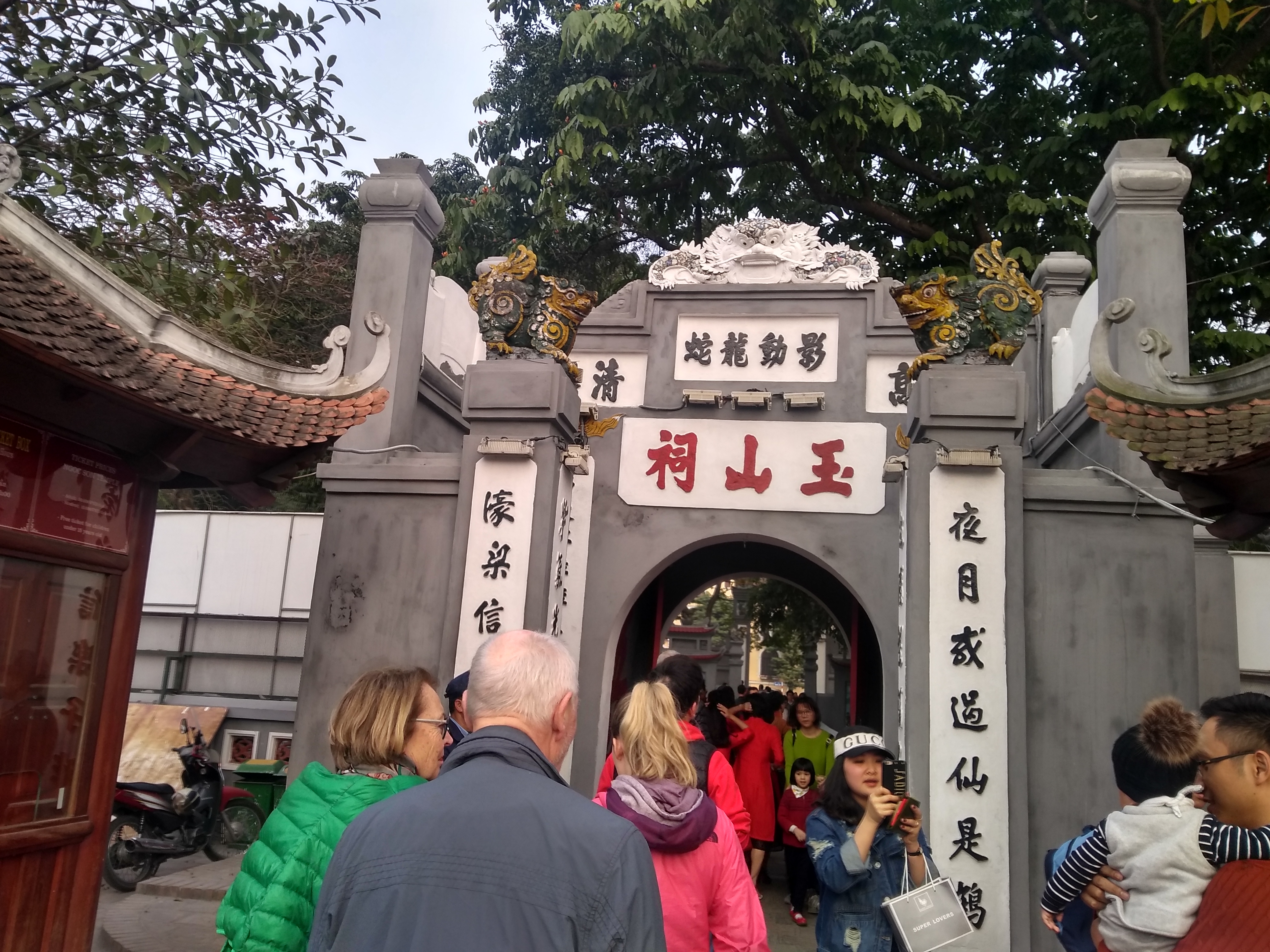
Ngoc son temple 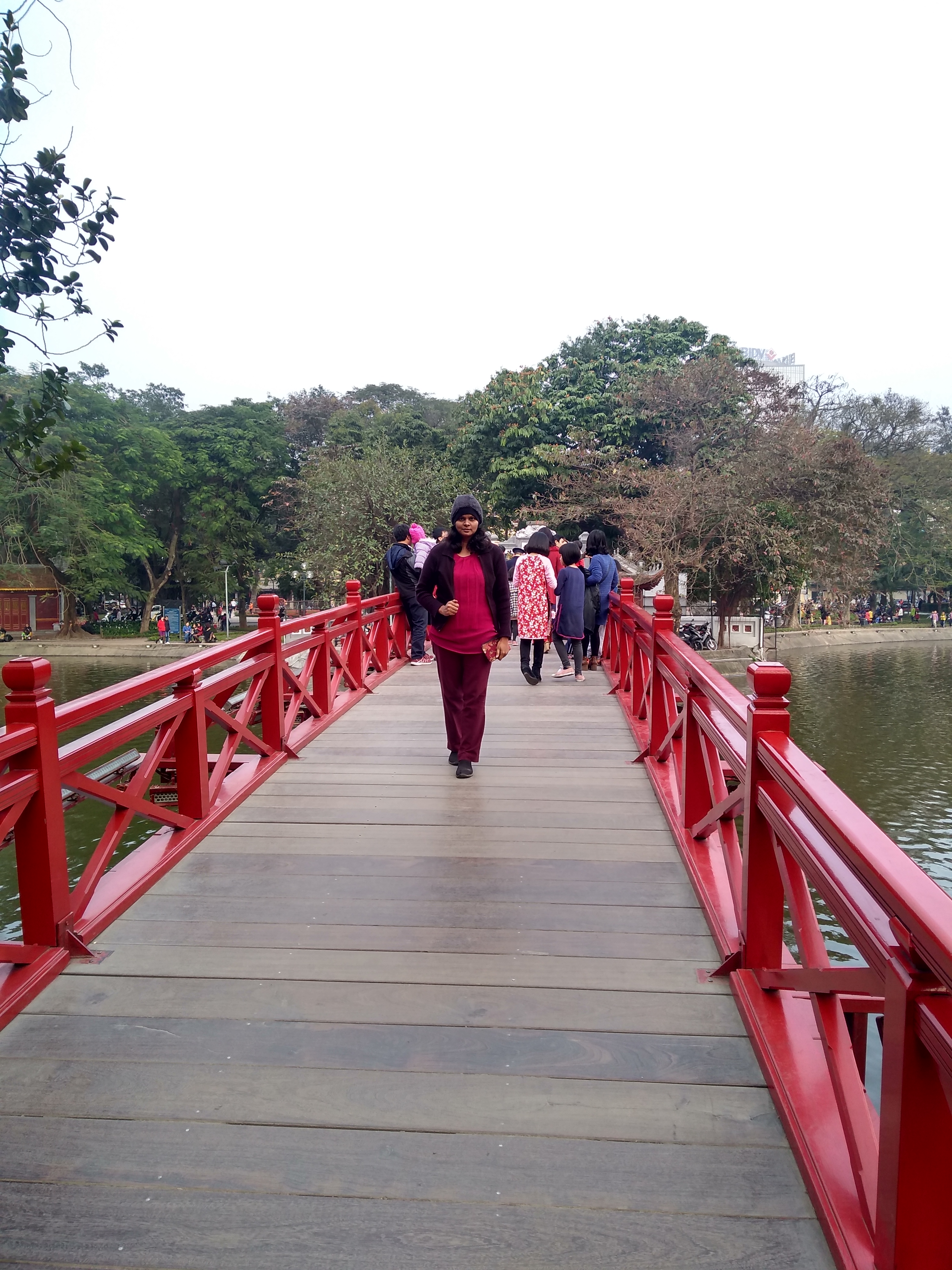
Bridge connecting the temple 
Hoan kiem lake
The other places to visit in Hanoi is perfume pagoda, Temple of literature, Dong Xuan market, One pillar pagoda. Hanoi old quarter is a fascinating area of the city where tourists can enjoy fine examples of colonial architecture packed along narrow streets.
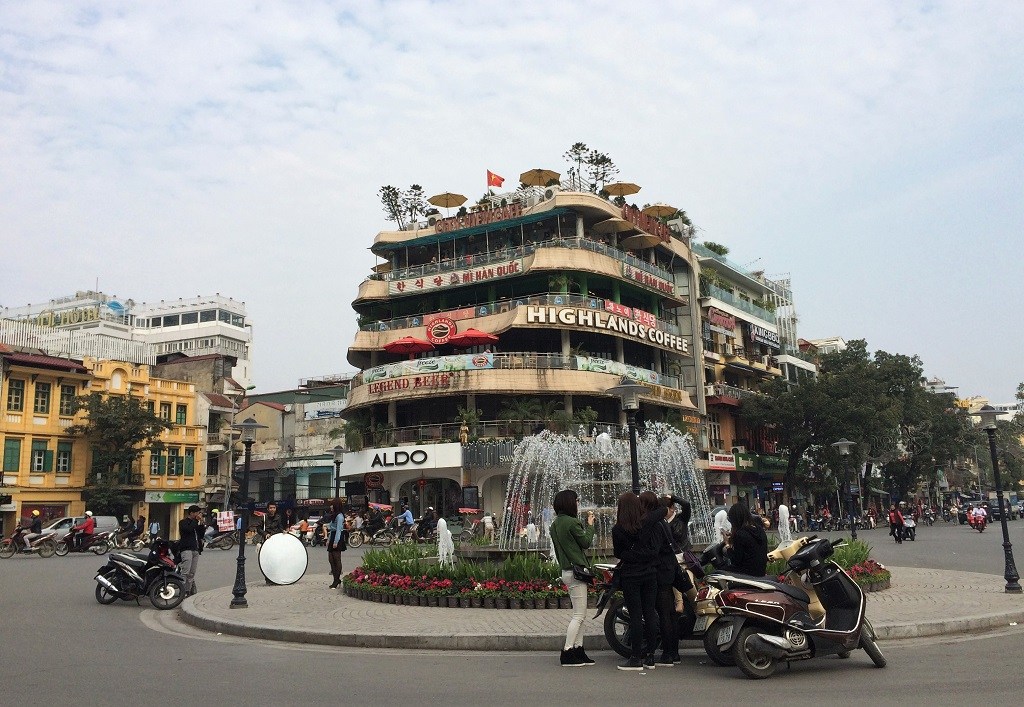
Hanoi Old Quarter is a fascinating area of the city where visitors can enjoy many fine examples of colonial architecture packed along narrow streets. Endless packs of scooters, motorbikes, bicycles and cars weave around traders selling fruit and souvenirs and narrow shop houses sell delicious Vietnamese food for pennies. The Old Quarter brings to life what many people imagine Hanoi to be, and exploring this area on foot is highly recommended for all visitors to experience the life of locals at Hanoi.
In Vietnam, French baguettes and coffee have something very much in common with pho rice noodles as the locals consume them in massive amounts daily, so they’re sold everywhere. Food choices in general are good and dishes come at cheap to affordable prices no matter where you prefer to dine. Old quarter is also famous for shopping and night life.
The interesting place of Hanoi is ‘train street’, located in the Old Quarter, just a short walk from Hoan Kiem Lake. For the outsider like me, it seems like an extraordinary place to live, but for the localites that reside on this small stretch of track, it is their home. This place is just around the old quarter and a 30 minute walk from the turtle lake.
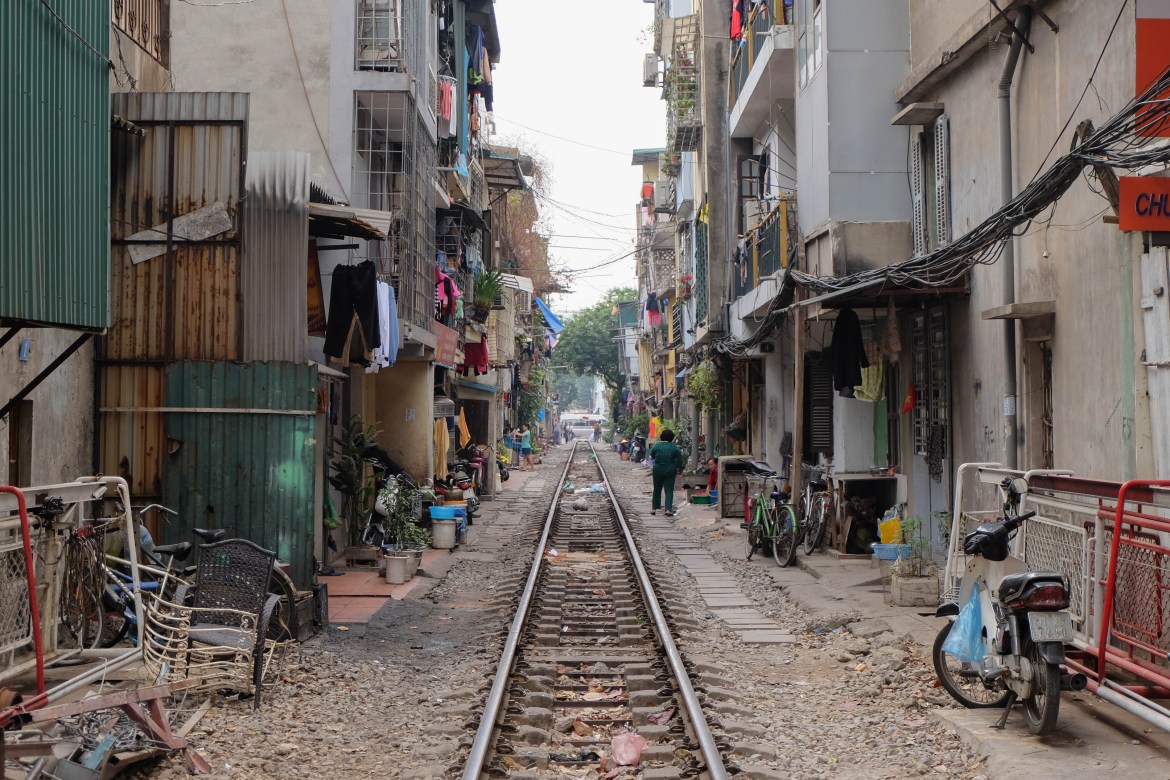
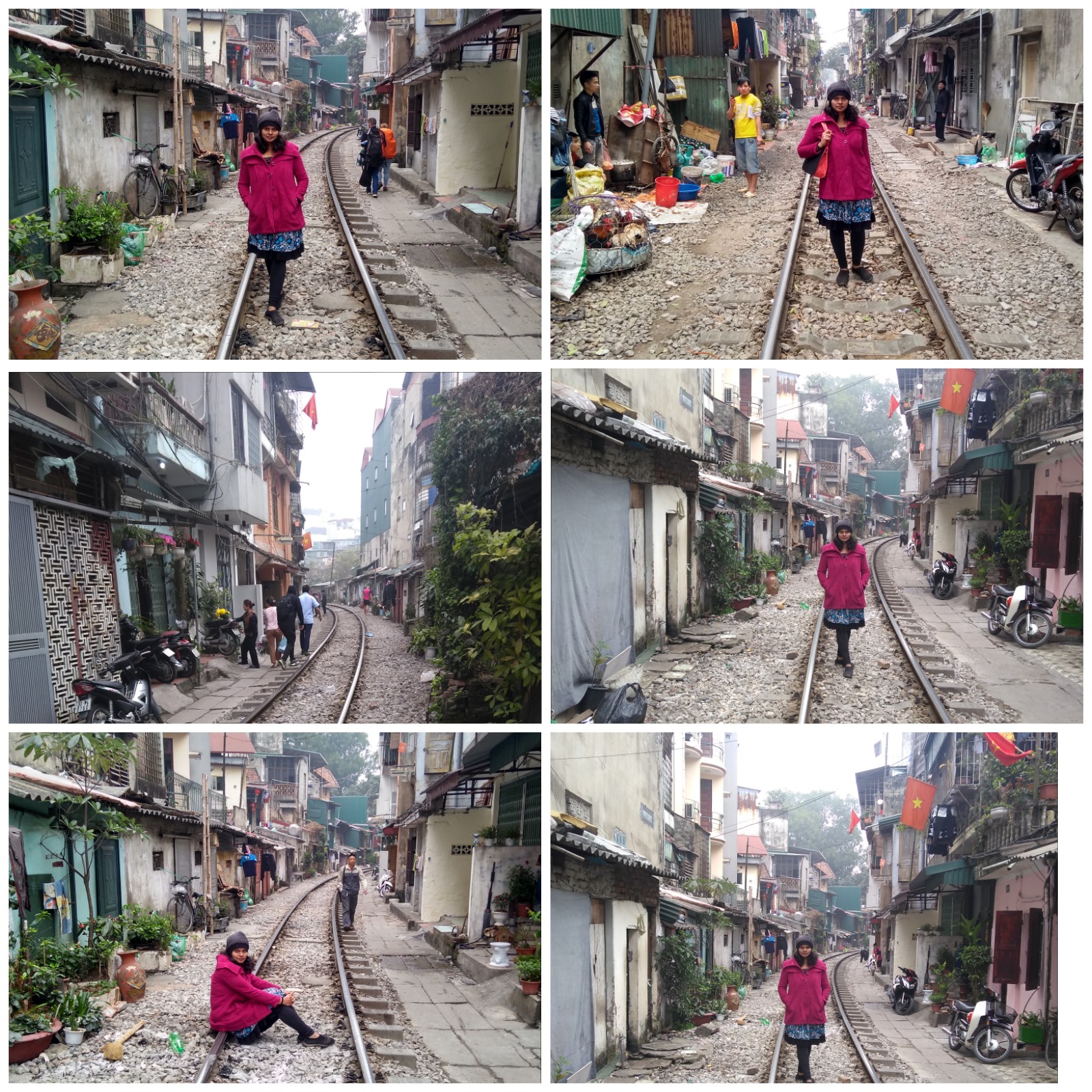
The train passes through this route twice a day at 3.30 pm and 7.30 pm. I recommend getting there early but make sure that you are in a safe spot for when the train passes. The train isn’t likely to stop if you are caught in the middle of the track when it passes. Getting a cool selfie isn’t worth the chance of death. Staying at the old quarters is highly recommended as you can explore above said places by foot or by renting a bike. Old quarter is the most happening place in Hanoi and also for the nightlife. Overall you can cover all the sightseeing places in 3 to 4 days.
Sapa:
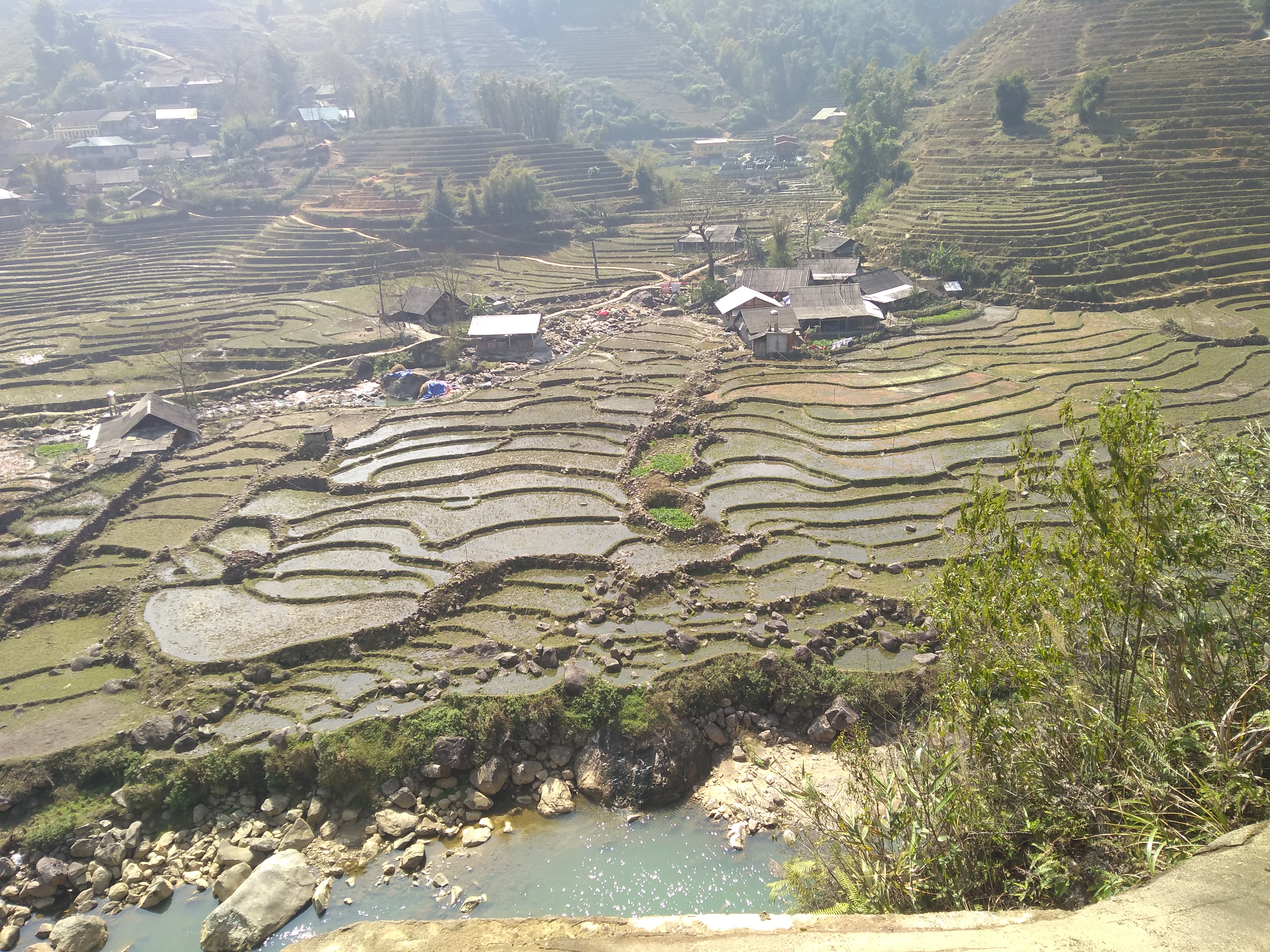
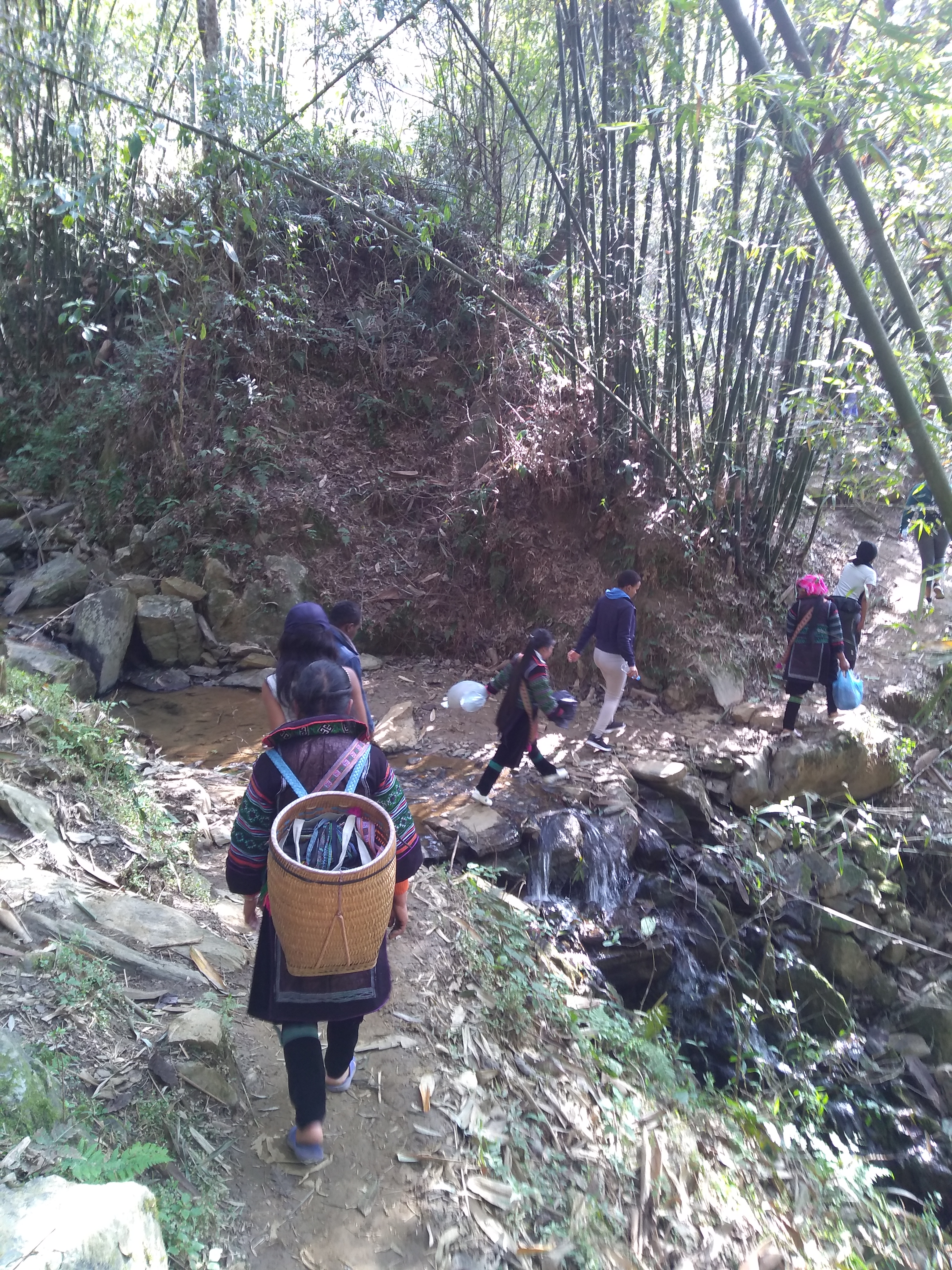
Trekking in Sapa
And then I moved to Sapa a small mountain in Lao cai province. It is around 350 Kms from Hanoi and can be easily reached by sleeper bus. Bus is the convenient and cheapest mode of transport to travel in Vietnam. The train fares are bit expensive compared to buses. The bus fare can go high if you are travelling in holidays or during the festivals. When i went to Vietnam in Feb, the whole country was celebrating Tet festival (New year). Since it is a major festival in Vietnam I ended up paying double than the normal fare even for accomodation or for the bus fare. But it was worth it as you get to see celebrations everywhere and in almost all the cities. And the draw back is I did not get anything to eat as all the shops were closed for three days.
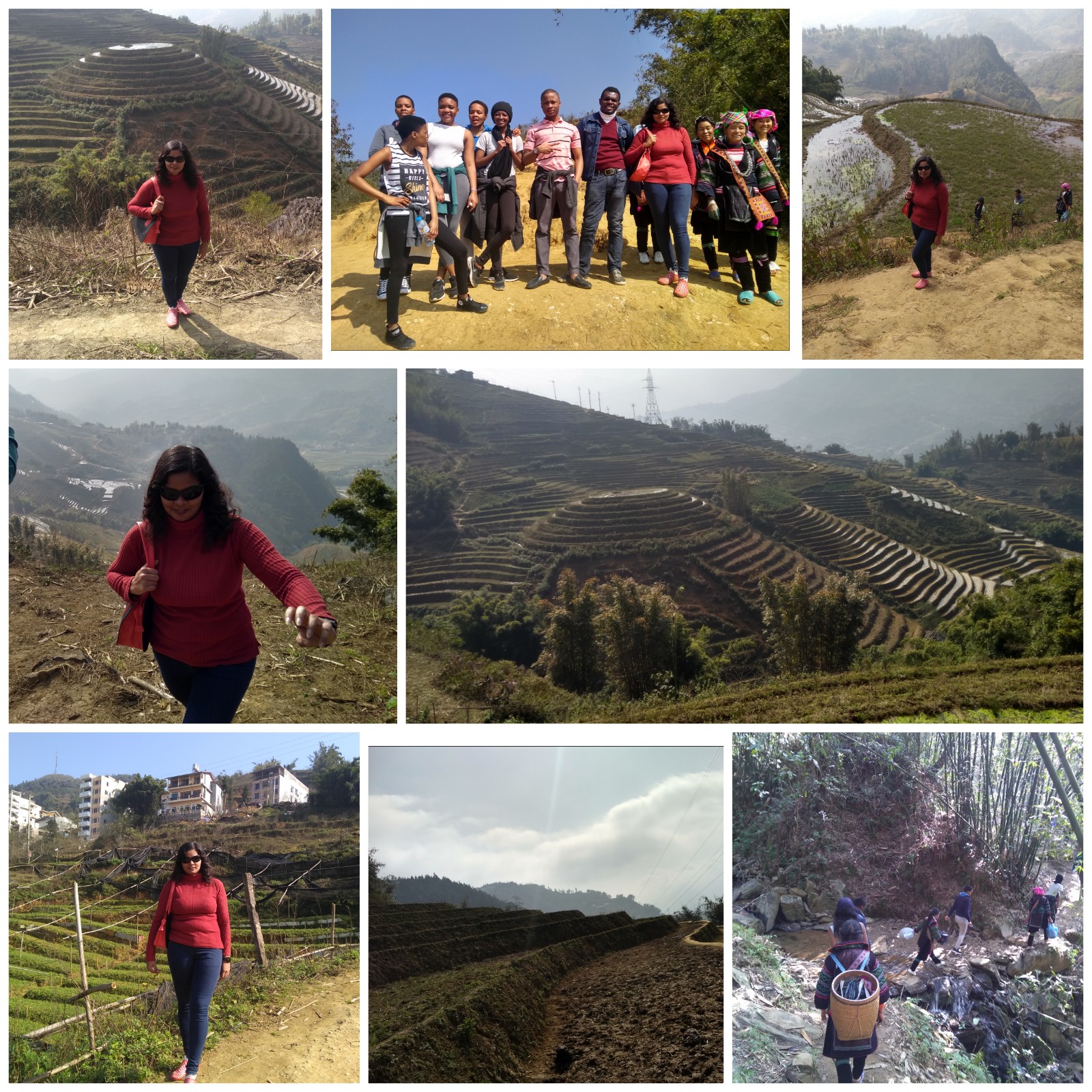
The country’s highest peak Fan Si pan is 19kms from Sapa and also one of the primary attraction. These days, Sapa welcomes a diverse range of visitors, attracted by the highland tribes, iconic rice paddies and forest treks. The whole area is blessed with awe-inspiring natural beauty.
The attraction in Sapa is trekking and hiking to Cat Cat village and Ta phin Village. The Bac Ha Market and Coc Ly Market are good alternatives for those who want to experience shopping the way locals do without being dampened by commercialisation. If you want to visit these Tribal markets, you should book a day tour from a travel agent in town. Every Sunday, the different hill tribes that meet in the morning to sell their wares make up the Bac Ha Market. Unlike the Saturday Market, this is more about local business than tourism. The market is open until noon, but the best time to visit is between dawn and late morning. If you miss the Bac Ha Market, you can wait until Tuesday for the Coc Ly Market, which is smaller and less varied.
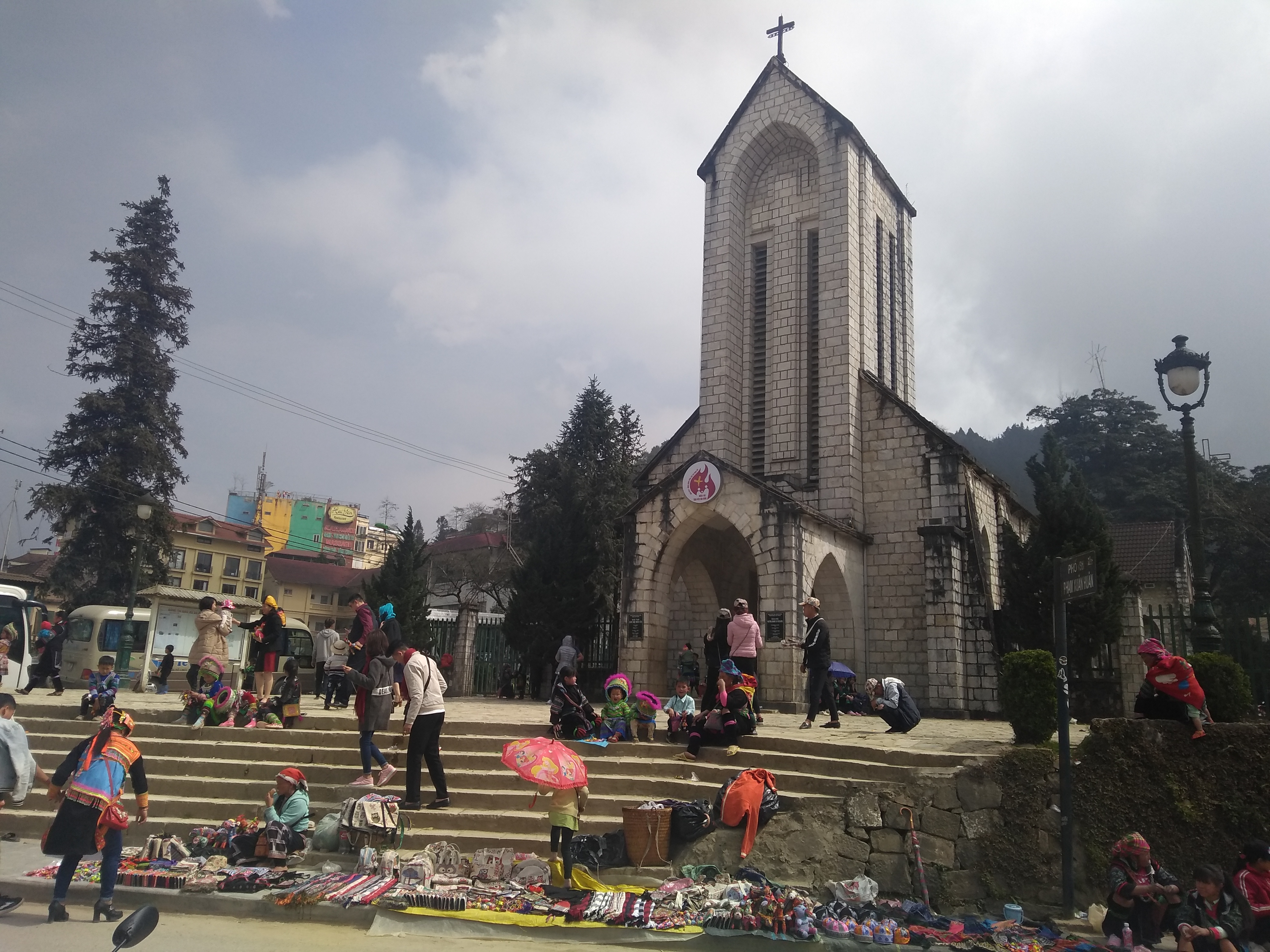
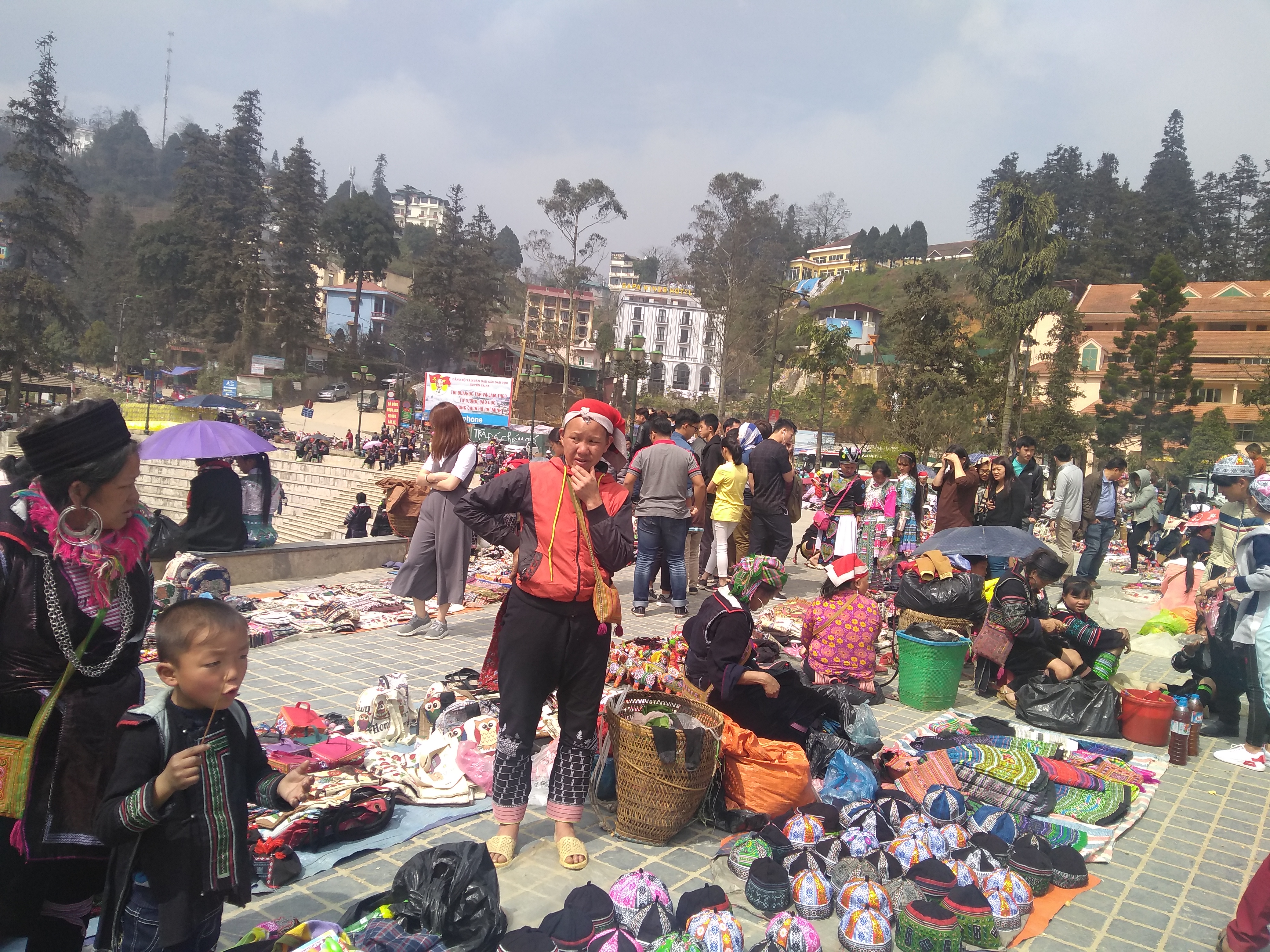
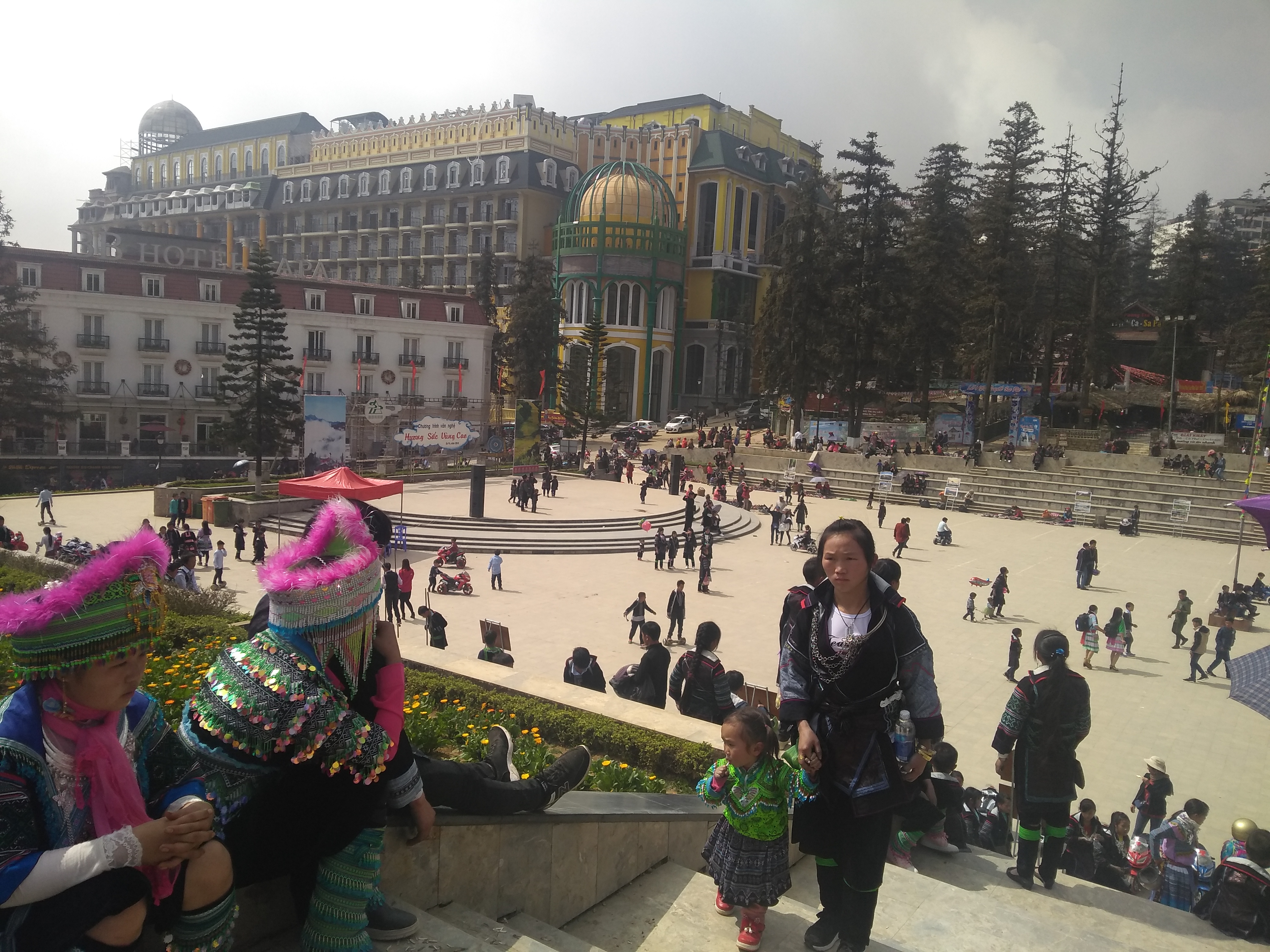
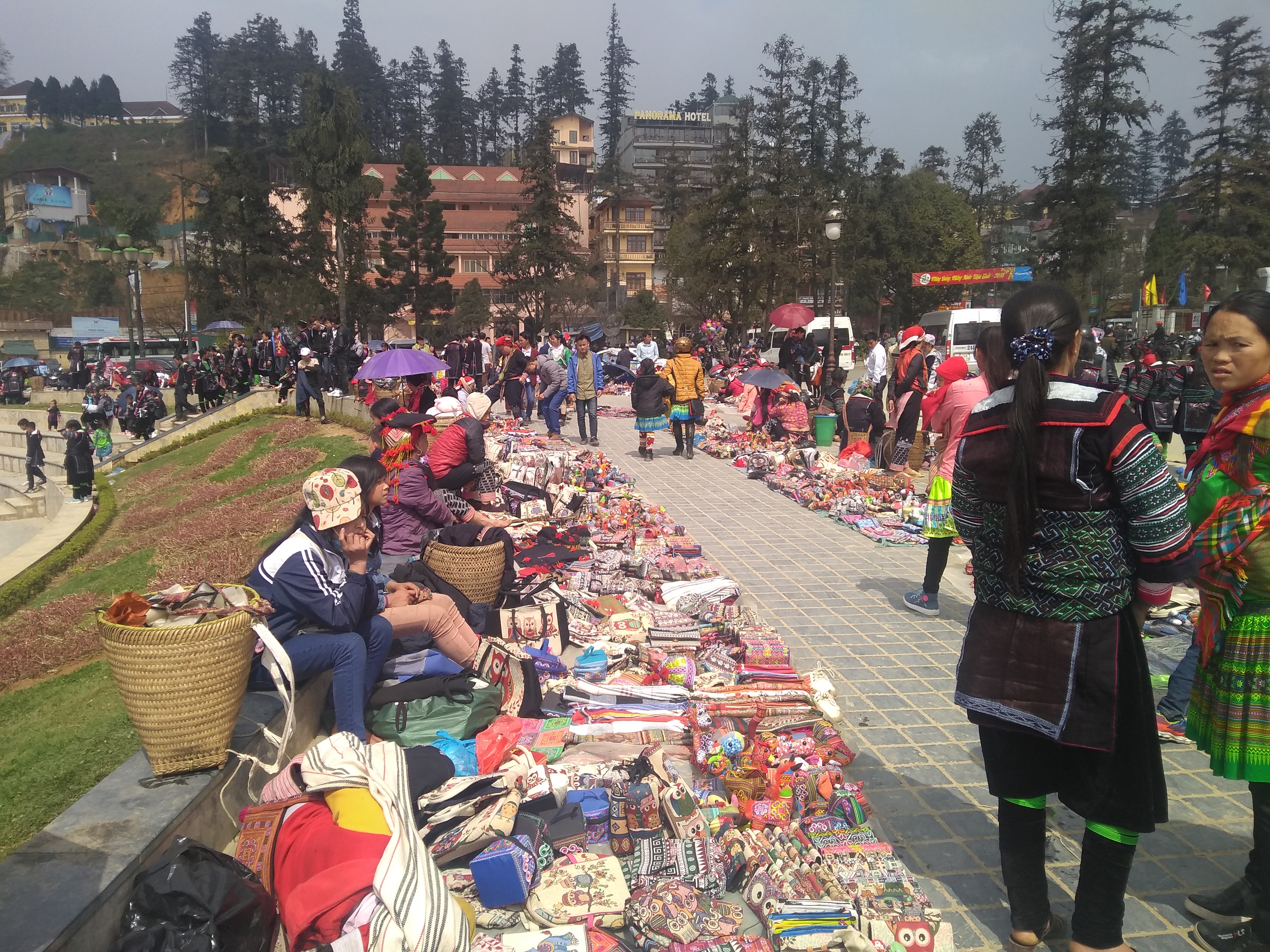
Sapa is mainly for trekking and visiting tribal villages and also to experience the tribal life in the beautiful rice terraces. All these can be covered within 2 to 3 days. Most of the tourist agents organise a day trip where a guide from the tribal community take you for a guided trekking. Surprisingly these guides will speak english and there will be no problem communicating with them. The day trips also include lunch and overall Sapa is worth a visit.
My next destination was Halong bay but you have to go to Hanoi and from there you have to change bus to Halong bay or you can stay back to relax from the long journey and then you can head to Halong bay. I stayed for two days again in Hanoi before heading to Halong bay as journey will be too long.
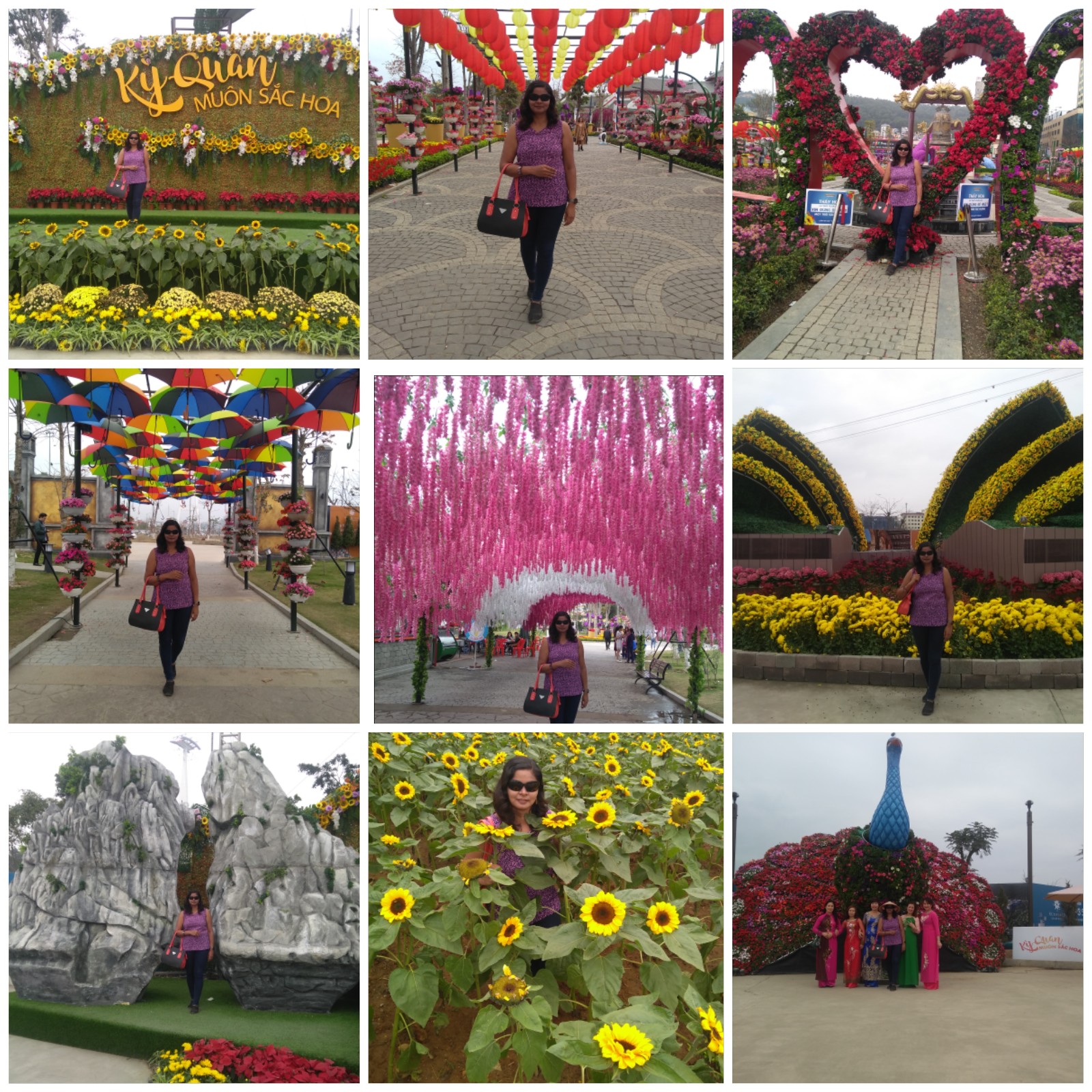
Tet celebration in Halong bay
Ha long bay:
Halong bay is around 174 Kms from Hanoi and you can travel by bus which will take around 4hrs. If budget is not a problem, an hour-long helicopter transfer is also available. Ha long bay is a beautiful natural wonder in northern Vietnam near the Chinese border. The bay is dotted with 1,600 limestone islands and islets and covers an area of over 1,500 sqkm. This extraordinary area was declared a UNESCO World Heritage Site in 1994. For many tourists, this place is like something right out of a movie.
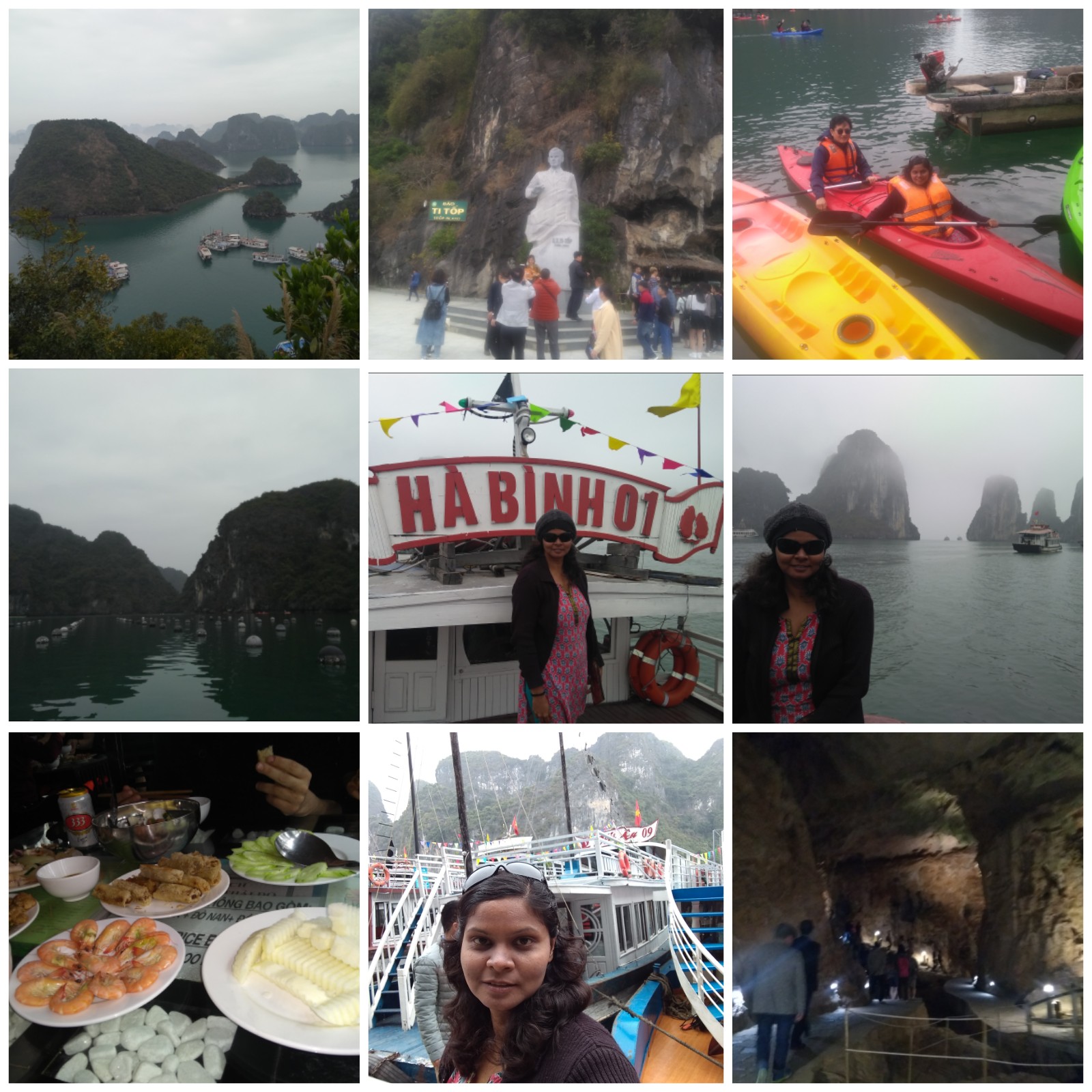
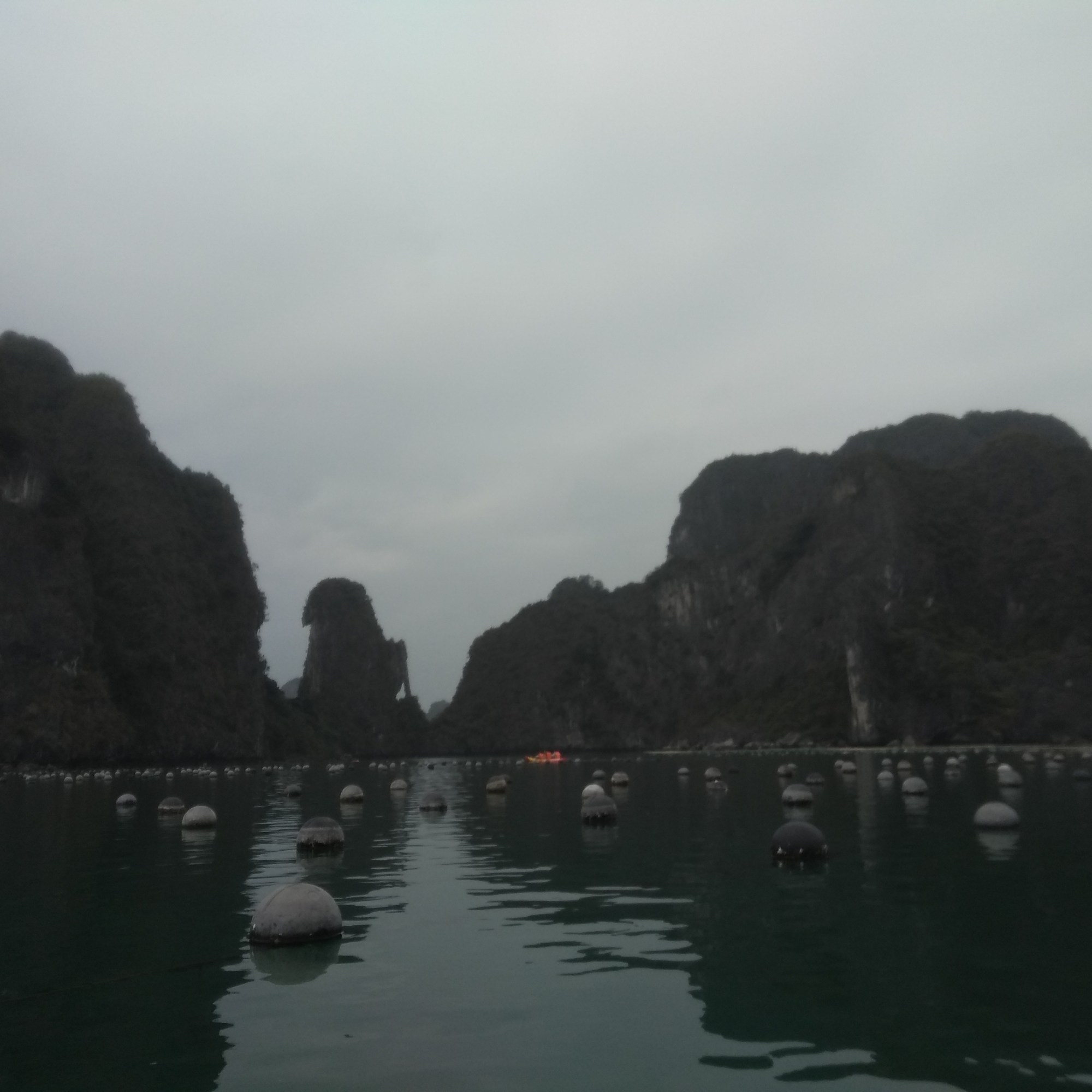
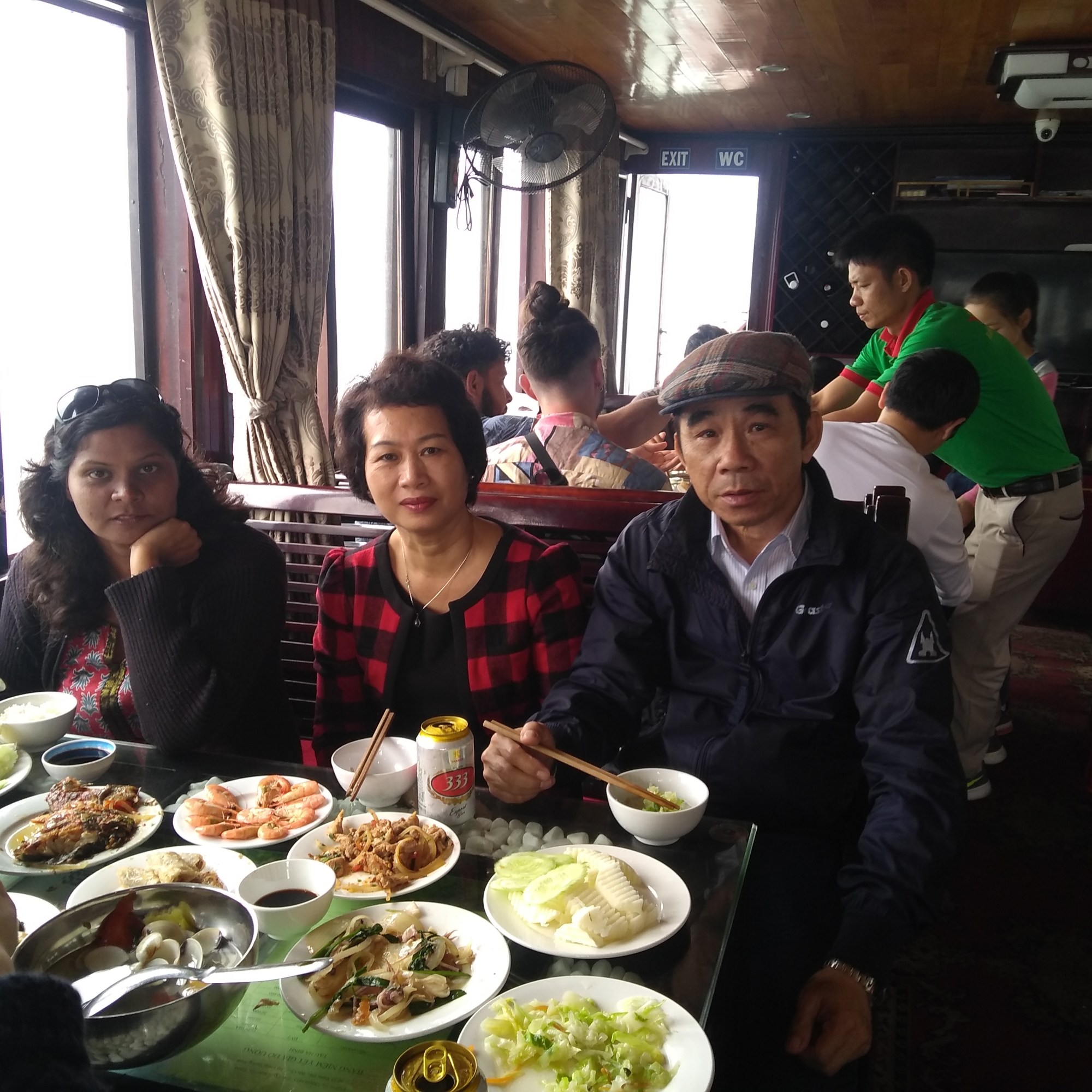
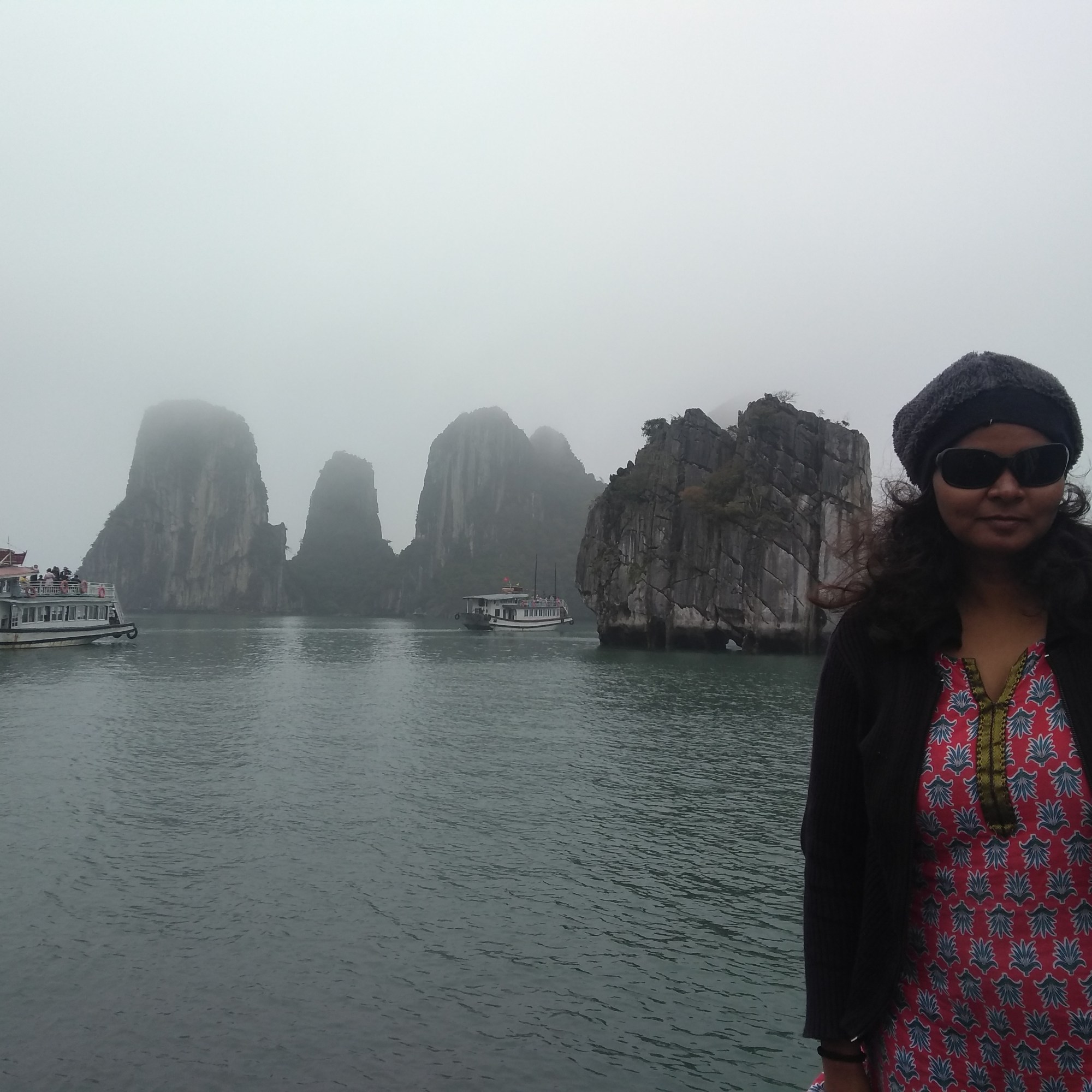
There will be a day trip or even 2 days or 3 days cruise trip to visit these islands and prices vary. It is advisable to book the cruise trip after reaching Ha long bay instead of booking it from different place as it will be much cheaper if you are booking Ha long bay instead of Hanoi. In these trips they take you to different islands where you can visit large caves, hike mountains and enjoy this amazing view. Lunch will also be included in the package. I think one whole day trip is enough but if your time and budget permits then you can choose 2 or 3 days cruise trip.
Hue:
Hue was my next city which was around 782 Kms and was 14 hrs journey from Ha long bay. You can even opt to travel by train but I travelled by sleeper bus which I felt was comfortable and also economical and moreover the sleeper bus comes with toilets. Hue is a city in a central Vietnam and was a national captial from 1802 to 1945 ruled by Nguyen Dynasty emperors. Hue has many pagodas, perfume river and also famous for its cuisine.
You can visit Thien Mu pagoda, Tu hieu pagoda and the Imperial citadel. And three days is enough to explore the city.
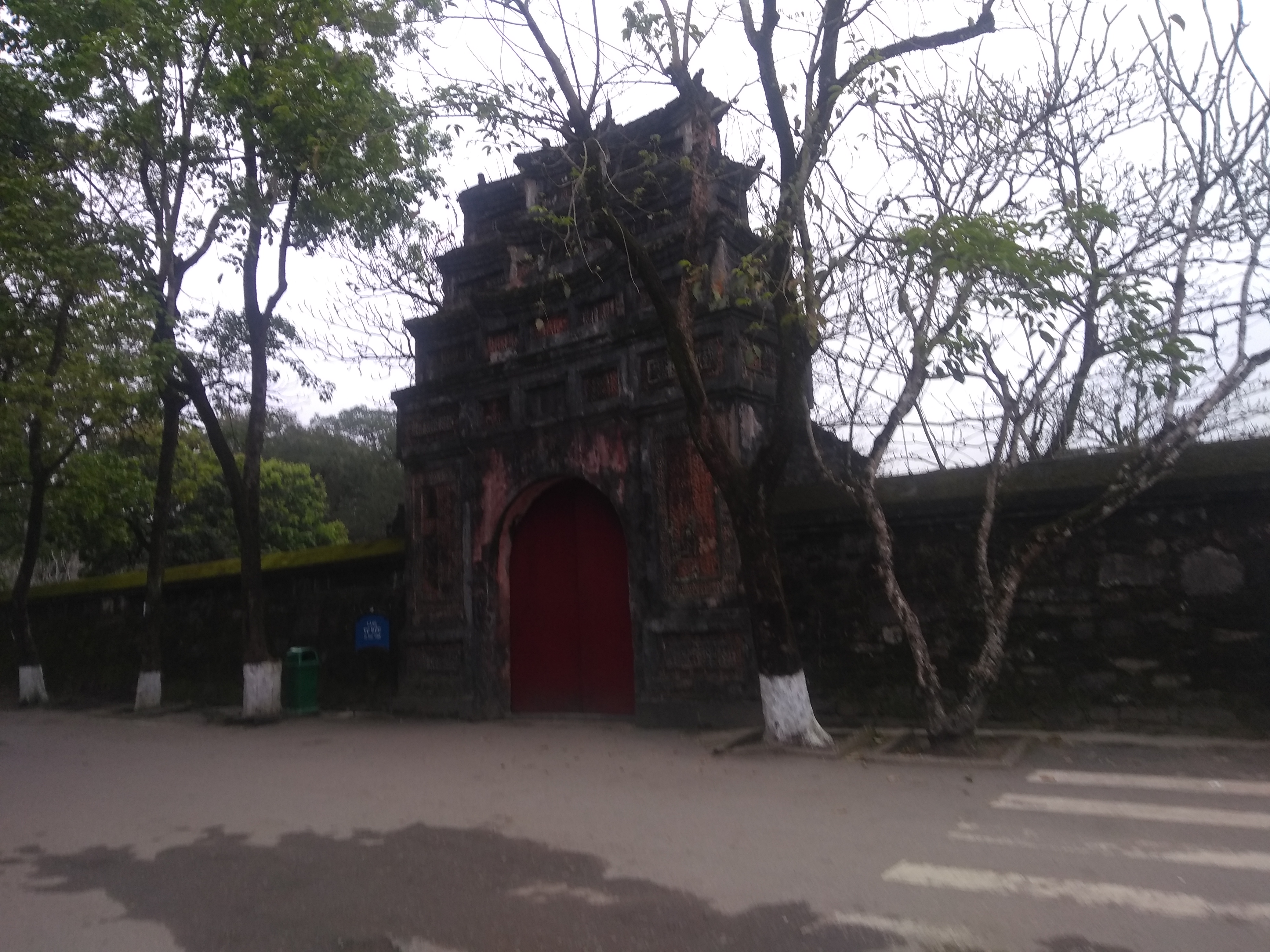
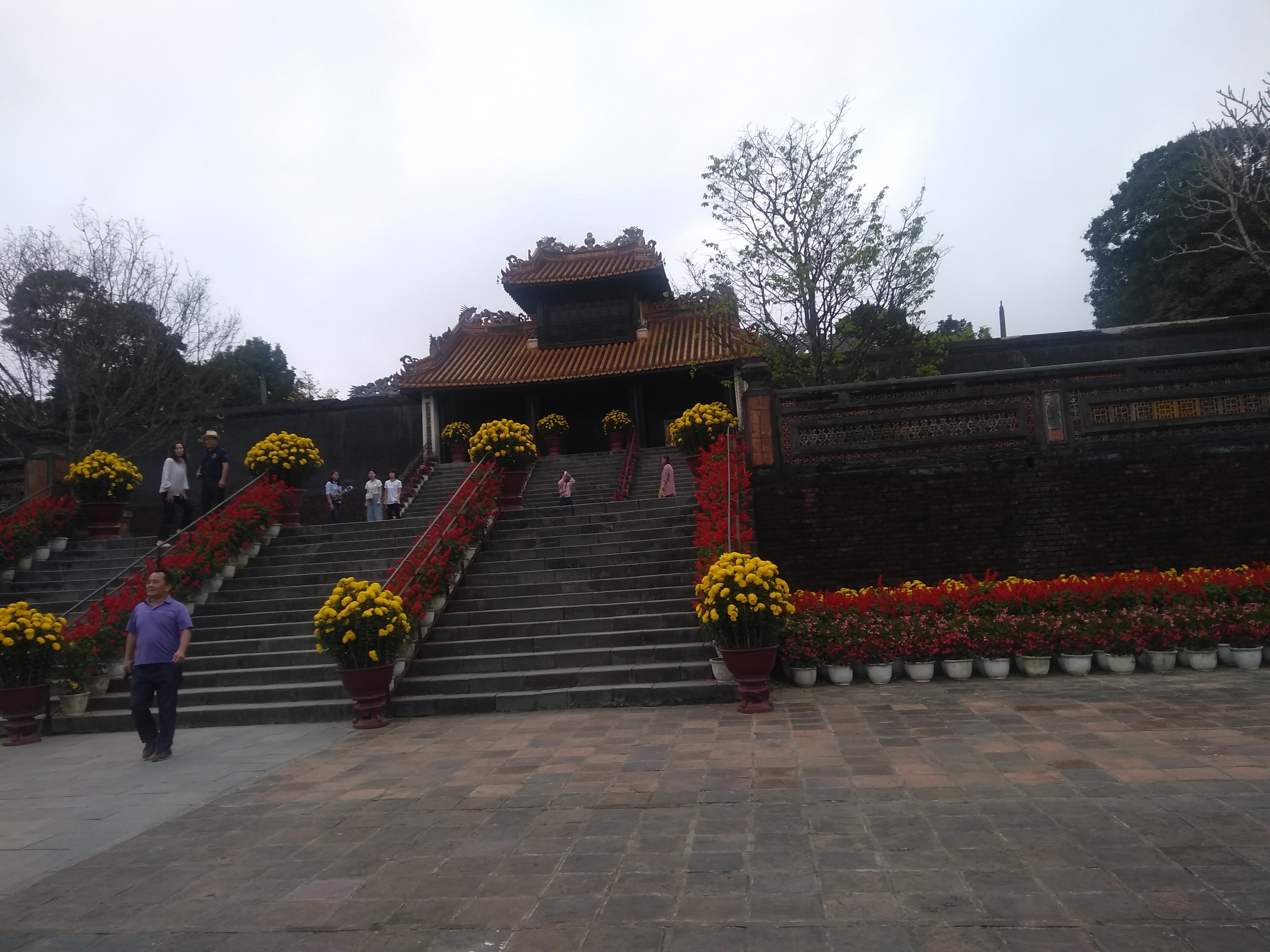
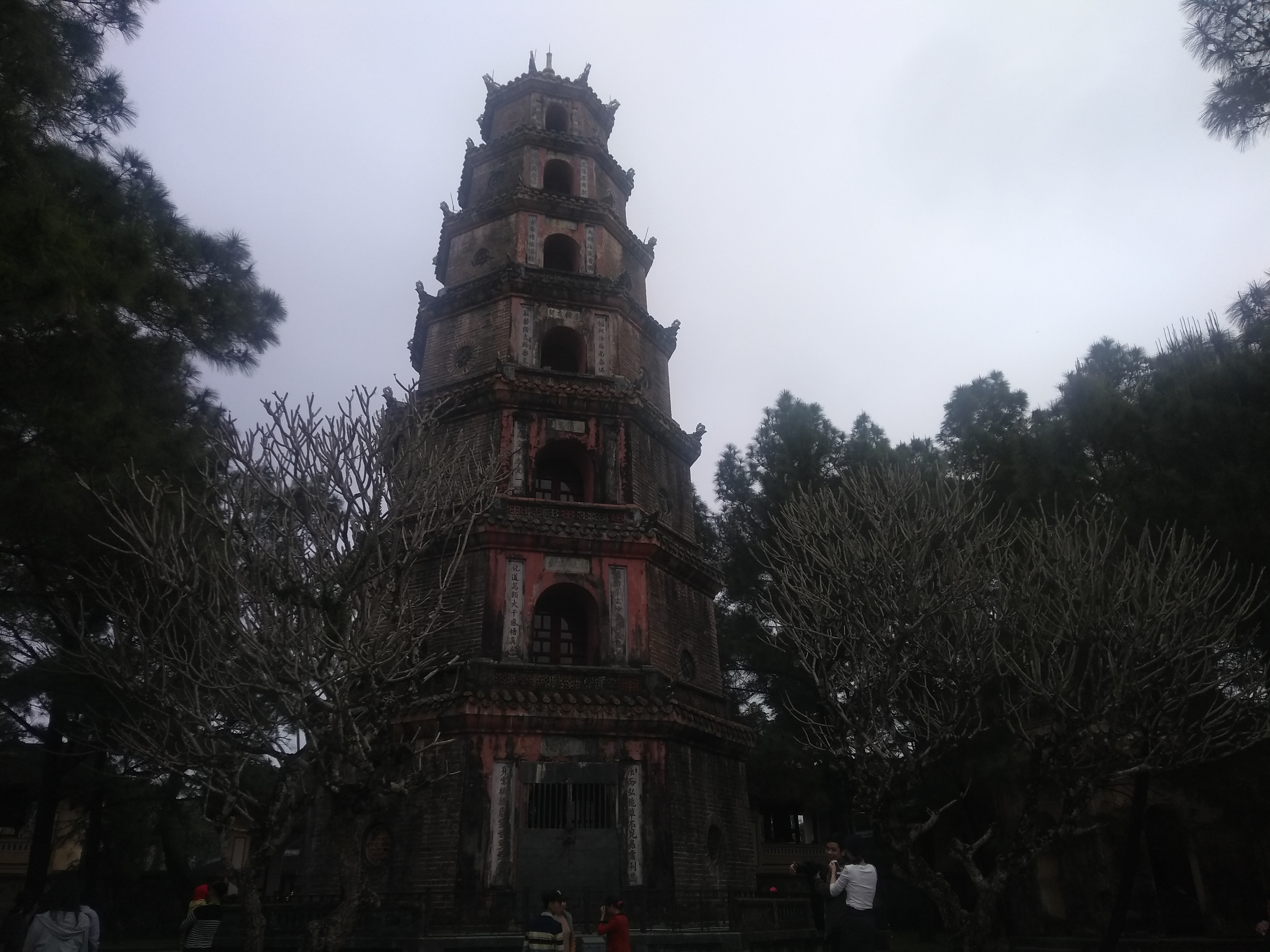
Thien Mu pagoda 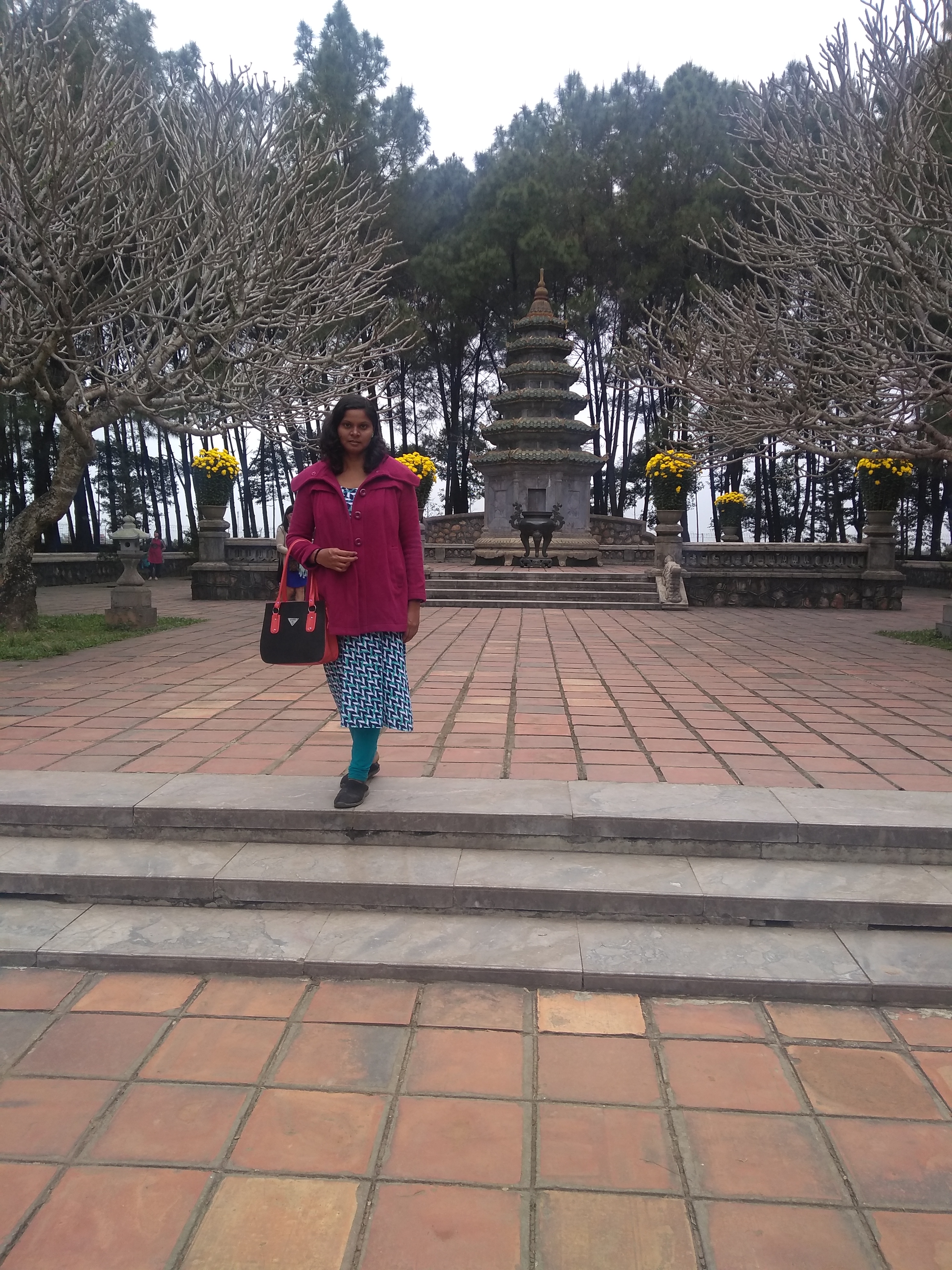
Tu hieu Pagoda 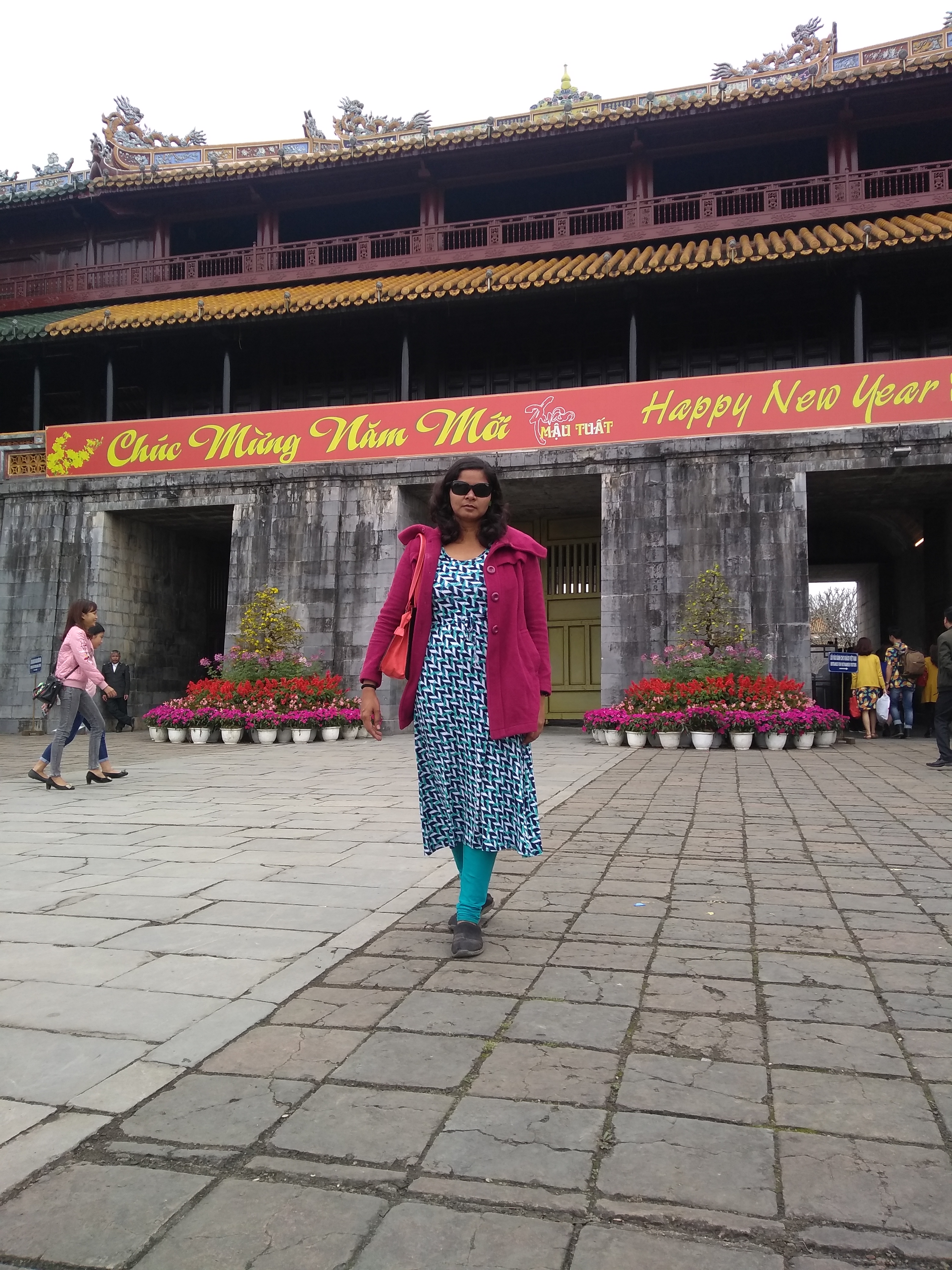
Imperial citadel
Danang:
My next city was Danang which was 93 kms from Hue and 2 hrs by bus. Danang is one of my favourite cities in Vietnam known for its sandy beaches and French colonial port. The city centre was so vibrant due to Tet celebration and this city has a big lake in the city centre with dragon bridge and a long walk in the lakeside makes your evening so memorable and refreshing. It is a nice place for the locals to hangout or for the joggers.
The main sightseeing places are marble mountains, Phap Lam pagoda, Da nang cathedral, My khe beach, Dragon bridge.
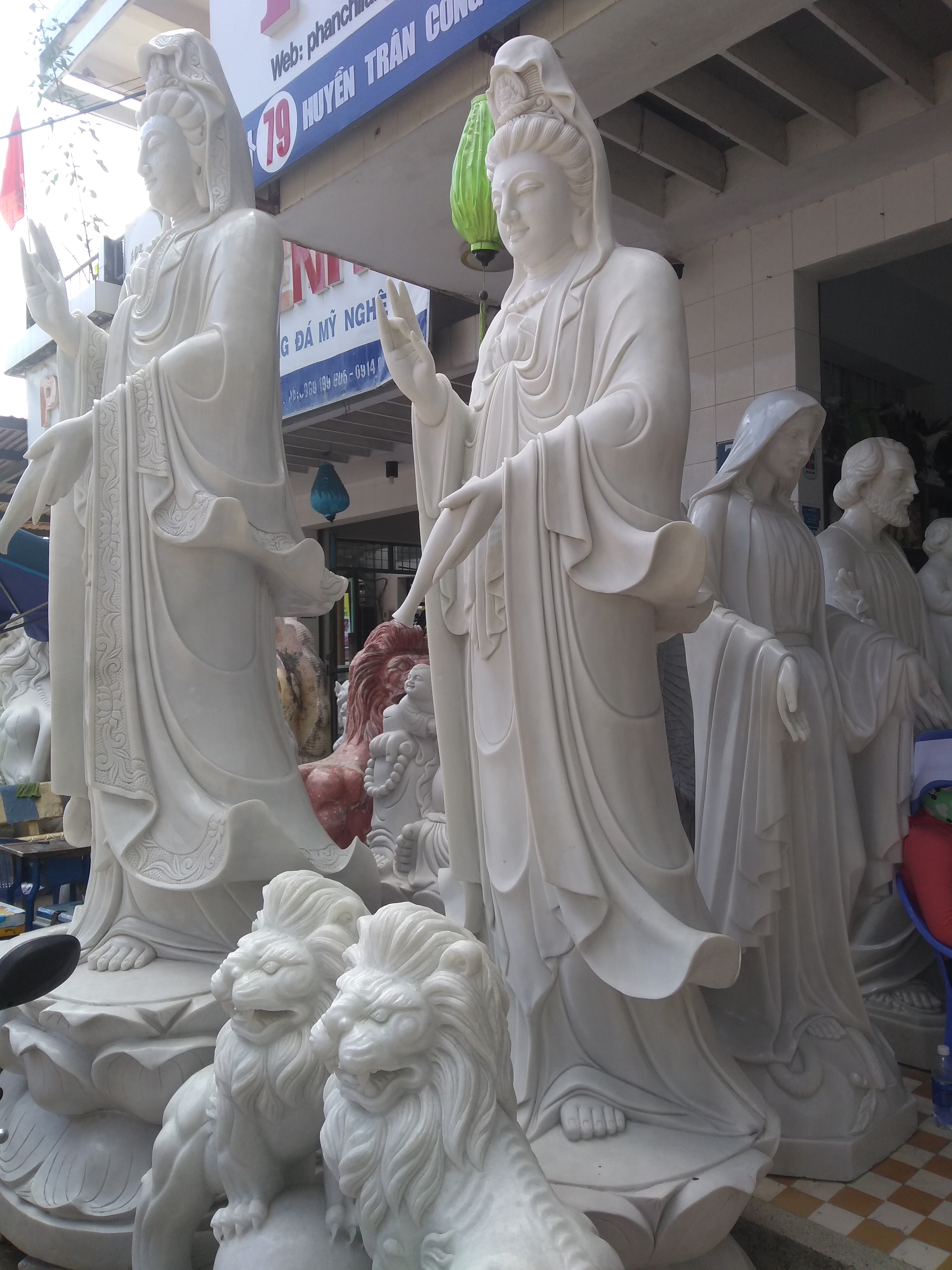
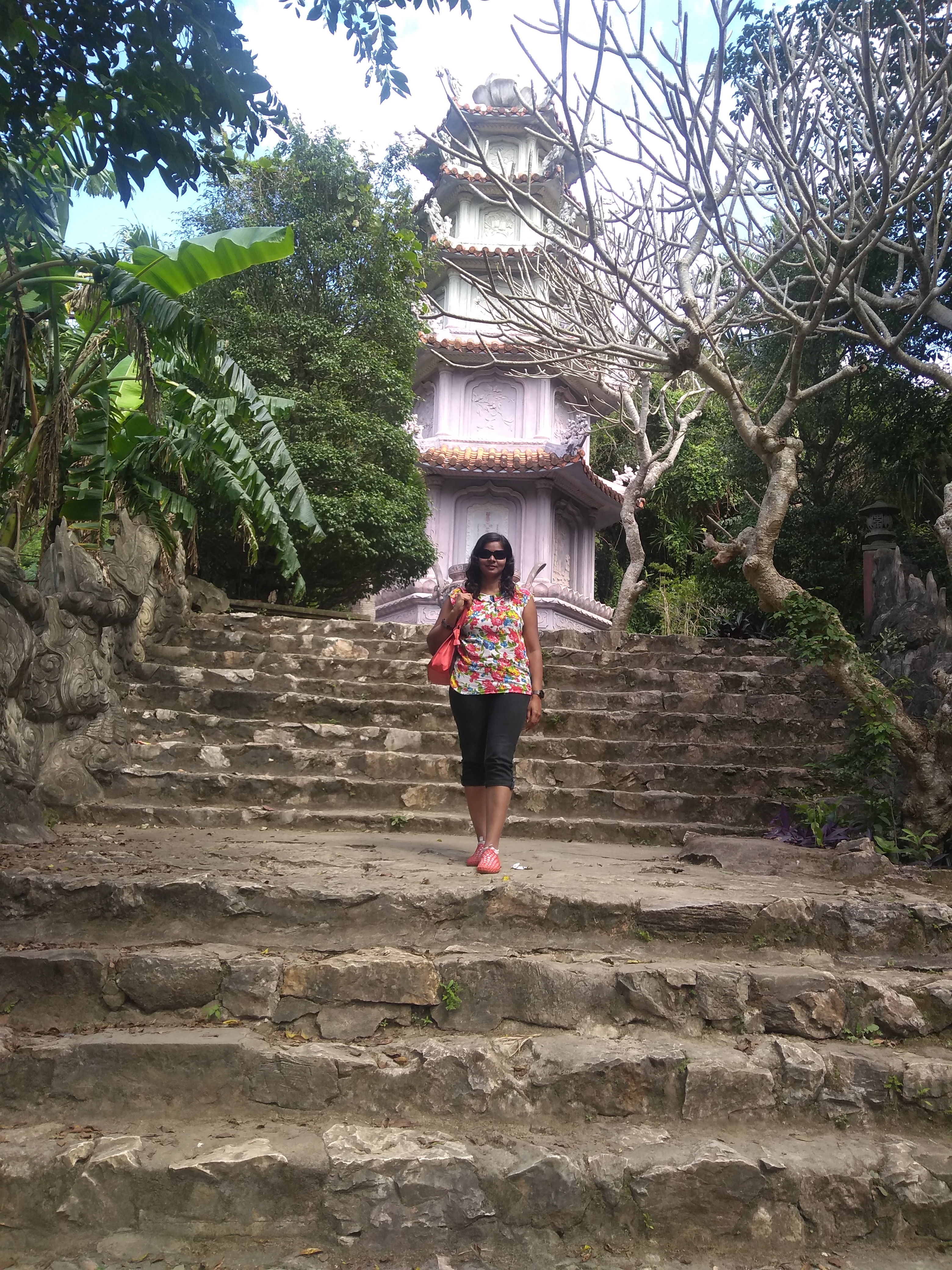
Marble mountain 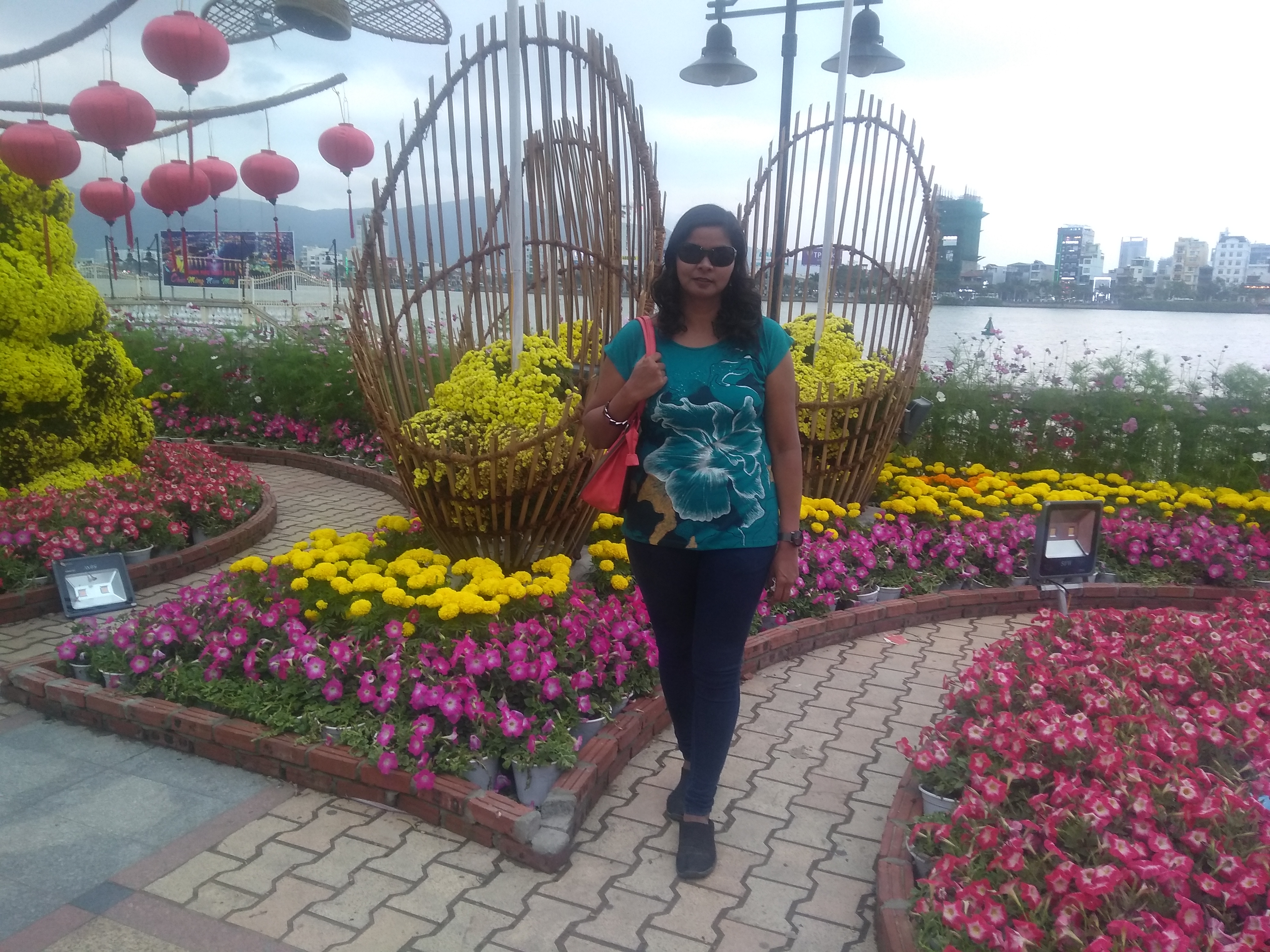
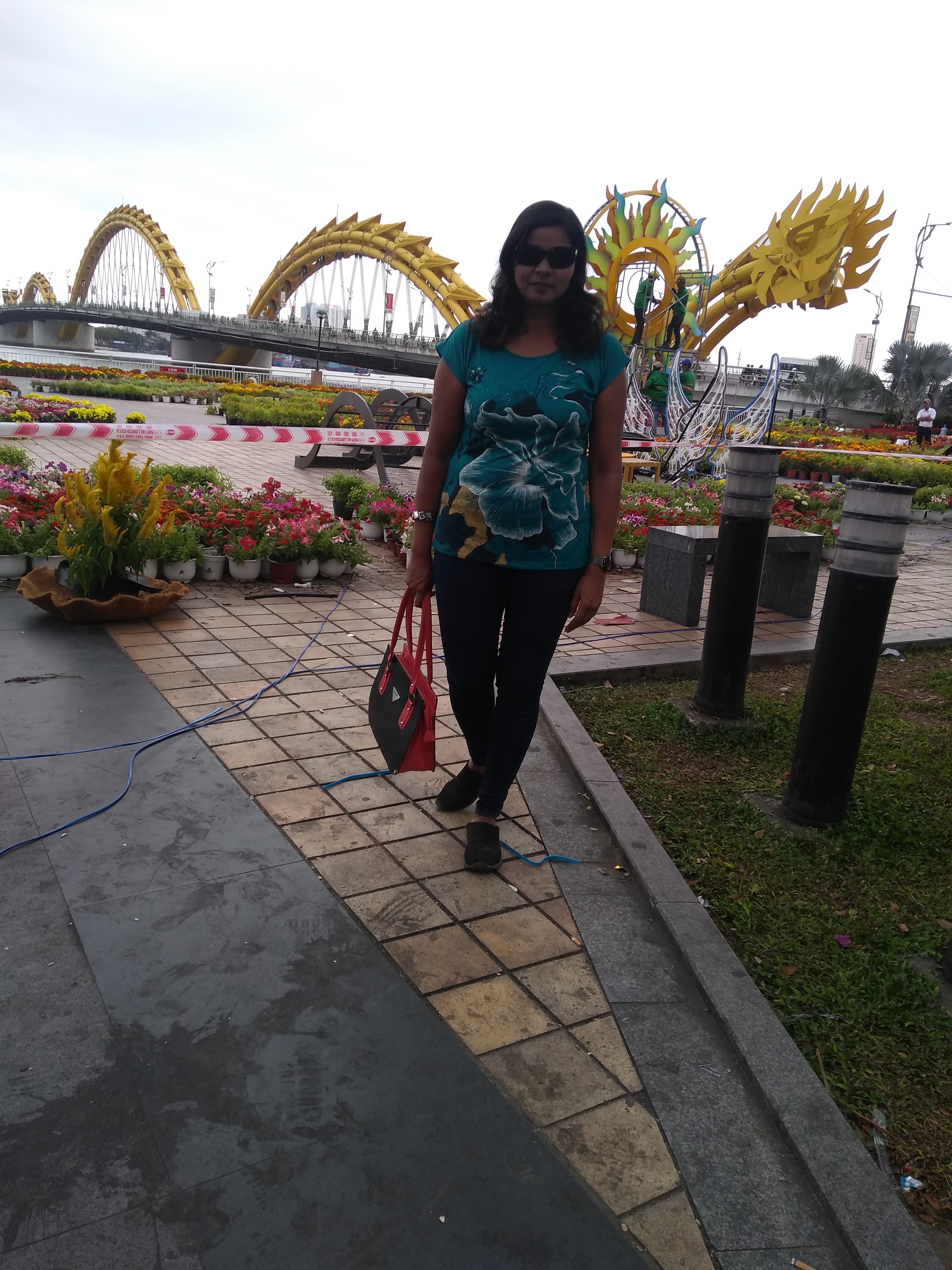
Dragon bridge 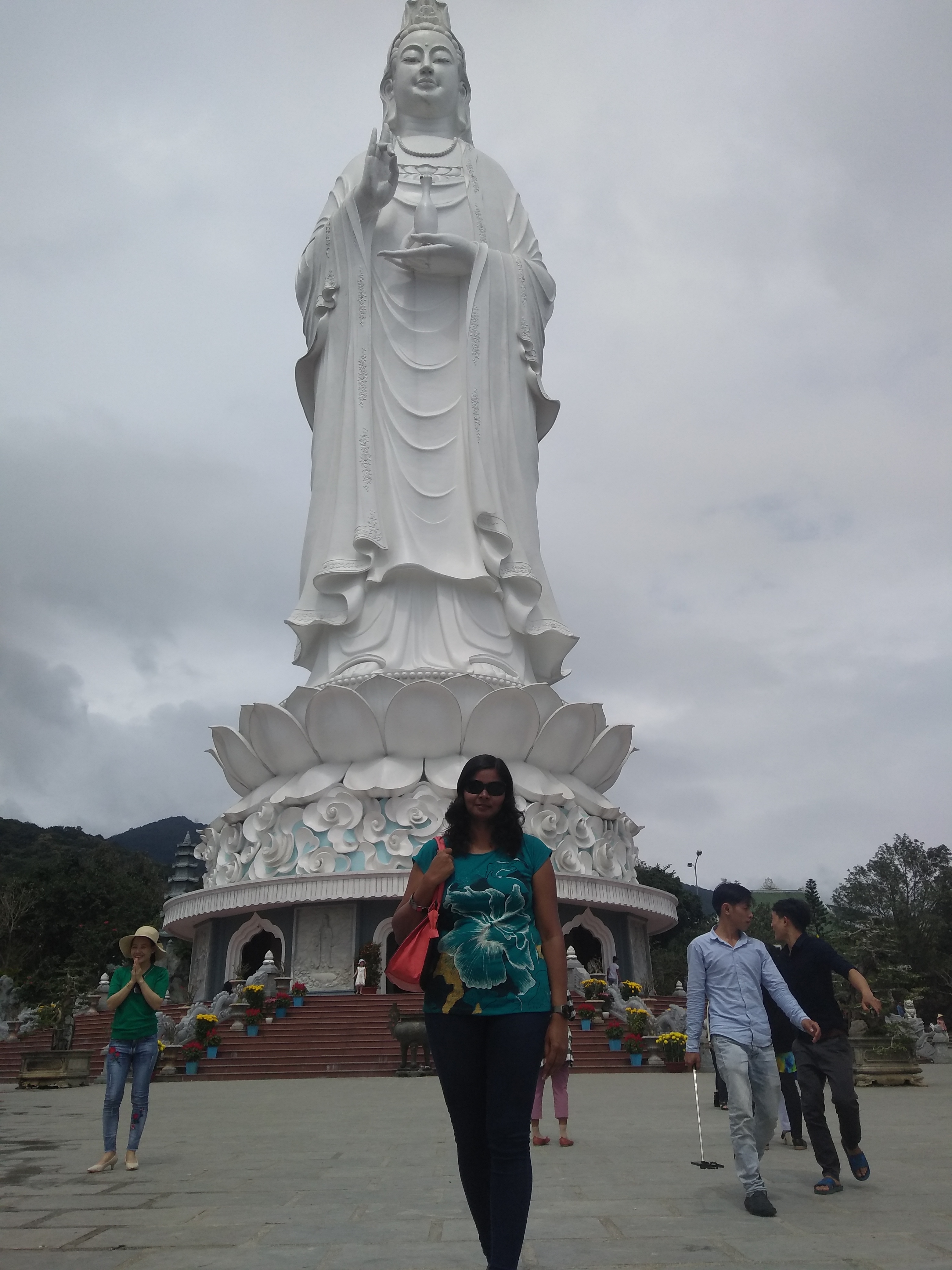
Phap Lam Pagoda 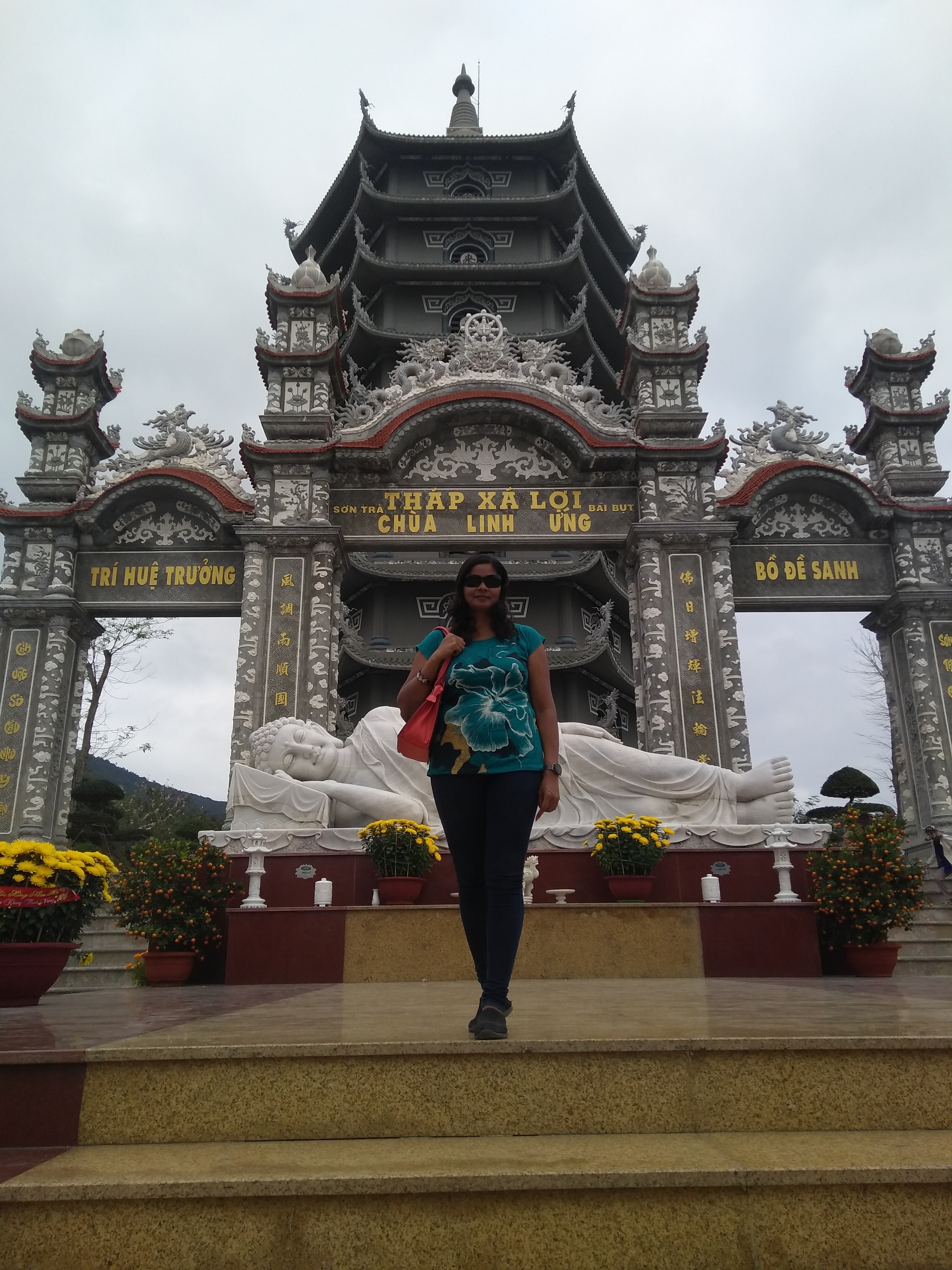
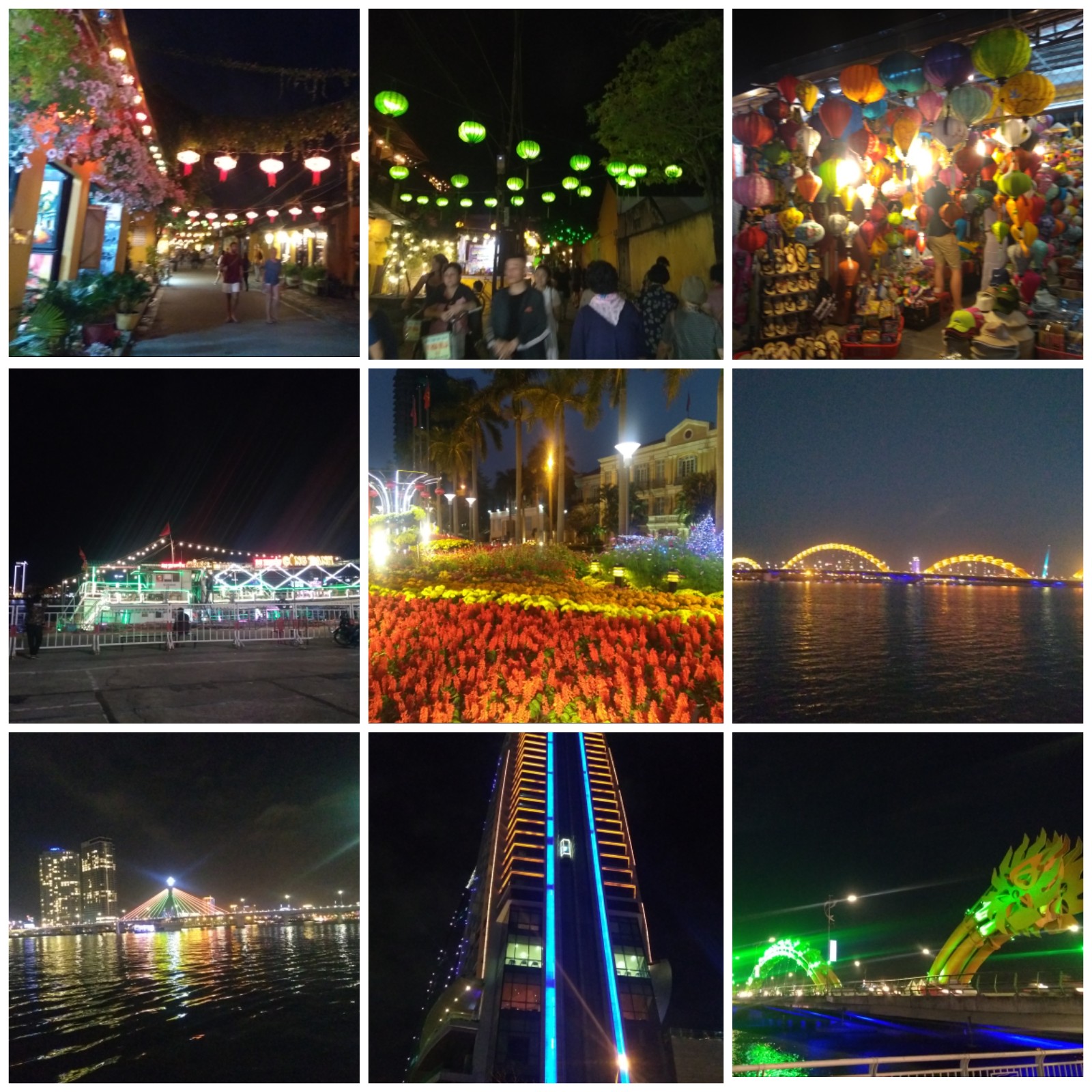
Tet celebrations in Danang
Hoi an
My next city was Hoi an which was just 29 kms from Danang. There are so many buses from Danang which will take 45 mins. It is the most well-preserved ancient town in the central Vietnam cut through with canals. Its a mix of eras and styles from wooden Chinese shophouses and temples to colorful French colonial buildings, ornate Vietnamese tube houses and the iconic Japanese Covered Bridge with its pagoda. The town comprises a well-preserved complex of 1,107 timber frame buildings, with brick or wooden walls, which include architectural monuments, commercial and domestic vernacular structures, notably an open market and a ferry quay, and religious buildings such as pagodas and family cult houses. There is also the fine wooden Japanese bridge, dating from the 18th century which is the landmark of this city. Hoi an is also popular for its numerous tailor shops. Visit a shop, pick out your favorite fabric, usually silk, and by the next day a hand tailored suit will be awaiting for pick up. I did not purchase any suits and I did not buy much of anything in Hoi An, but I did enjoy window shopping.

Japanese covered bridge in Hoi an
In Hoi An, there is a law stating that every shop must hang lanterns from their facade. As the sun sets, the lanterns turn on, lighting up the town in the warm glow of yellow, red, and green light. There is also An Bang beach in the city and also rice fields to explore. Hoi an is popularly known as “lanterns city”.
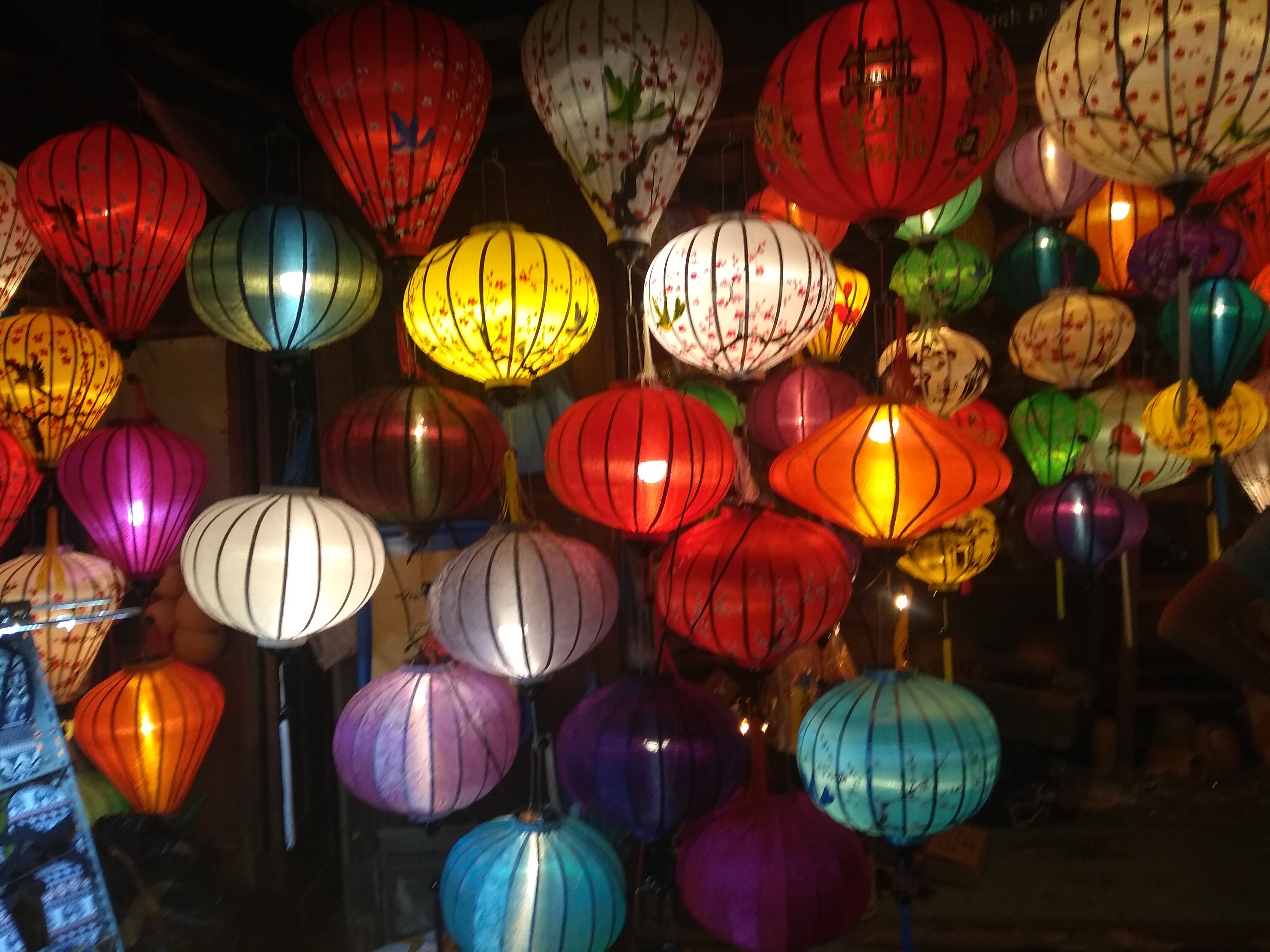

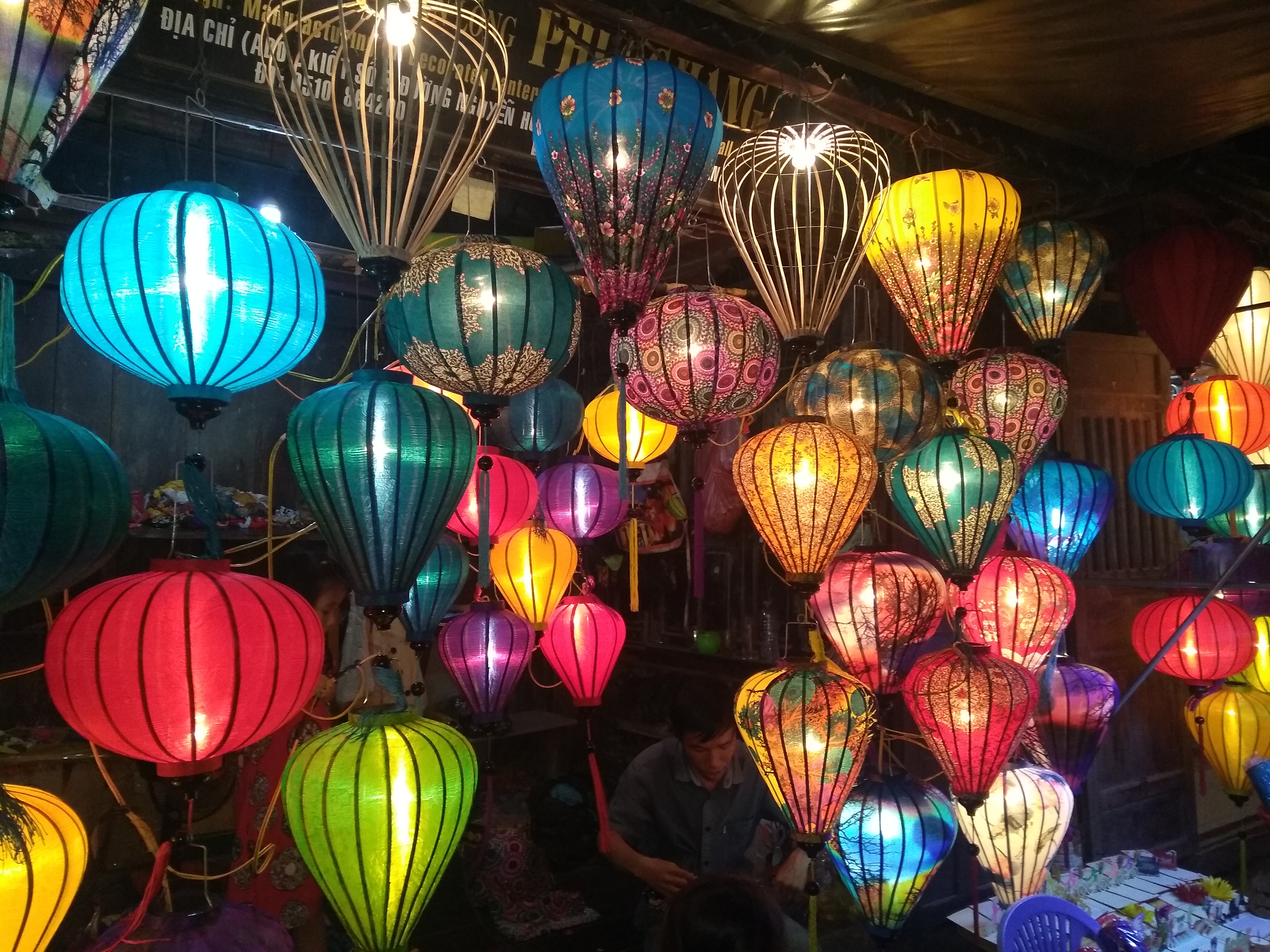
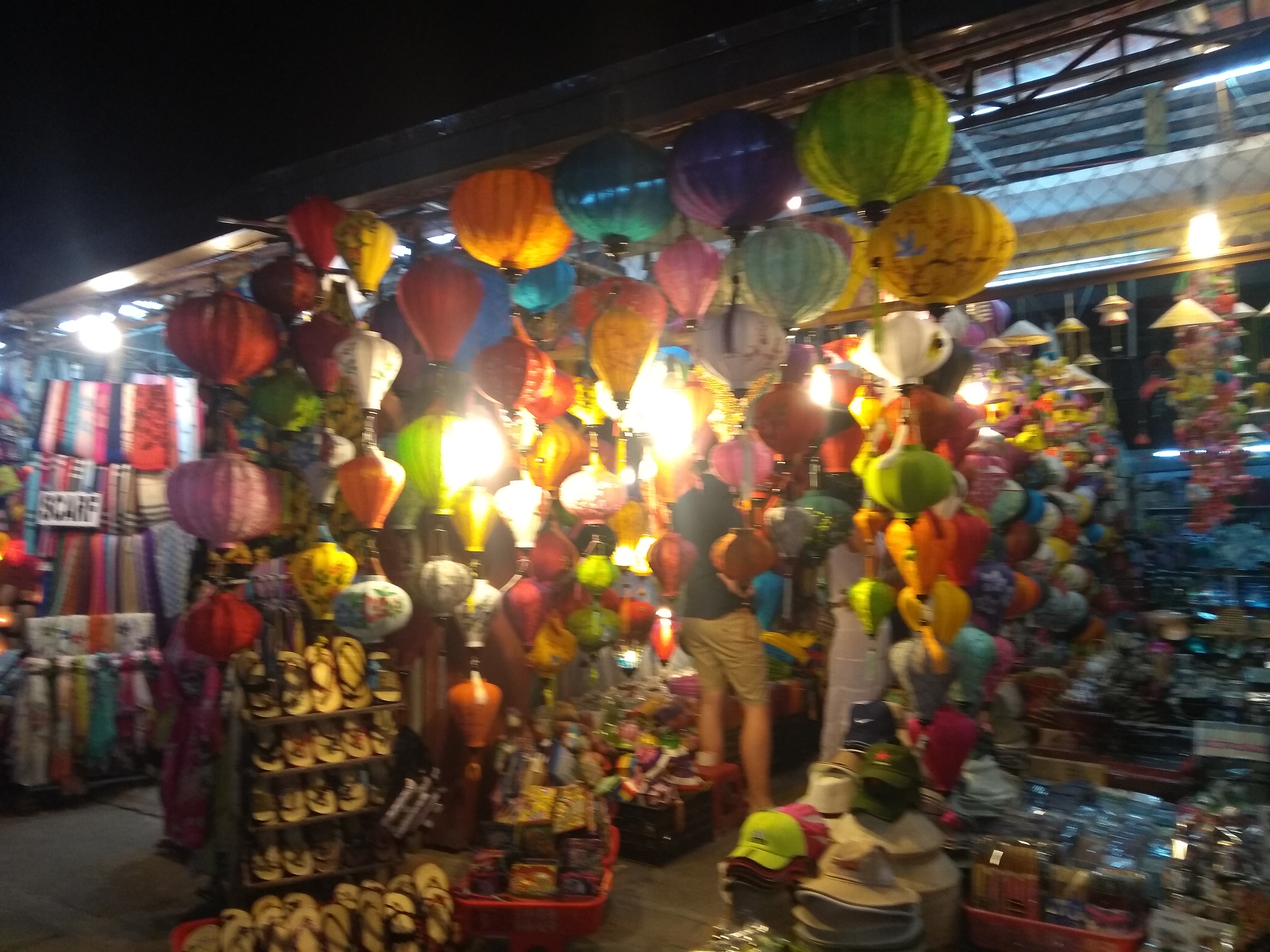
City of Lanterns, Hoi an
Nha trang:
The distance between Hoi an to Nha trang was 508 kms and there are lot of bus companies which run sleeper bus and can make a overnight journey. Nha trang is mainly famous for its amazing beaches and pagodas like Long son pagoda and Ponagar Tower.
Po Nagar is a Cham temple tower founded sometime before 781 C.E. and located in the medieval principality of Kauthara, near modern Nha Trang in Vietnam.
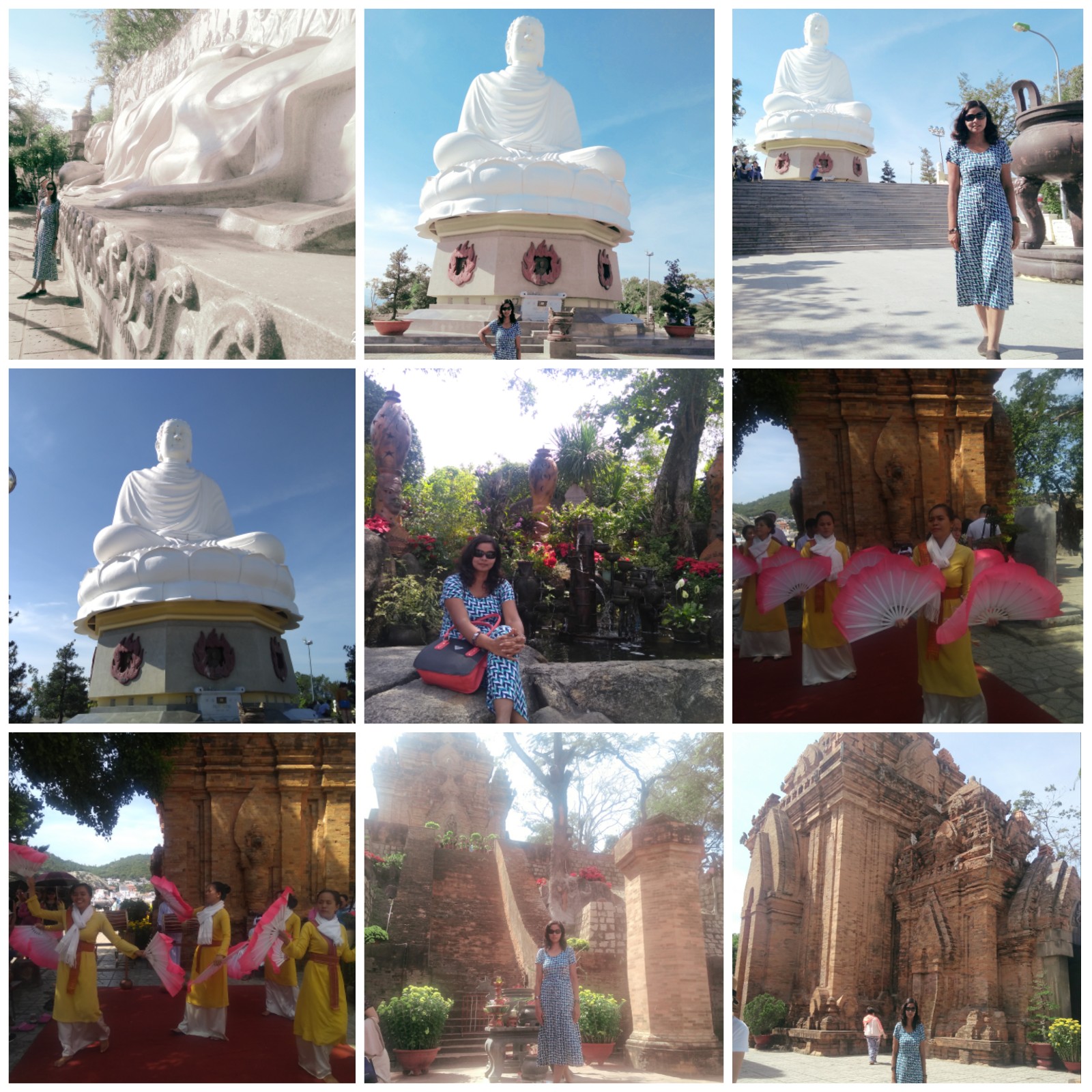
Long Son Pagoda is a Buddhist temple in the city of Nha Trang on South Central Coast of Vietnam. It is regarded as one of the main sites in the city, along with Hai Duc Temple.
Dalat:
Dalat is a city centered around a lake and golf course, and surrounded by hills, pine forests, lakes and waterfalls. Known as the “City of Eternal Spring” for its distinctive temperate climate, Dalat was developed as a resort by the French in the early 1900s, and many reminders of its colonial heritage remain.
The hill town of Da Lat has long been the most popular location in the region for getaway holidays since French colonial times. Situated on a plateau 1,500 metres above sea level, this retreat town offers a good change of atmosphere with a refreshingly cool climate while other cities in Vietnam can be very hot and humid especially during summer. The city has a huge lake and lakeside walk in the evening can be so refreshing after a hectic day. The Lam Vien Square and Doha cafe opposite lake is a great place to hang out among the locals.
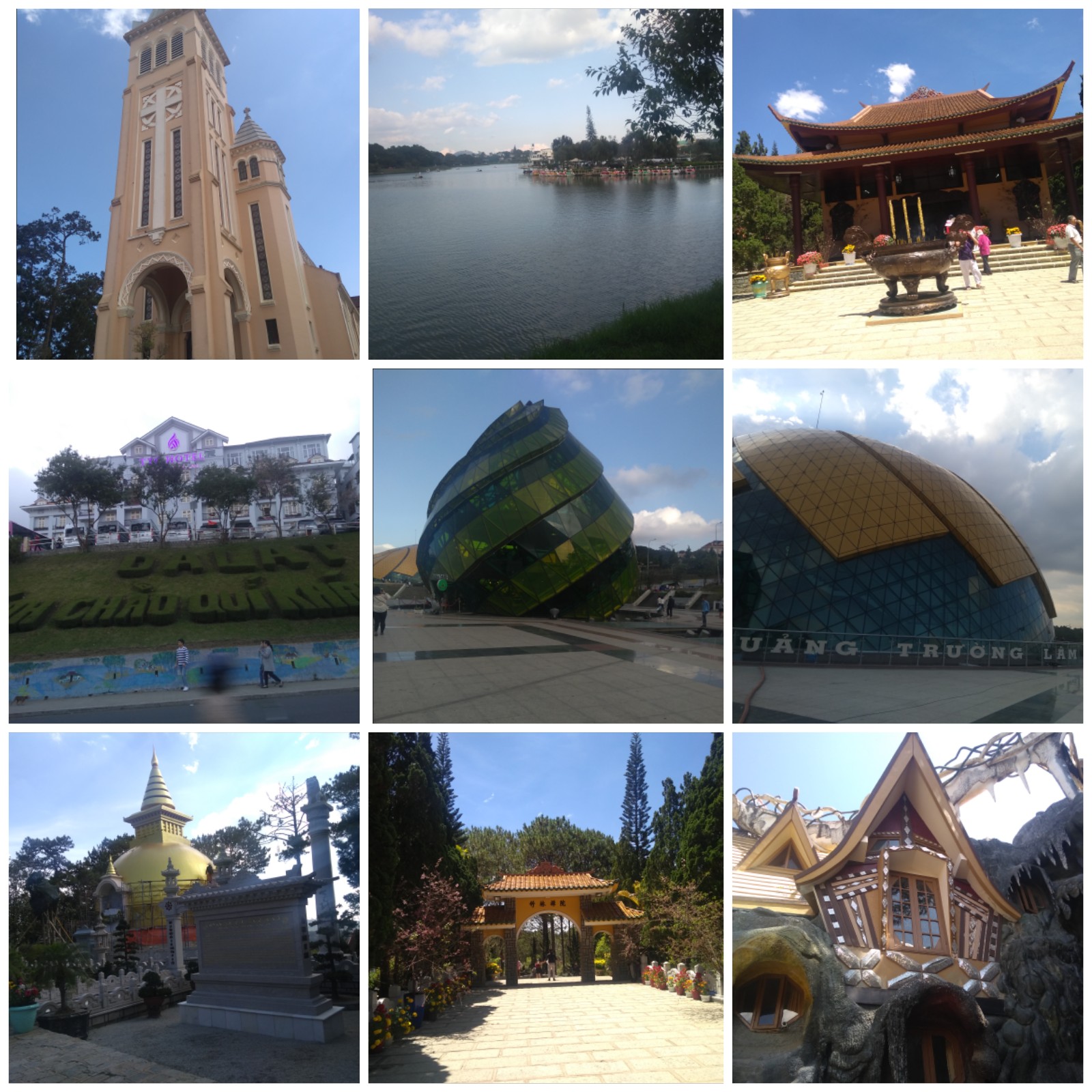
Dalat
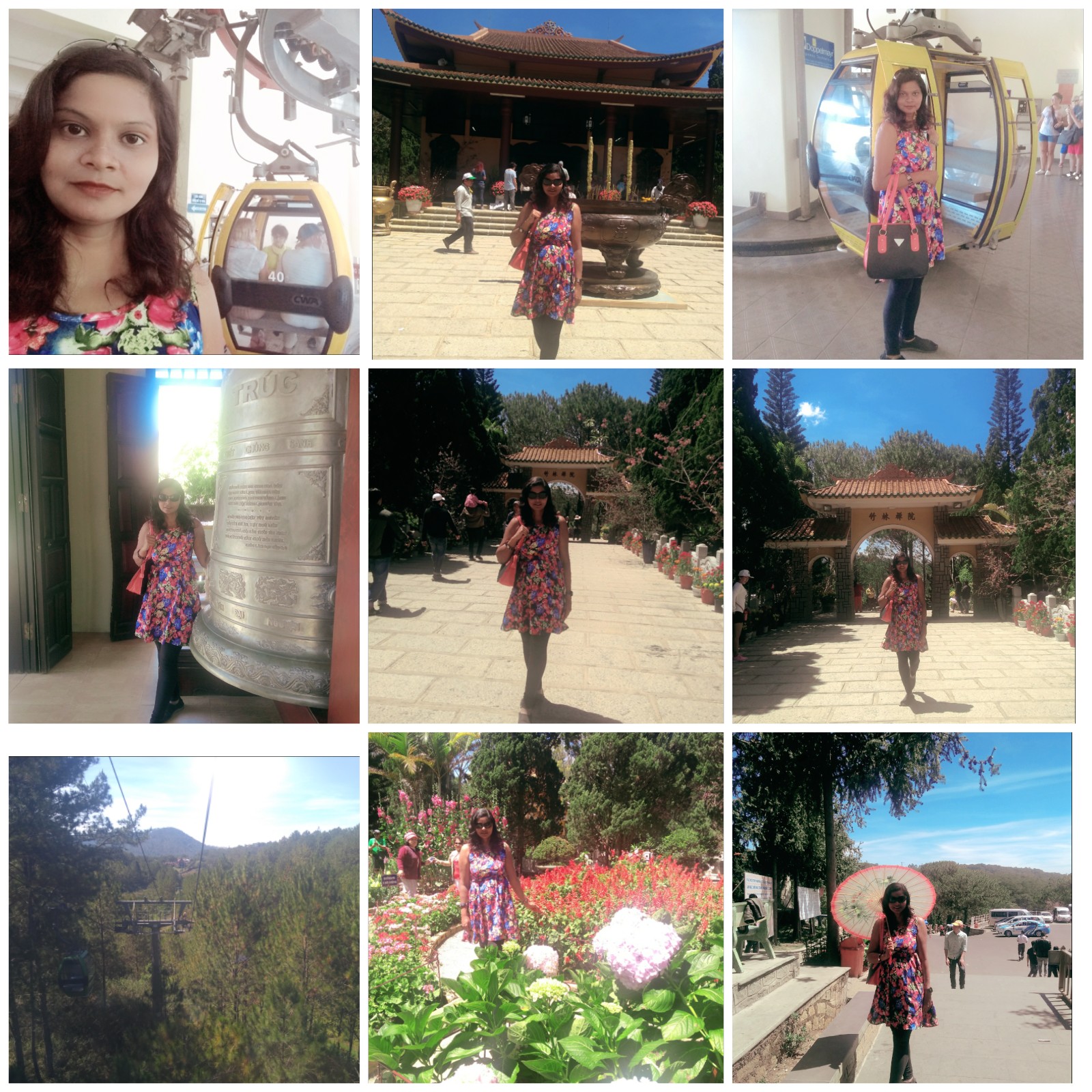
The main tourist place in Dalat is Truc Lam Pagoda. The best way to reach Truc Lam is via the gondola cable car from Robin Hill. The cable car ride spans for 1.6 miles (2.6km) from Robin Hill to Phoenix Summit, the location of Truc Lam Monastery. The ride is fun and incredibly scenic.
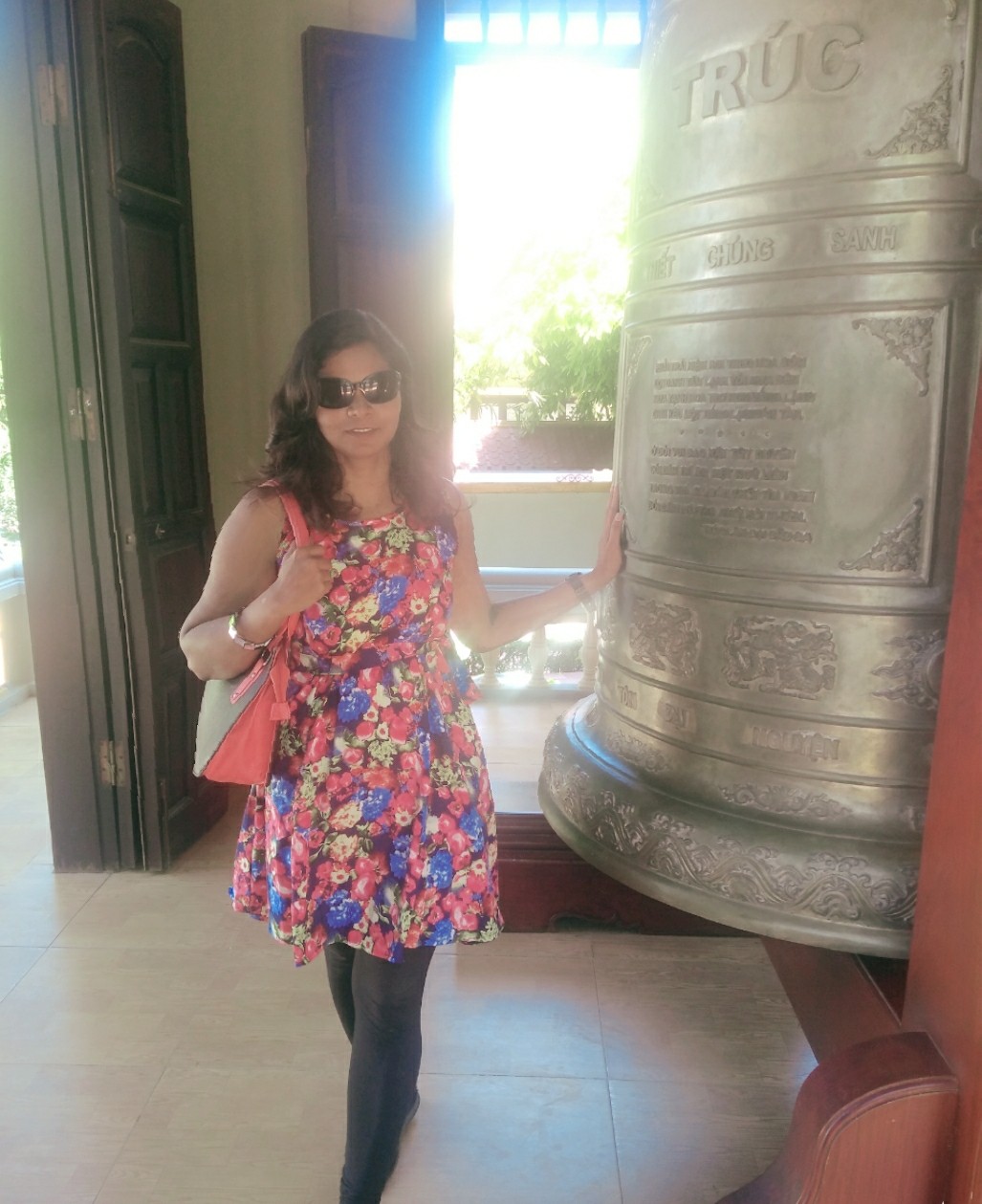
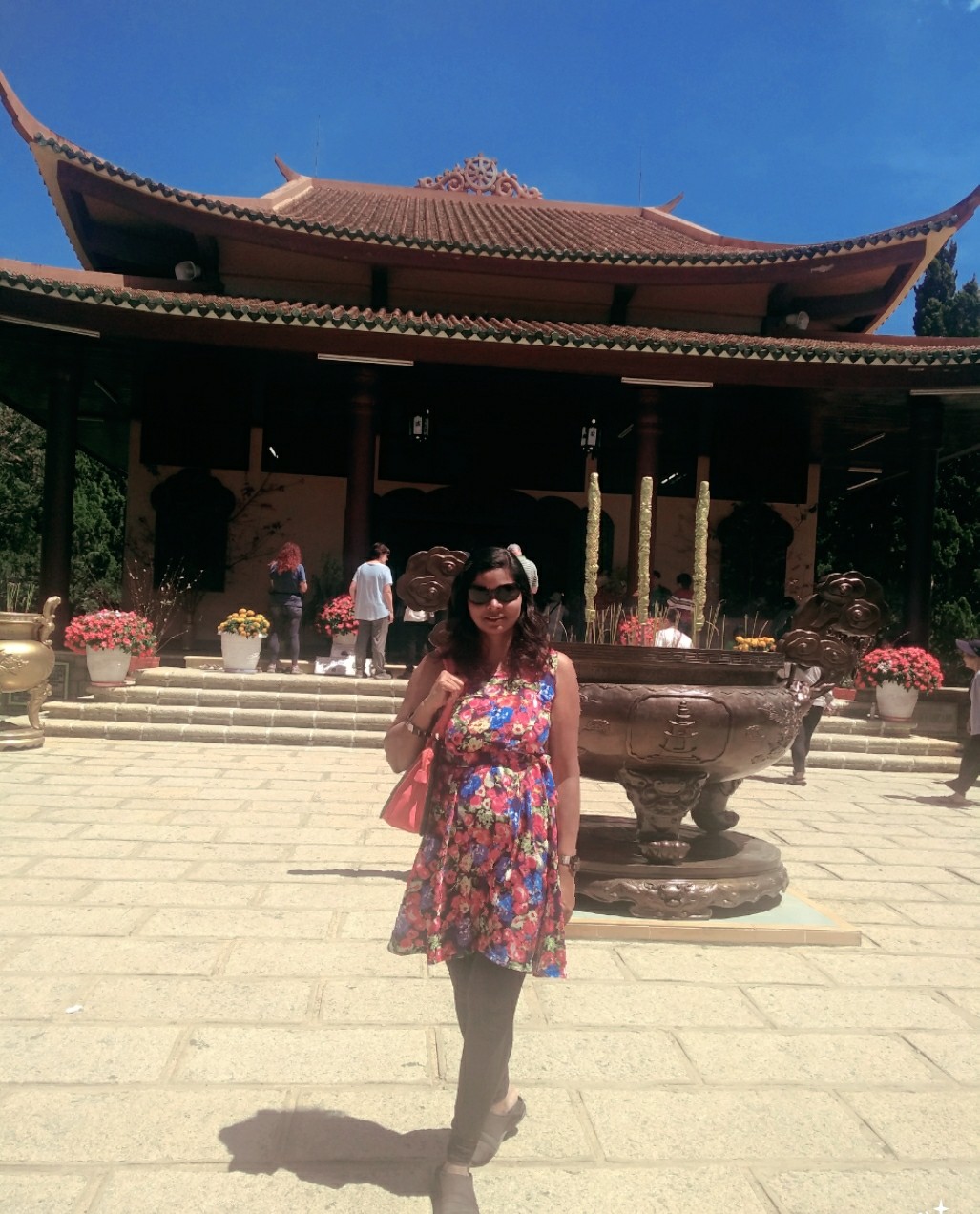
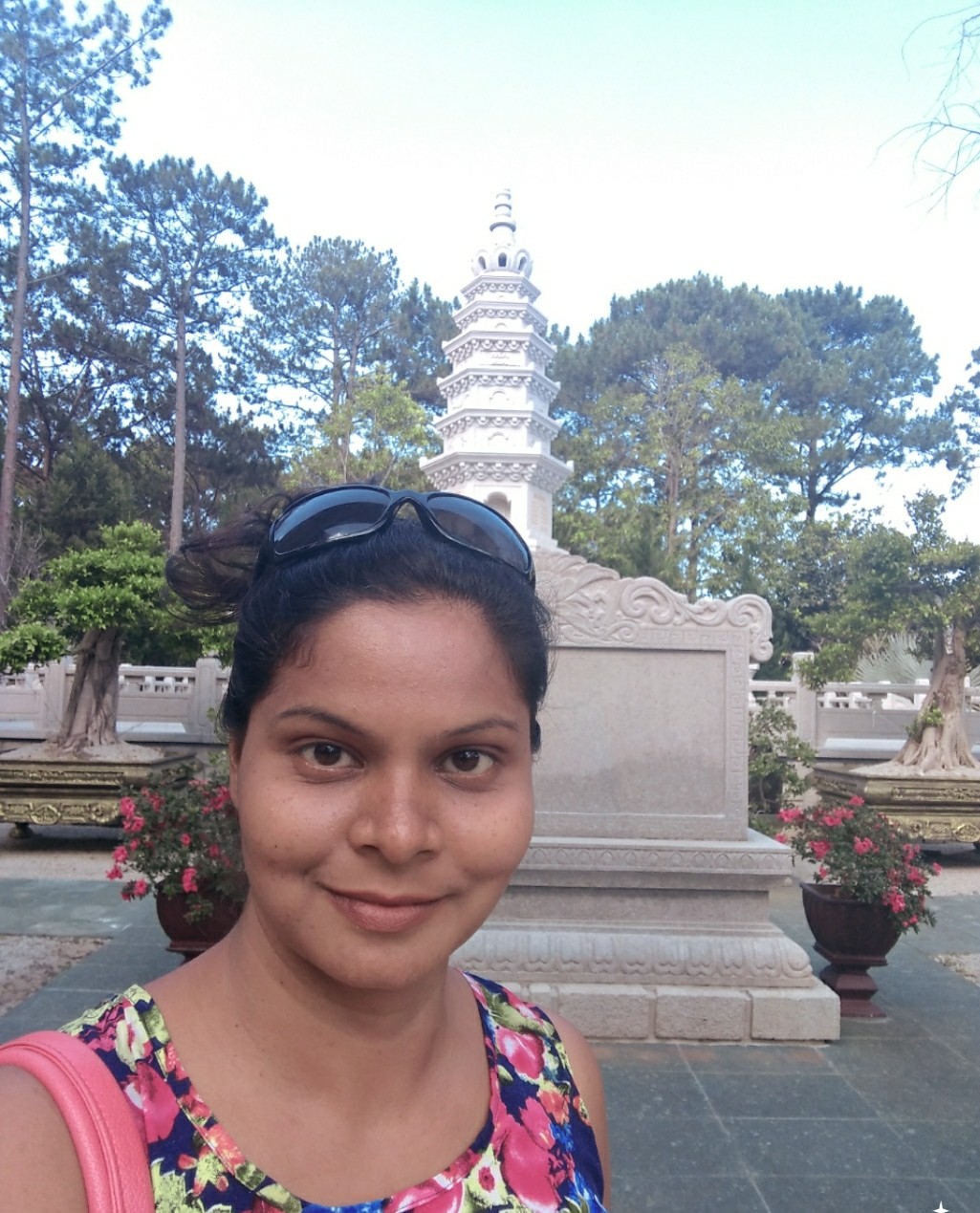
Truck lam pagoda 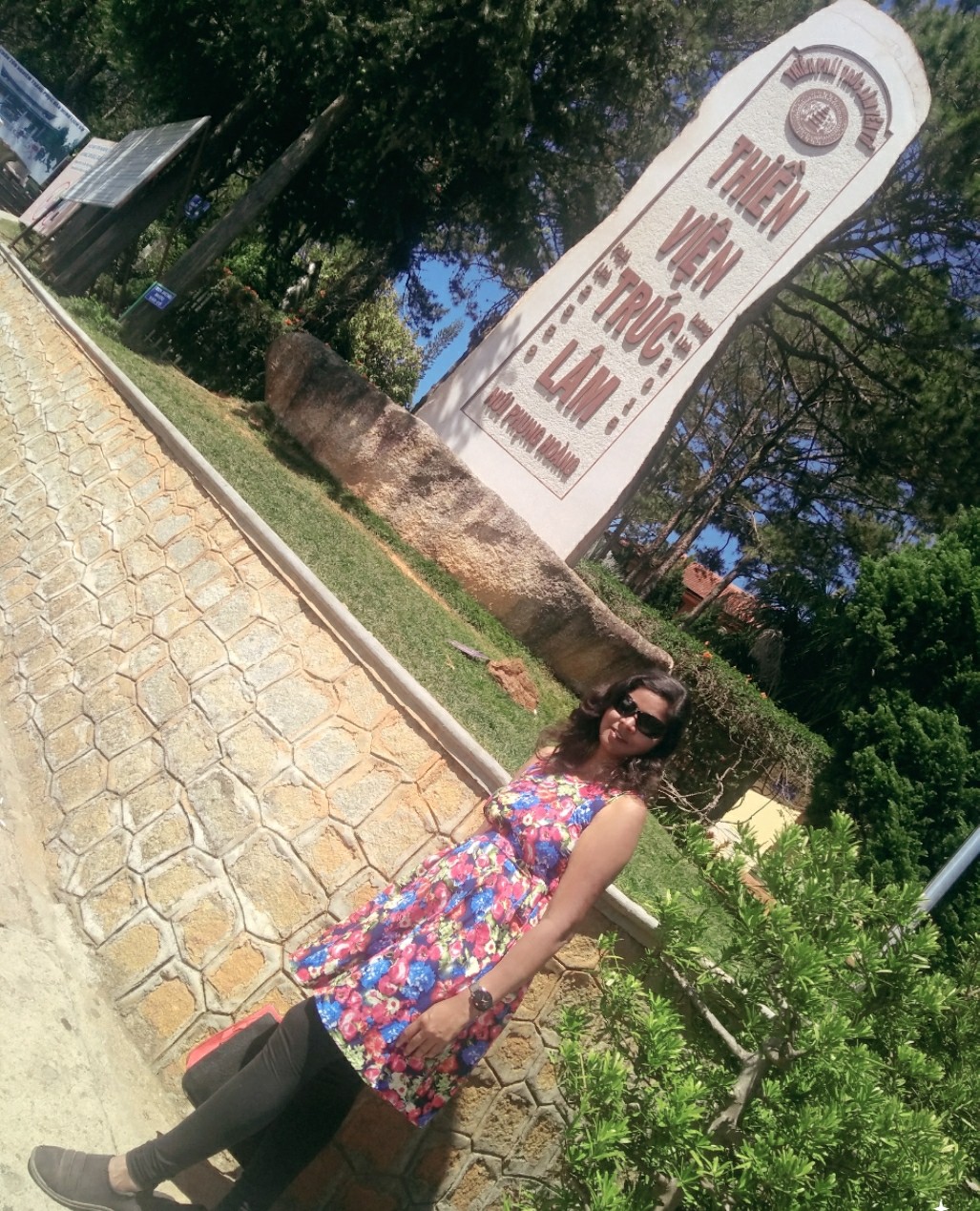
You’ll pass over picturesque farmland and gaze on rolling, green hills that stretch out to infinity. A round trip ticket is only 70,000VND ($3USD). You could also take a taxi to the monastery, but come on. we can’t pass on that view! Spending at least one hour to explore the many buildings, sprawling grounds, and lovely gardens of Truc Lam is highly recommended.
There are food and drink vendors right outside the main gate, close to the cable car station. Having vendors nearby makes a picnic in the monastery hassle-free. Keeping the vendors outside the monastery maintains the right atmosphere inside the gates.
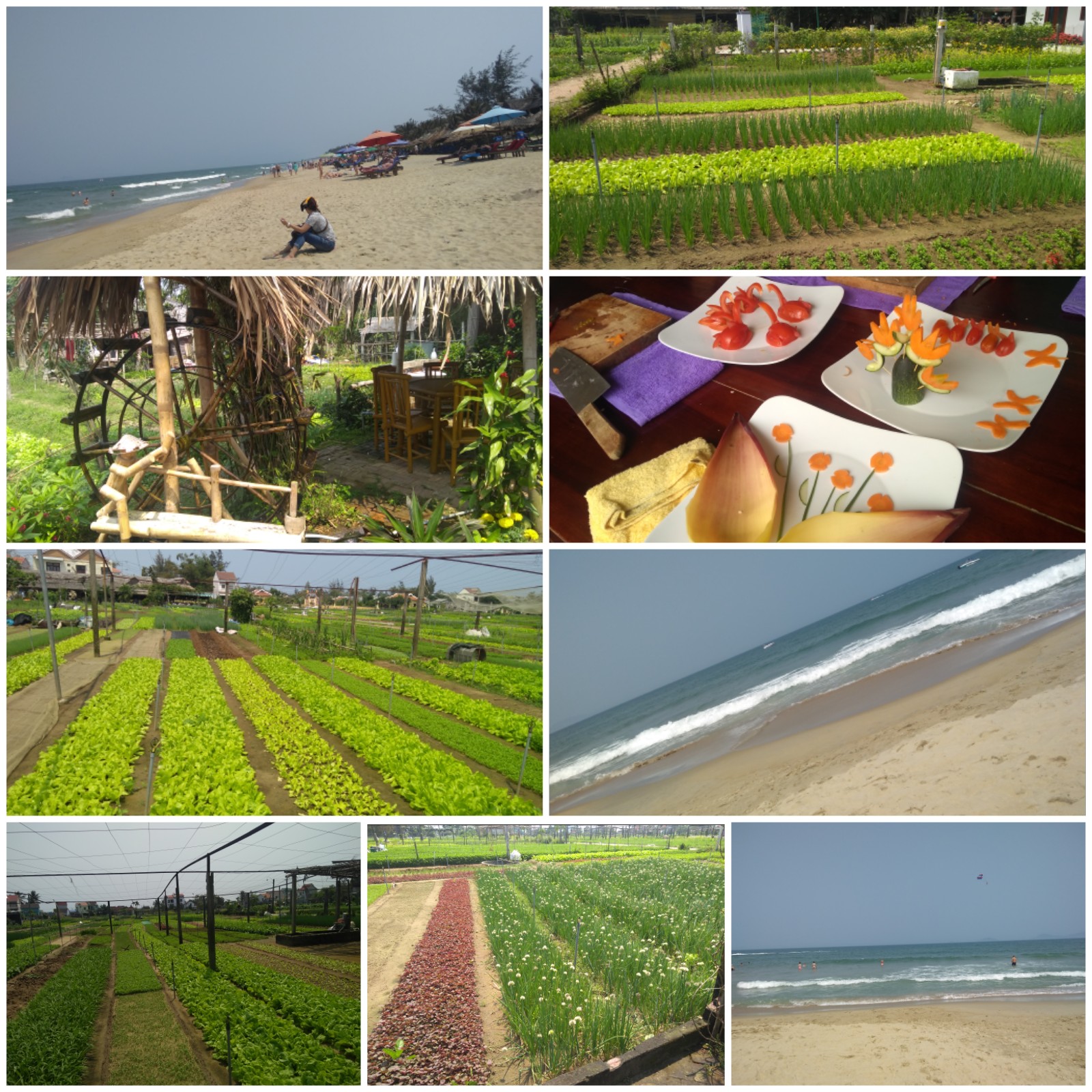
Picturesque farm land view from cable car
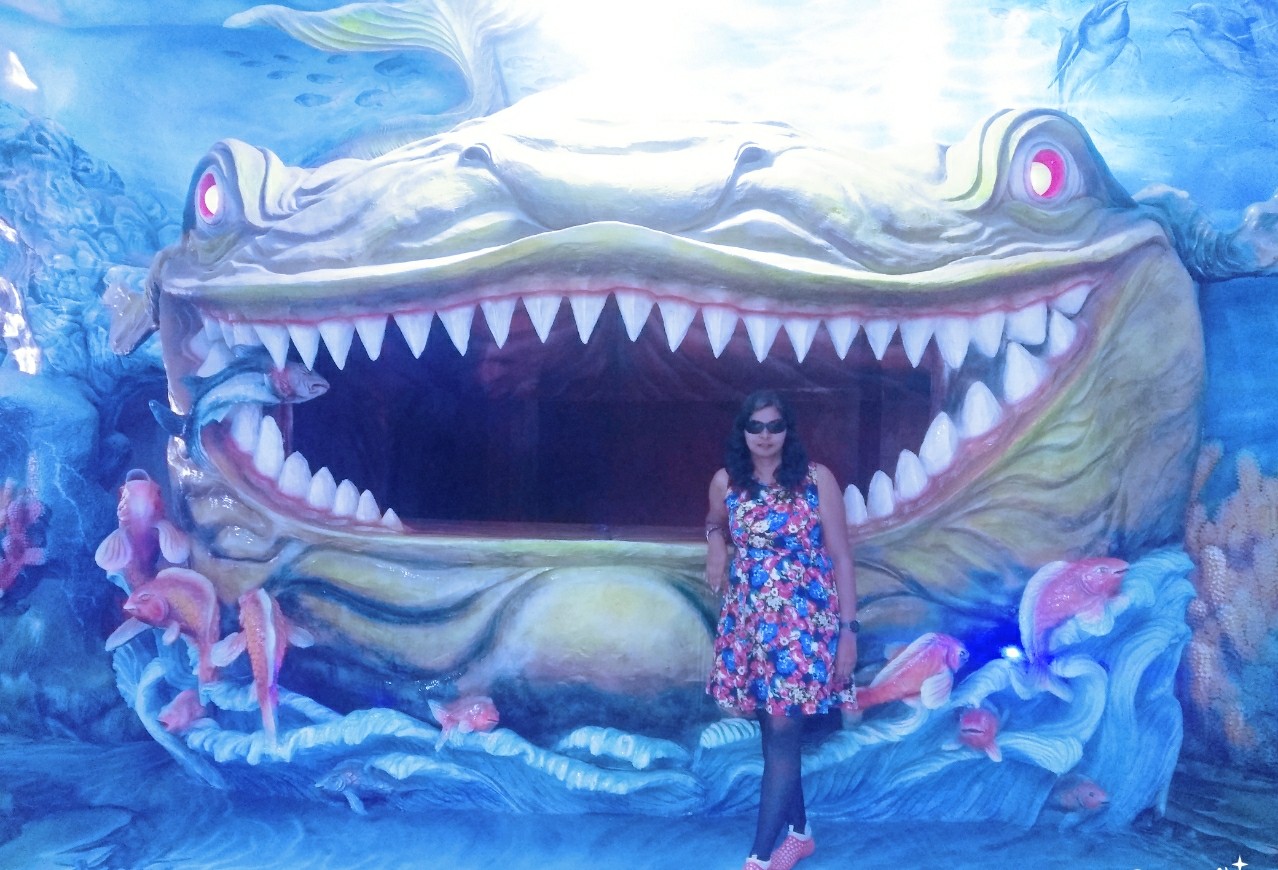
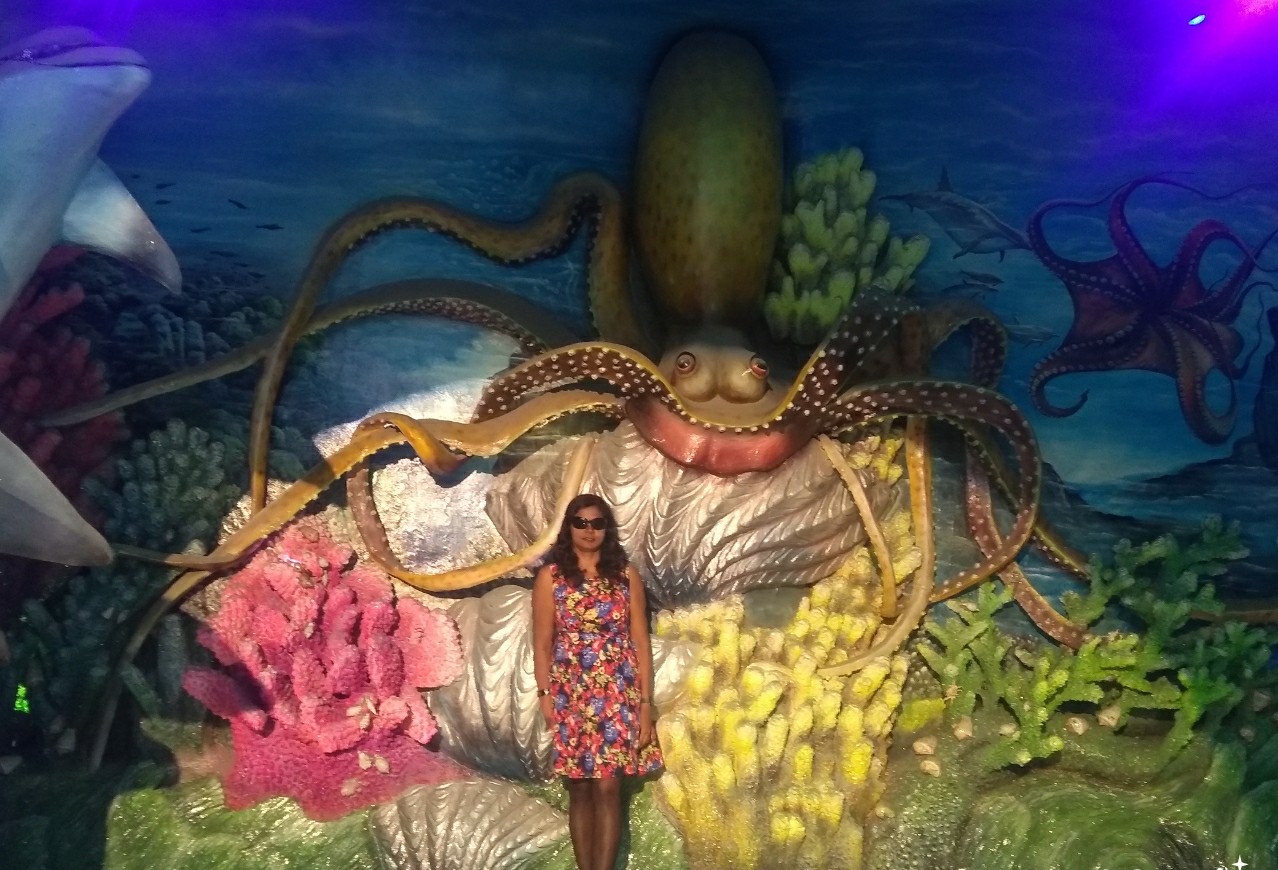
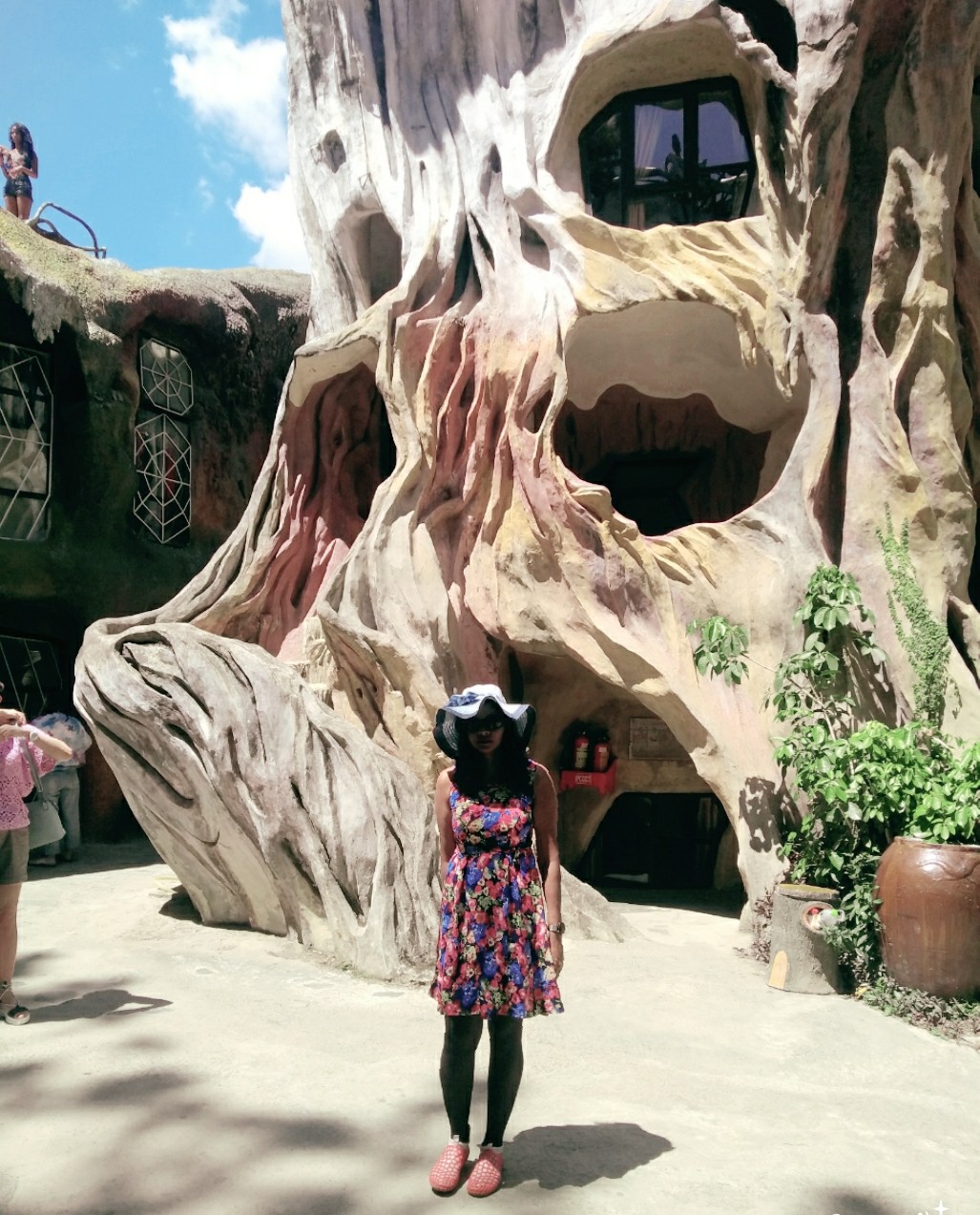
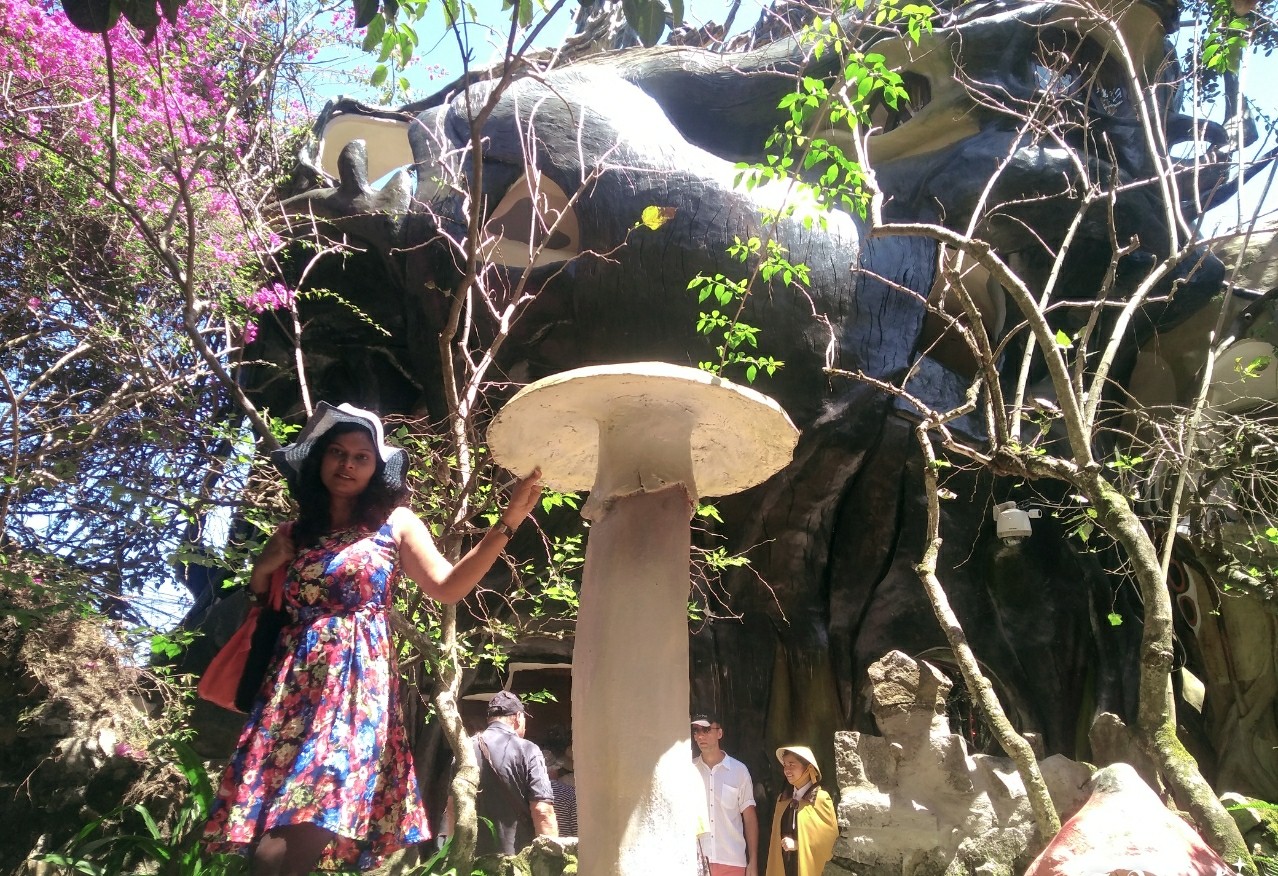
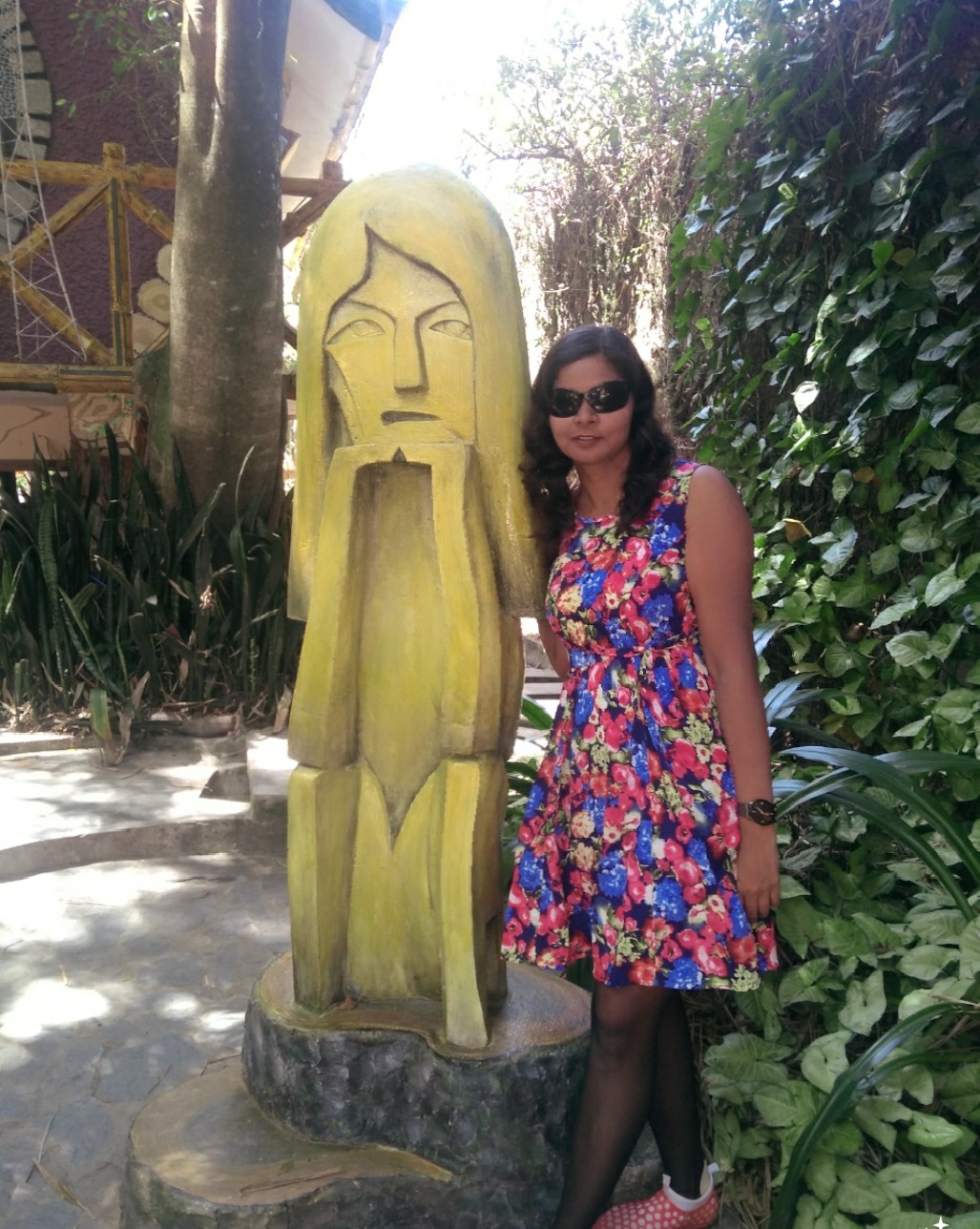
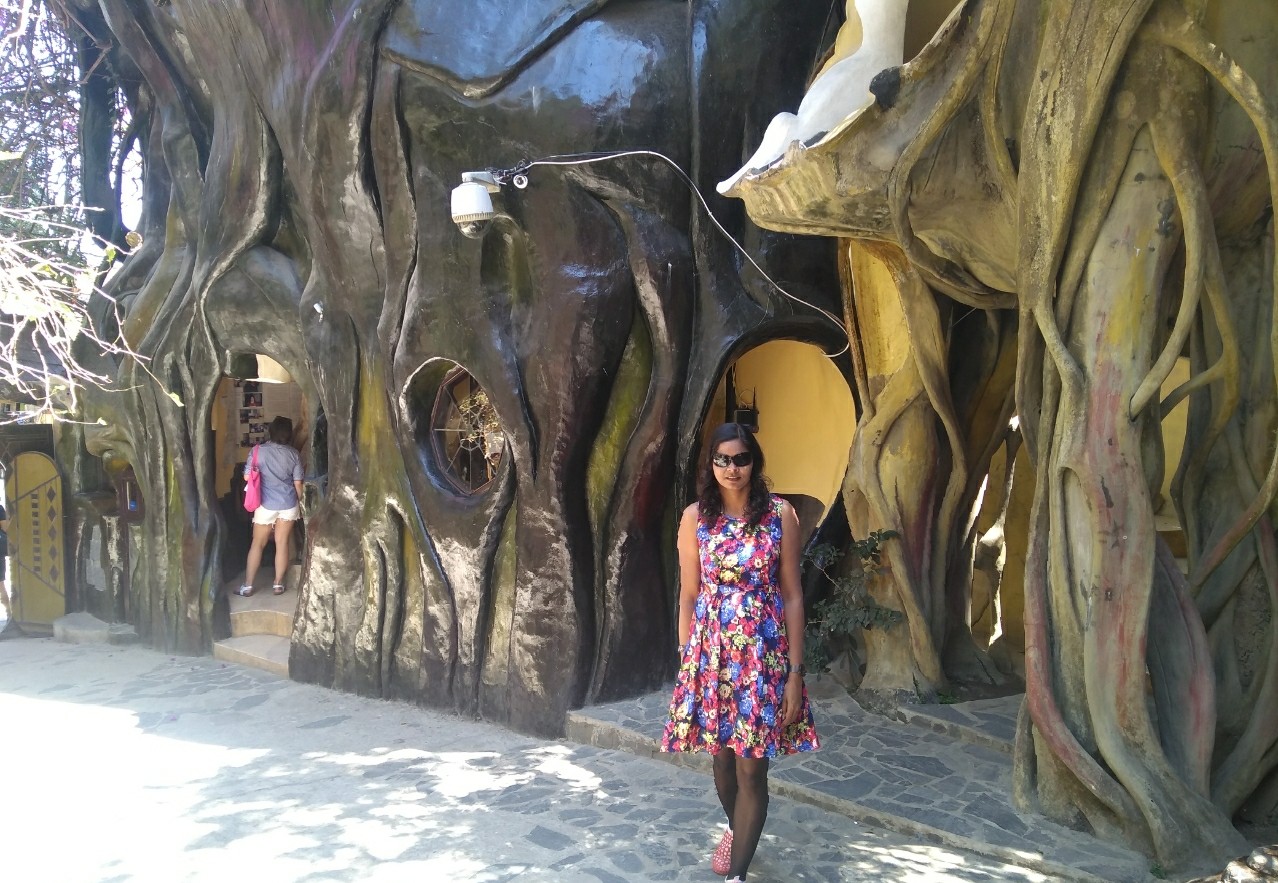
Welcome to the Hang Nga Guesthouse, also known as “Crazy House”. It was opened to the public in 1990, the Hang Nga guesthouse began as a pet project of architect Dang Viet Nga daughter of ranking communist leader Trong Chinh Dang Viet Nga. It was here she built her now famous guesthouse, modeling after the natural she saw all around her in the rolling green mountains.The main structure of crazy house is based a banyan tree. A million words wouldn’t be able to do this weird place justice. It’s a visual experience, so let’s have a look at some pictures that show exactly how innovative and interesting the Hang Nga Guesthouse really is.
Mui ne :
The next city was Mui ne which is a beach resort town with a long, palm-lined stretch of sand.
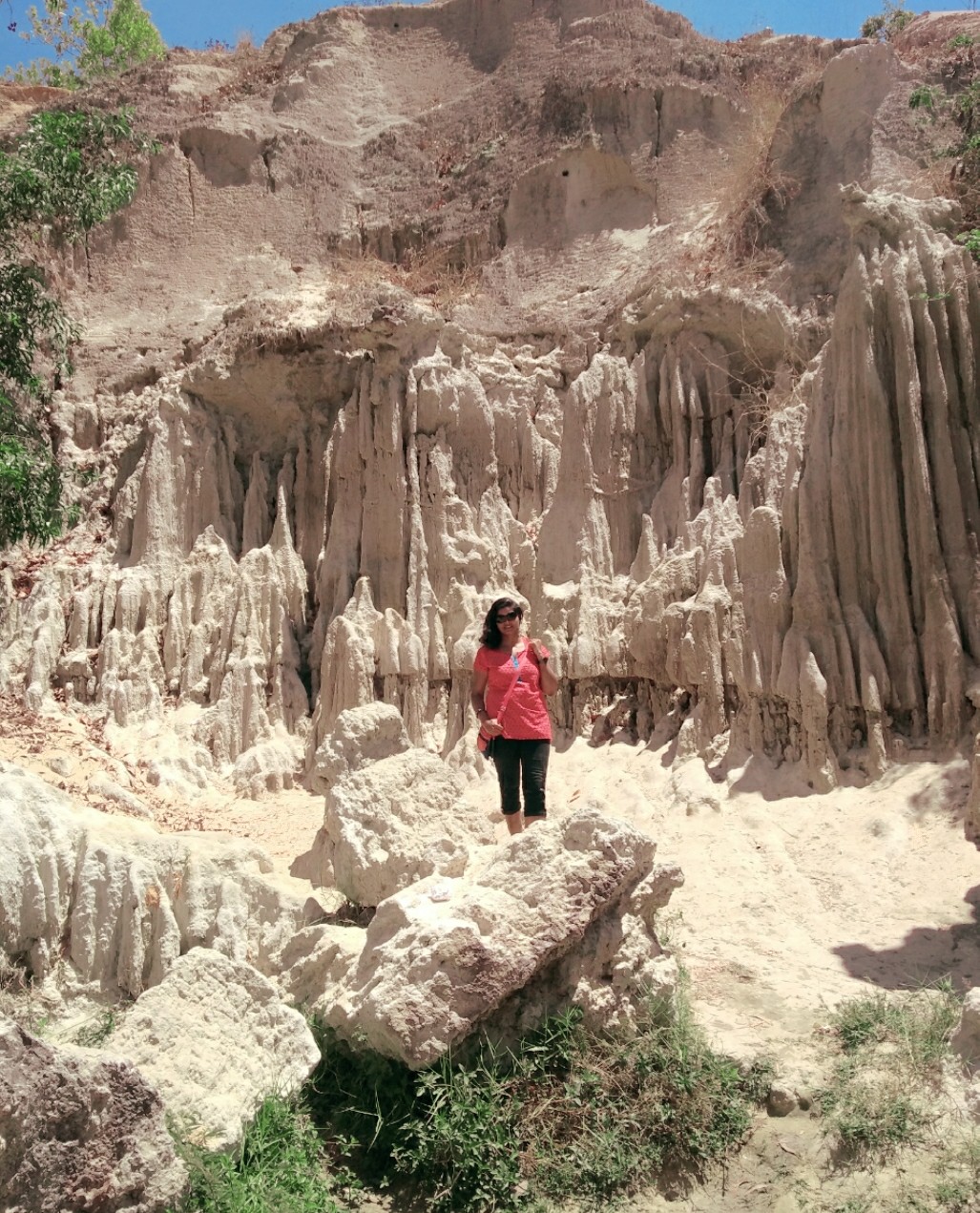
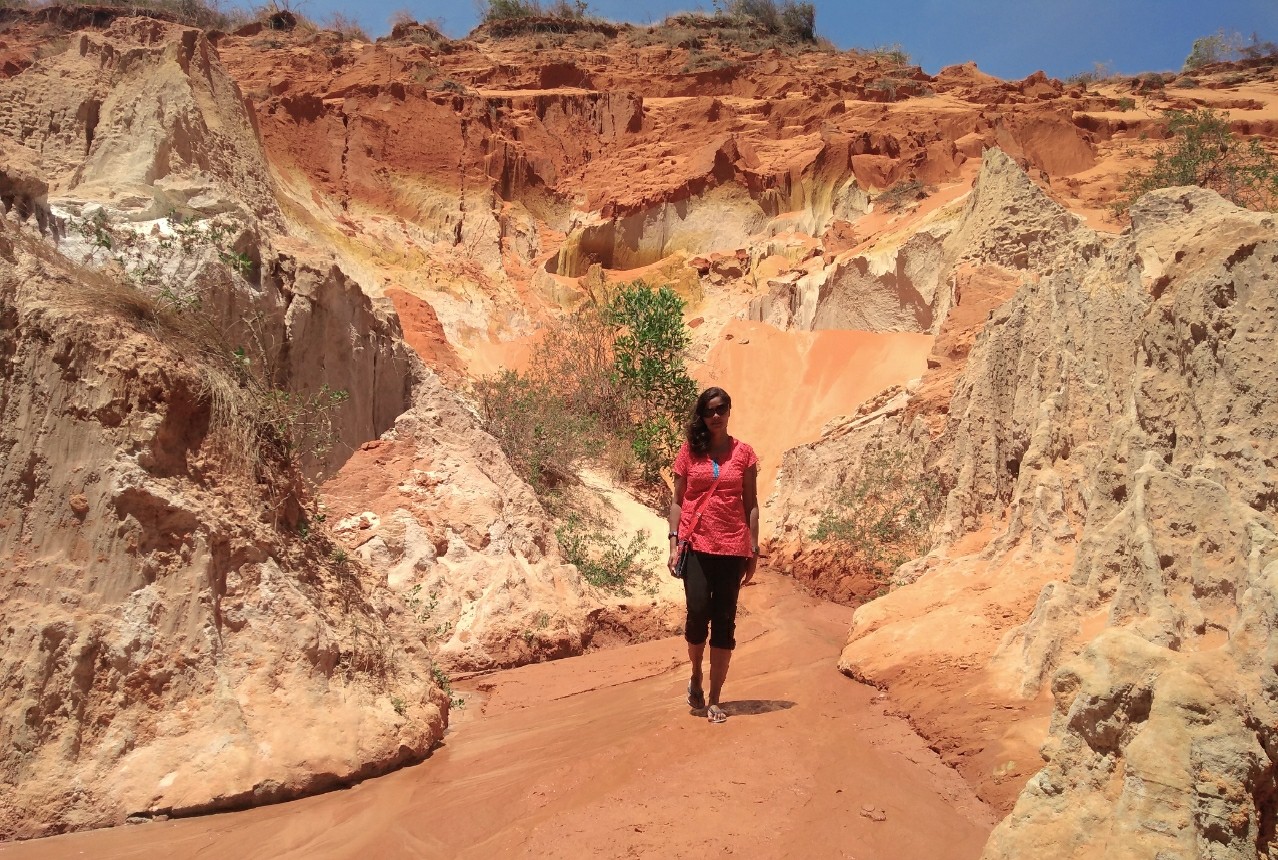
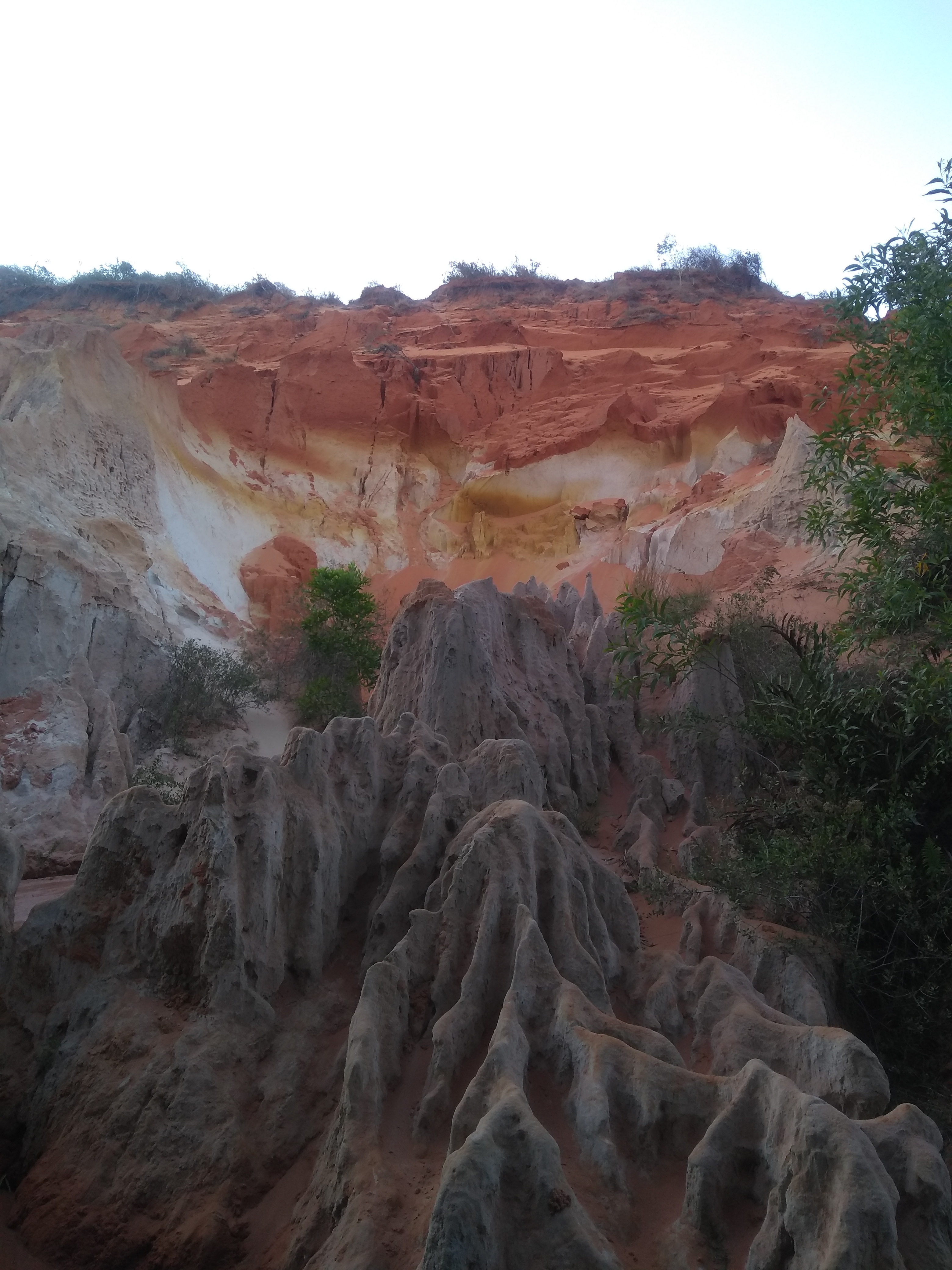
Fairy stream is another wonder of nature. Tucked between beaches and fishing villages, this gurgling stream is surrounded by amazing limestone formations. You can deposit your shoes at the entrance or carry them along with you to explore this muddy stream.
Make your way through colourful limestone formations, warm water, and bright green trees to reach a waterfall.
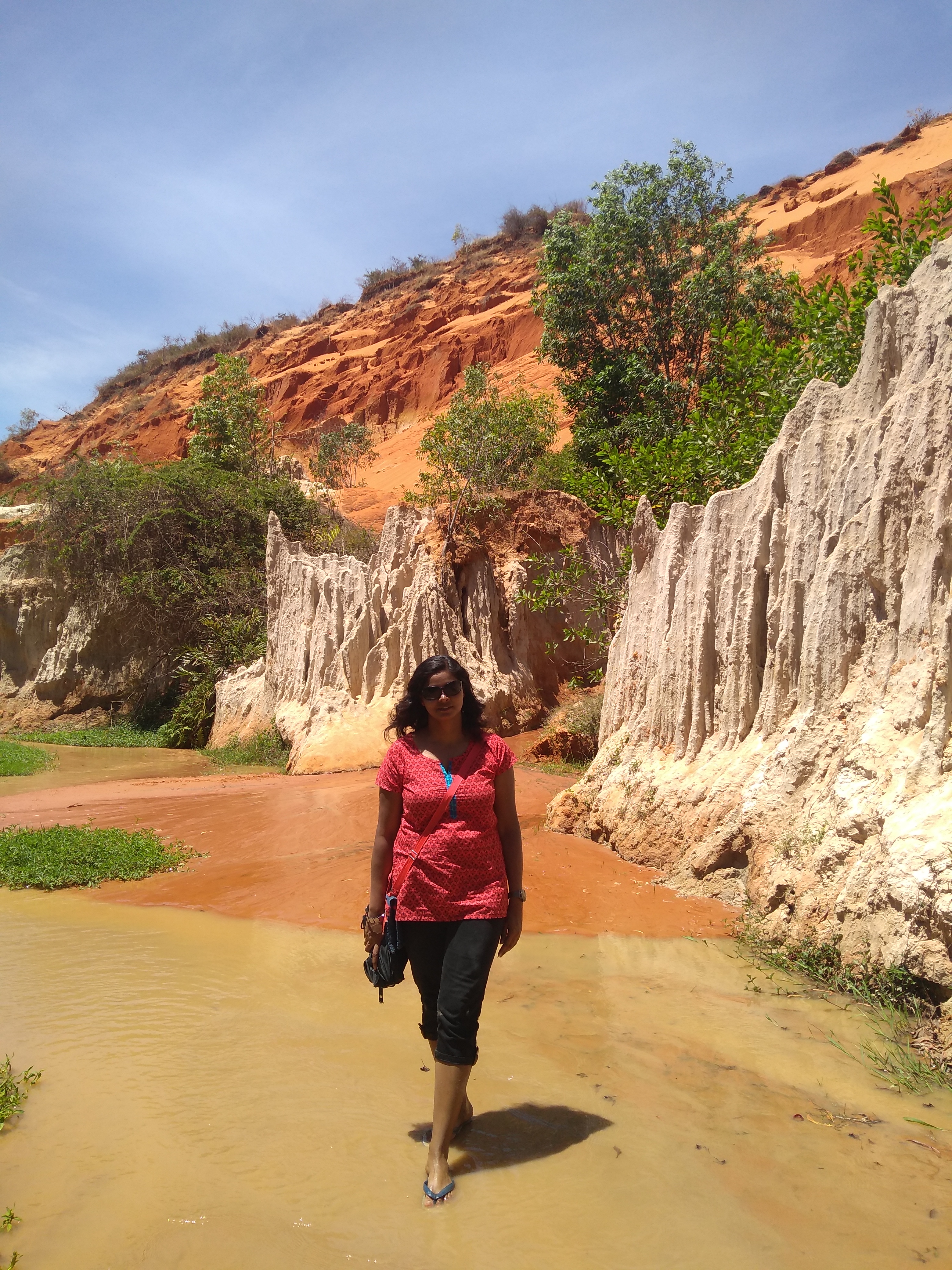
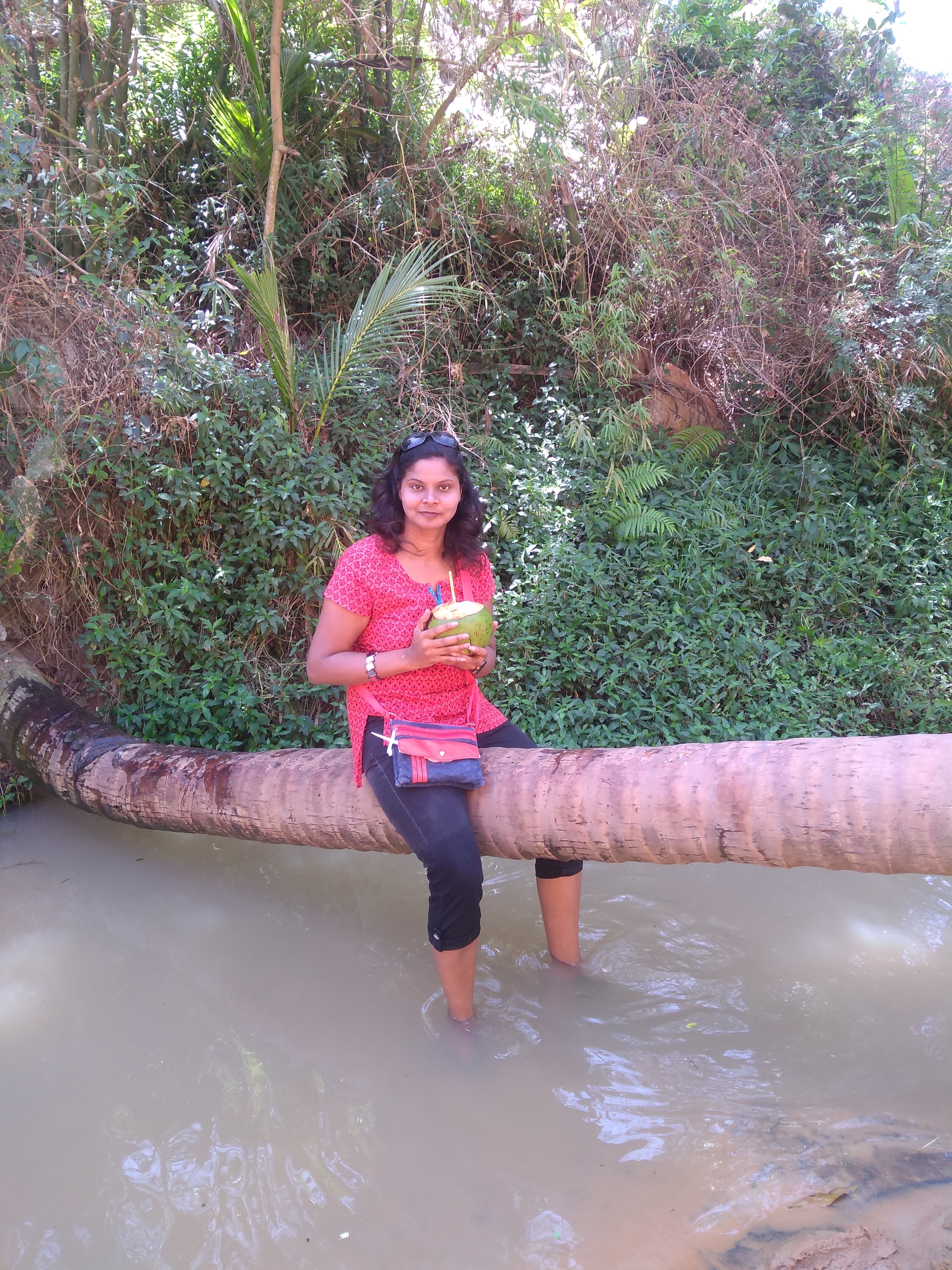
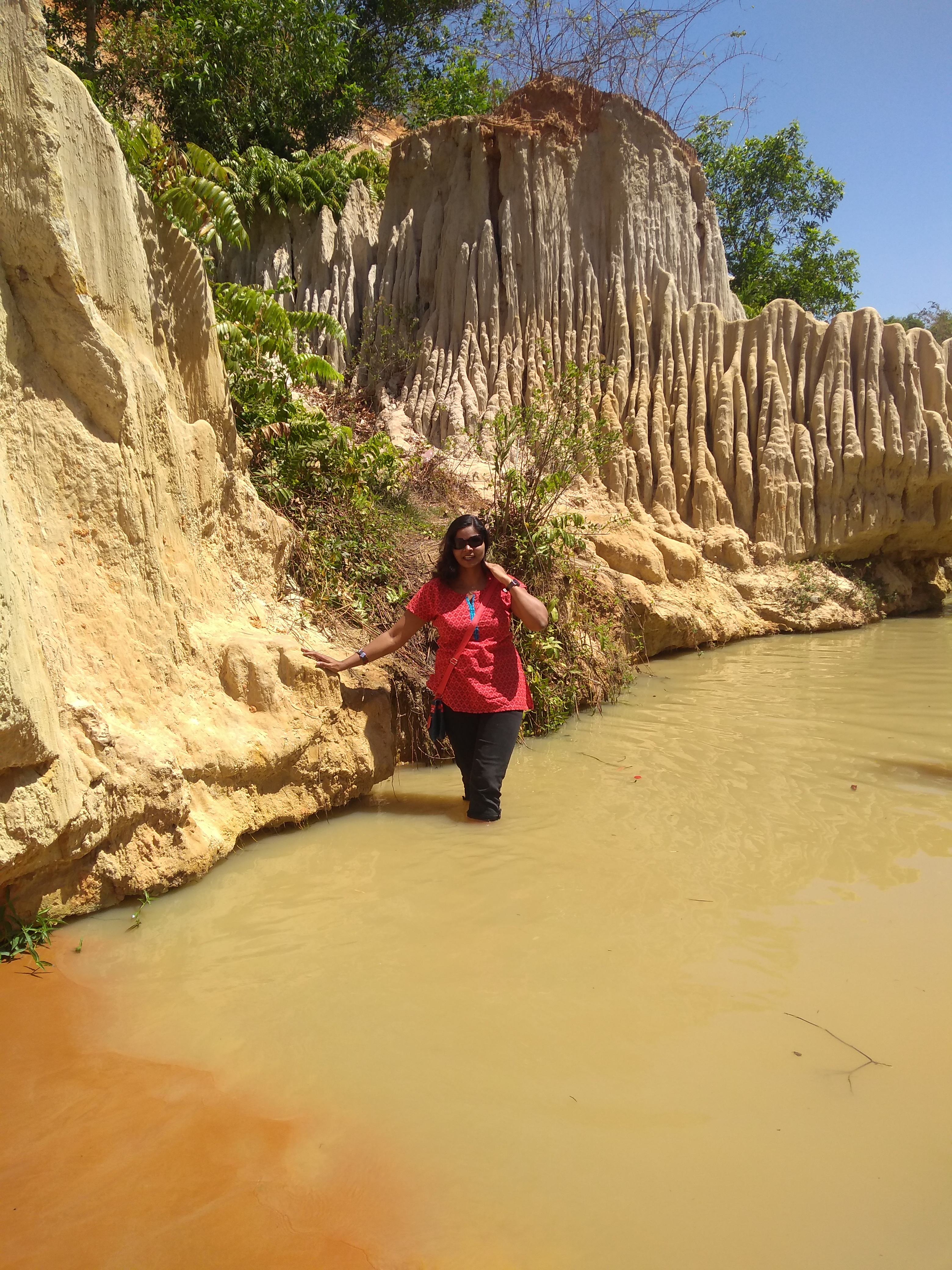
Fairy stream 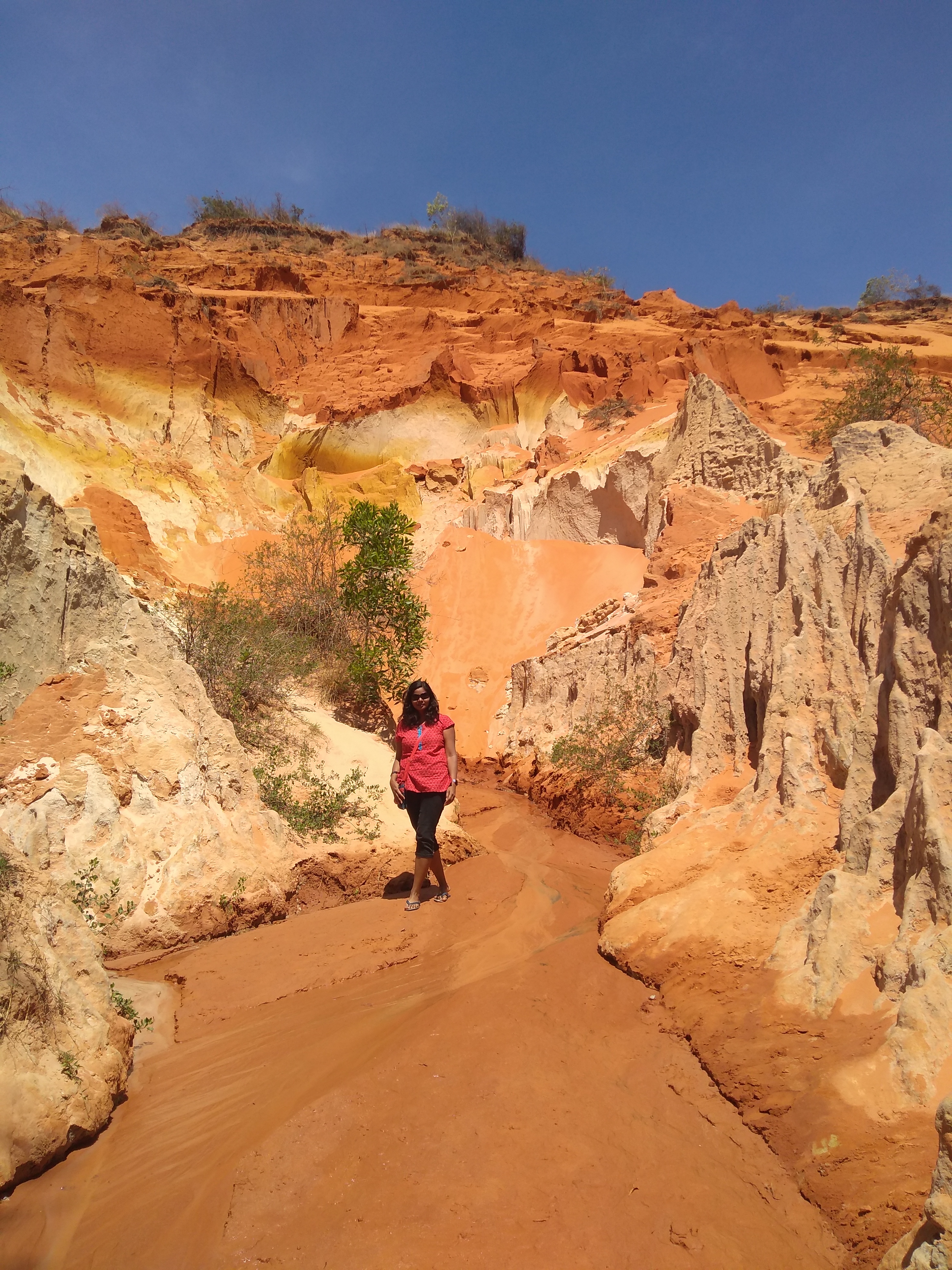
Mui Ne’s chaotic early morning market provides a fascinating peek into the lives of local Vietnamese fishermen. Every morning they get their catch to the shore. Their wives and family members sort out the catch and sell it to the local traders, restaurant owners, and street food vendors on the spot.
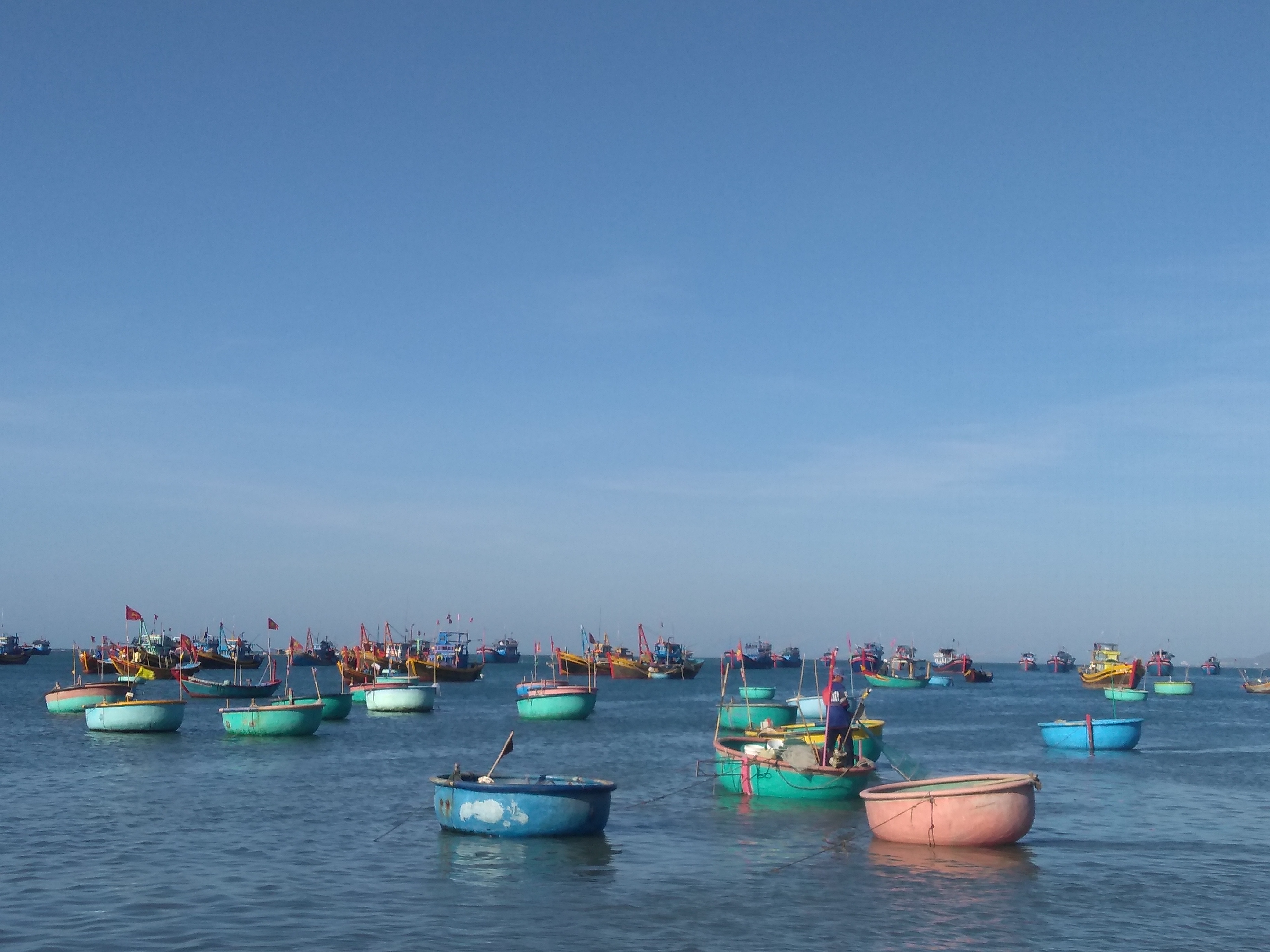
Early morning fish market 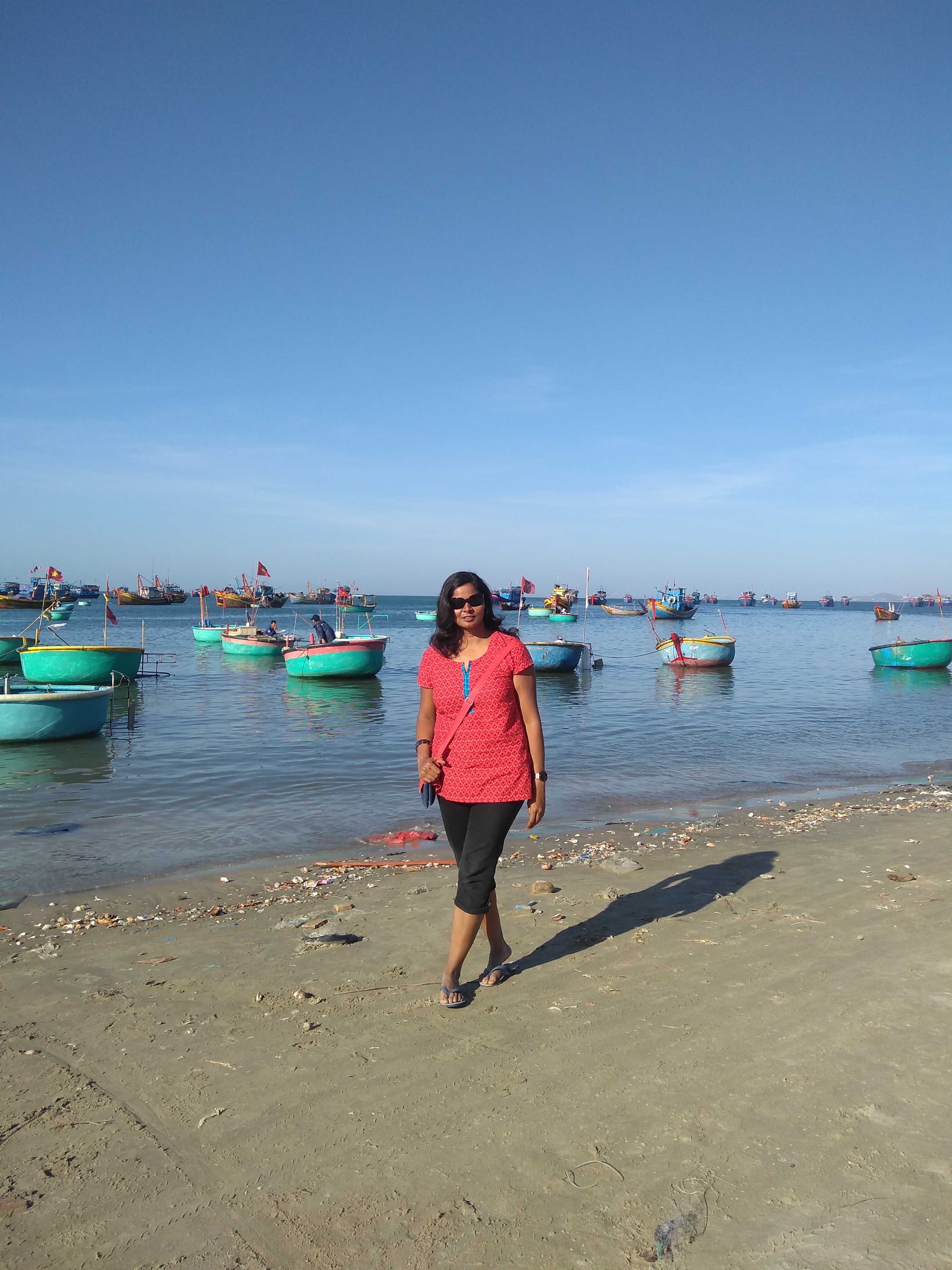

There are two sand dunes one being the white sand dunes and the other is red Sand Dunes . If you don’t have the time to venture out to the White Sand Dunes which is 25 kms from the city, the Red ones are just a couple of kilometres from the centre and can be reached on foot as well.
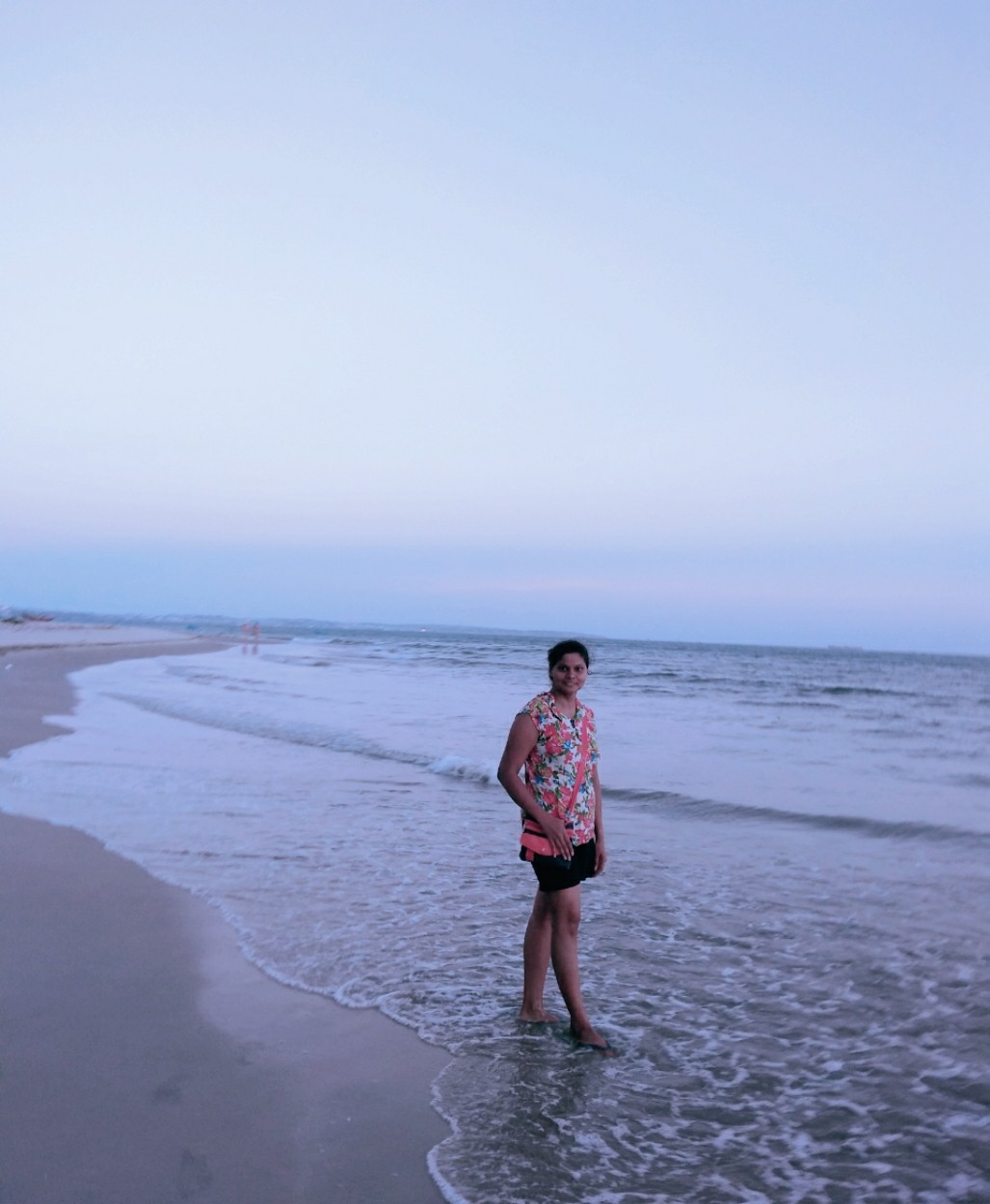
Amazing beach in Mui ne
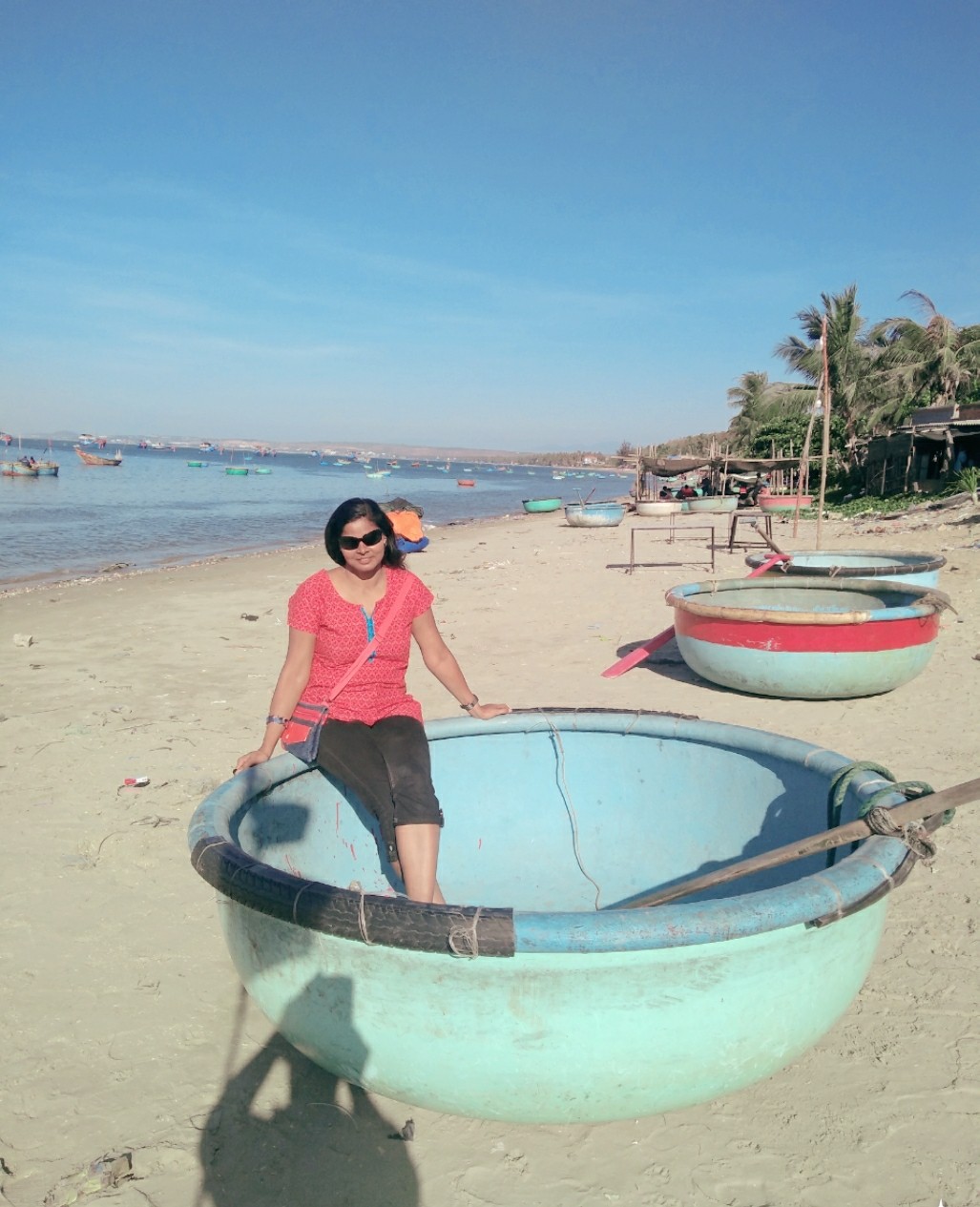
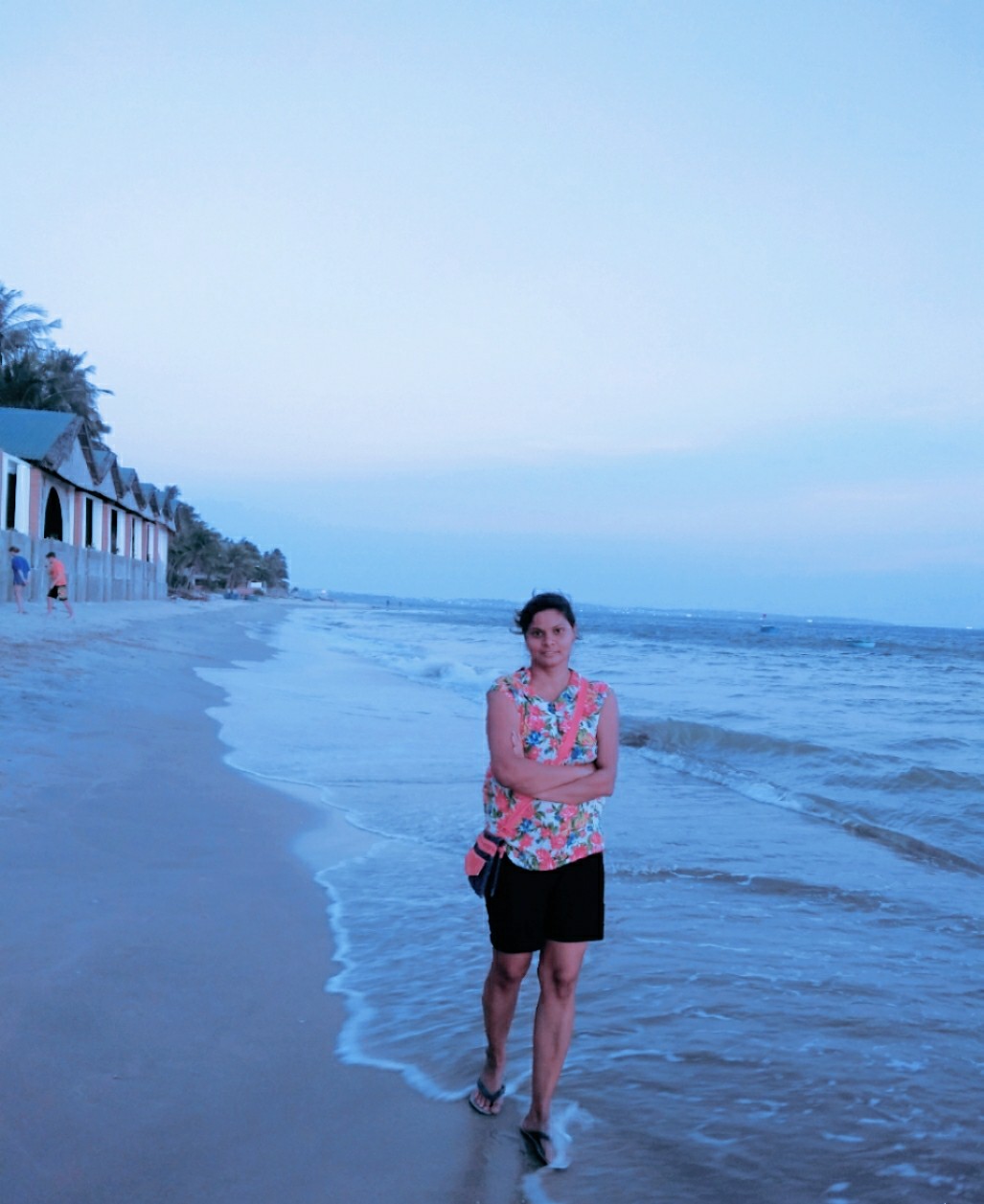
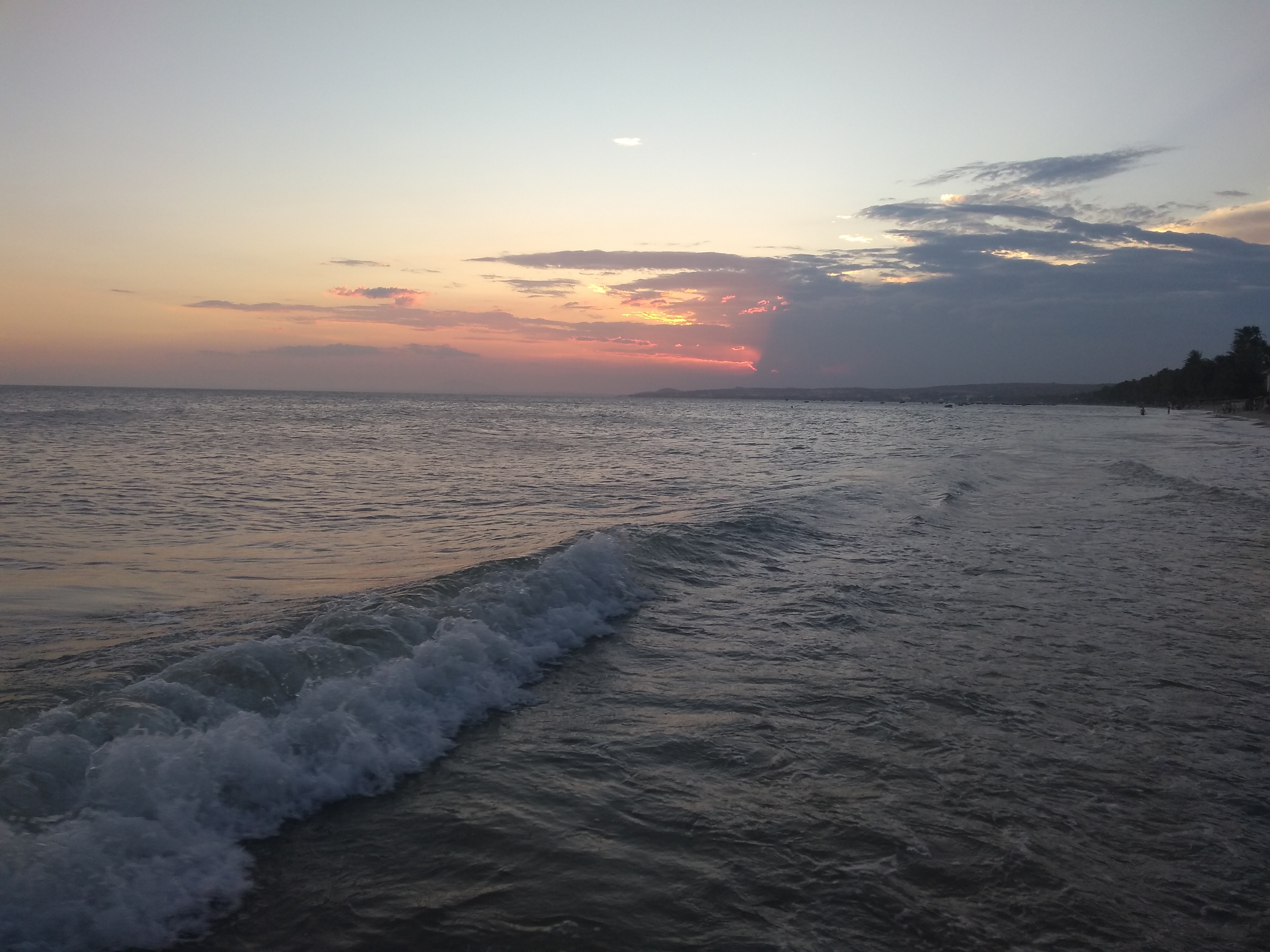
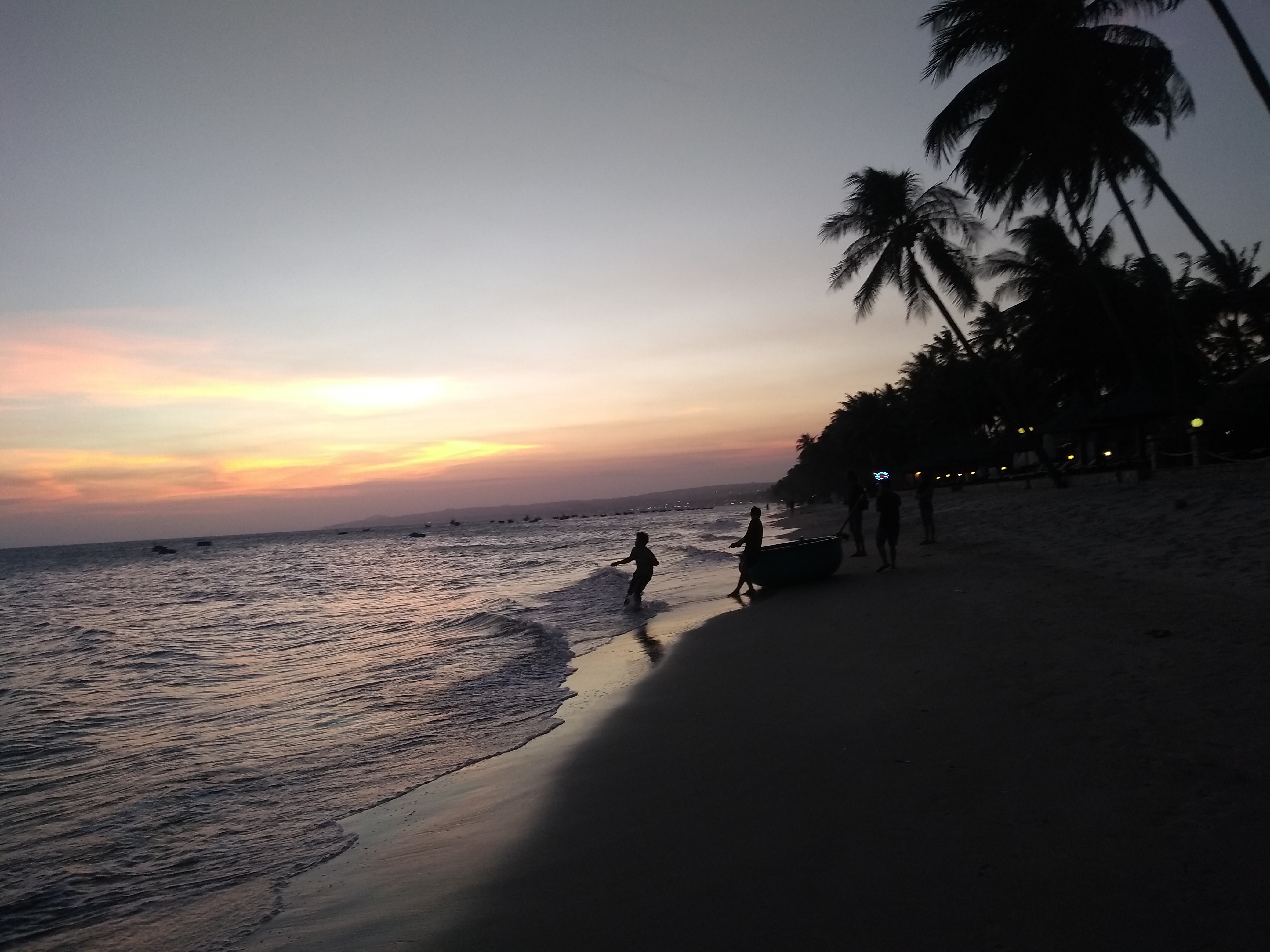
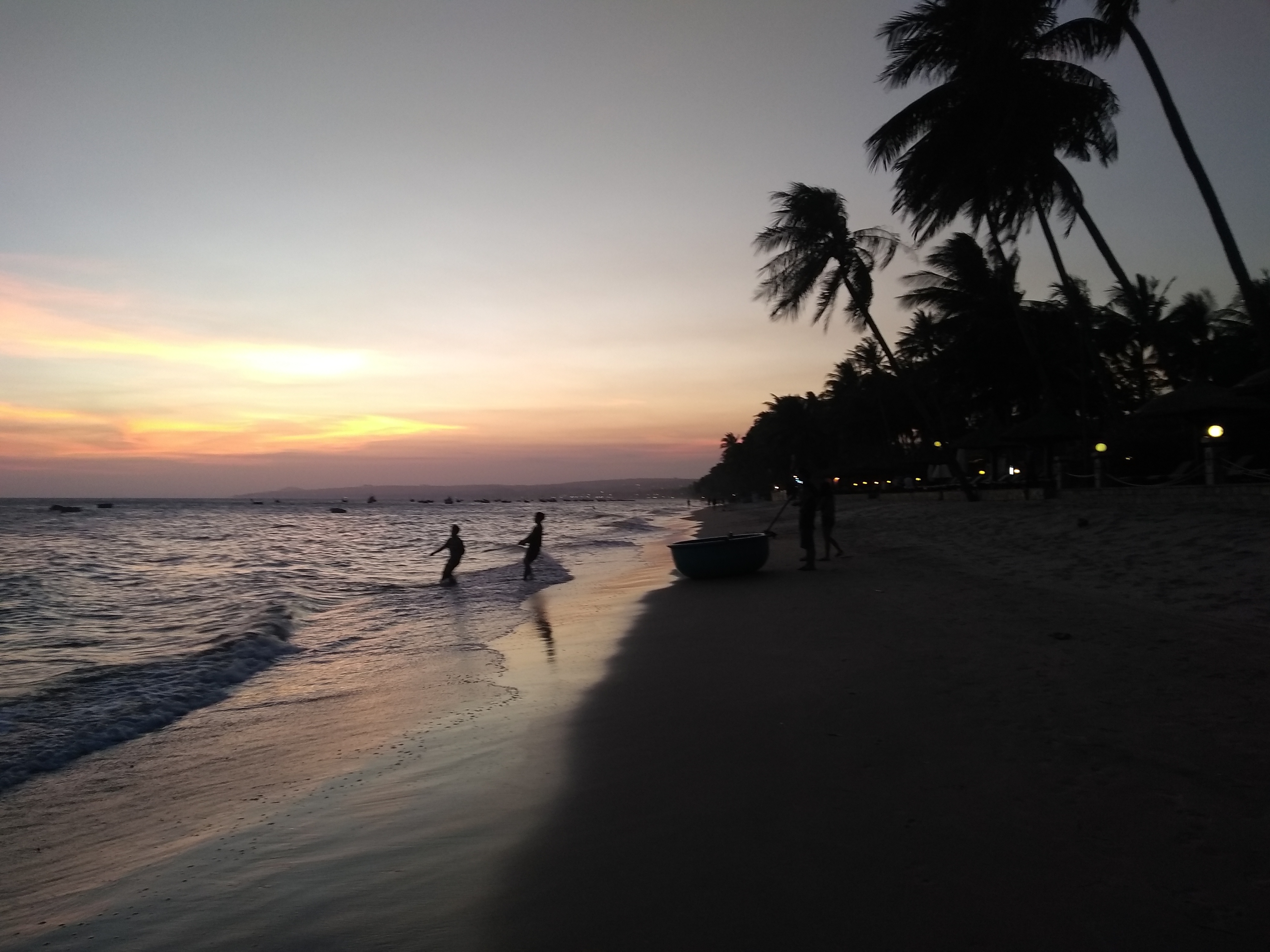
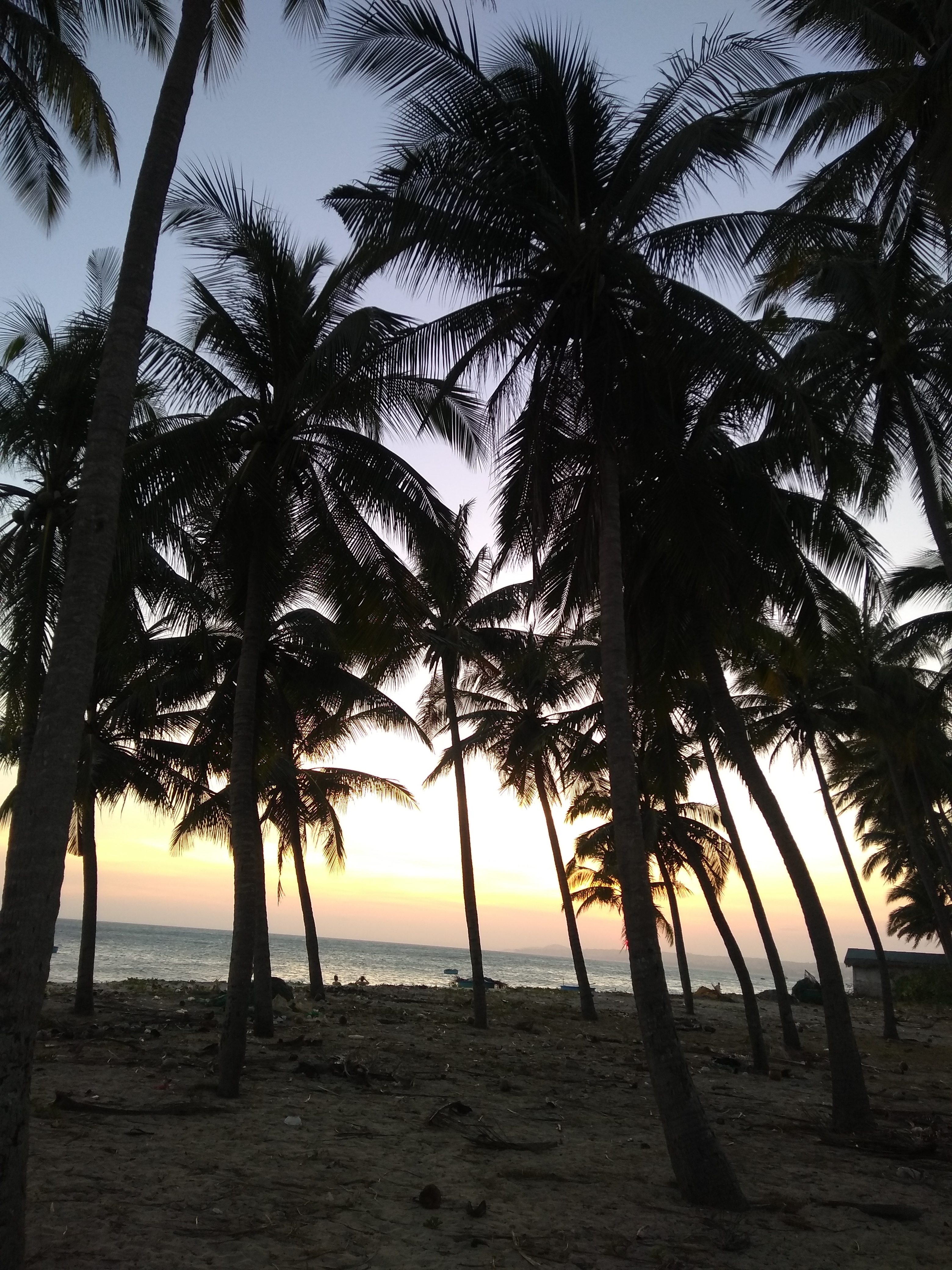
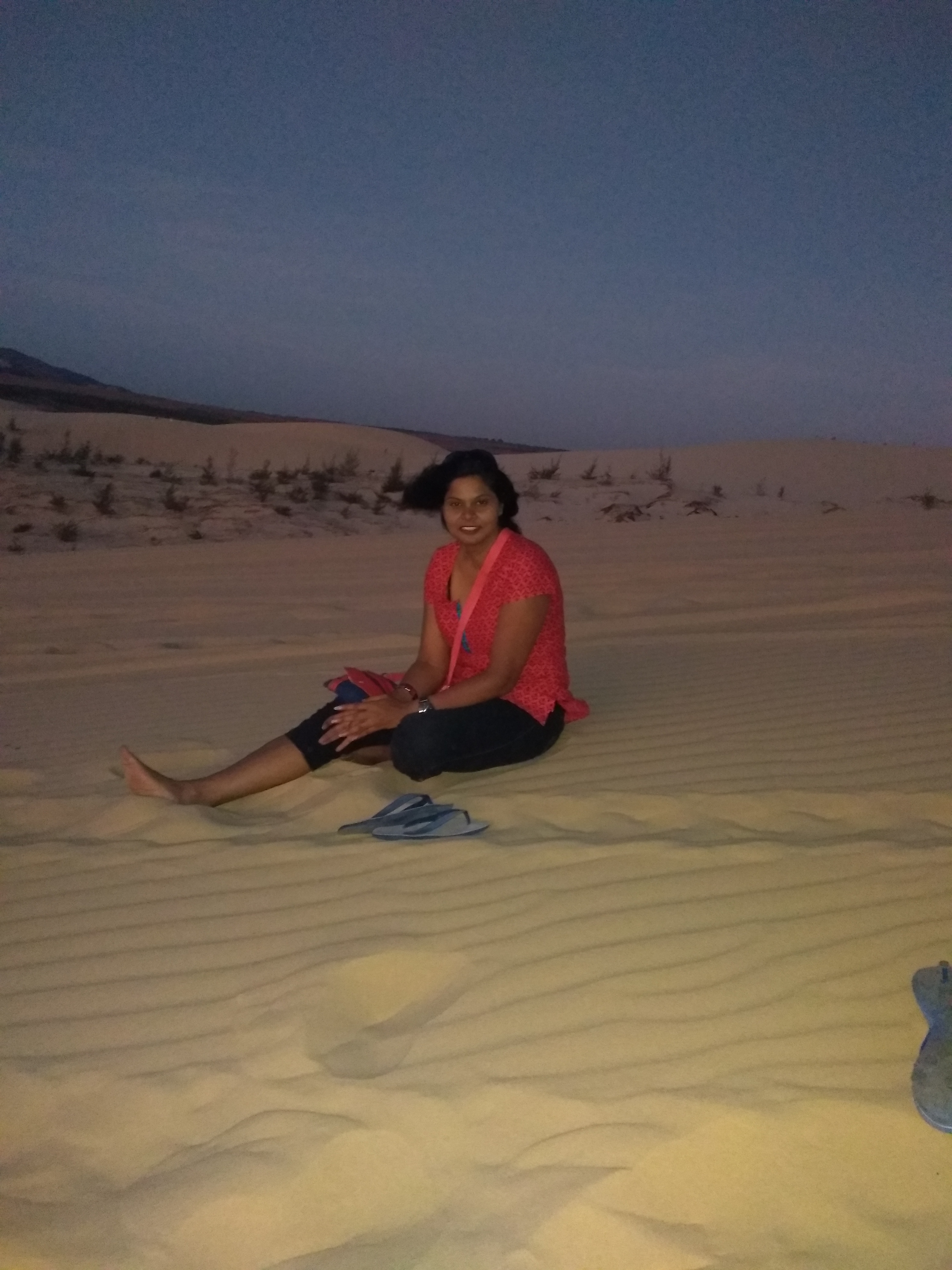
This is the only city where I saw both desert and the beaches in a few kms away. White sand dunes is 25 kms from the city but the tour agent arranges a jeep at 4.30 am to get the sunrise view or at 4.30pm to get the sunset view. The city is just amazing with a places likes fairy stream, deserts and amazing beaches.
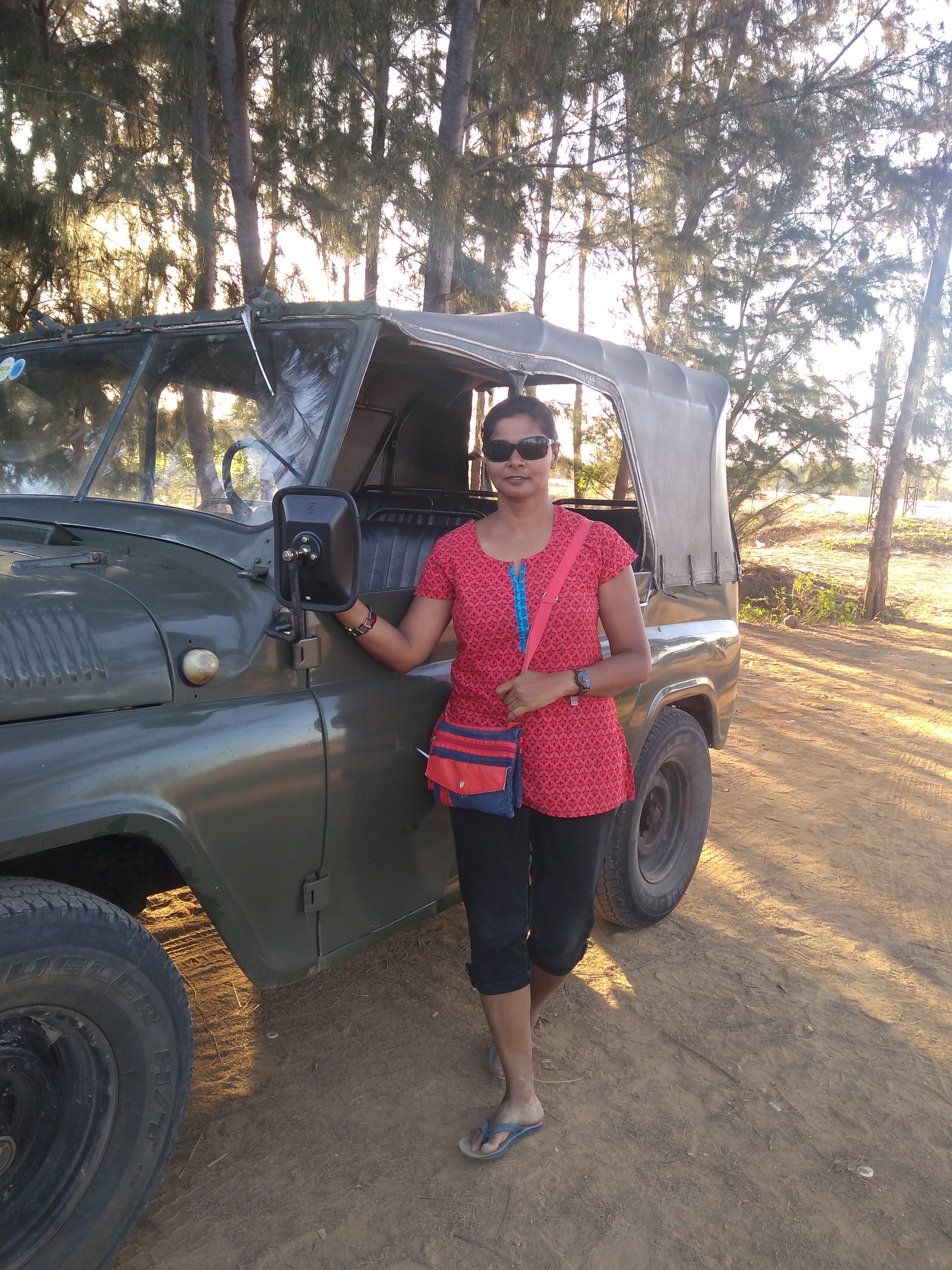
Day trip in a jeep to watch sunrise 
White sand dunes 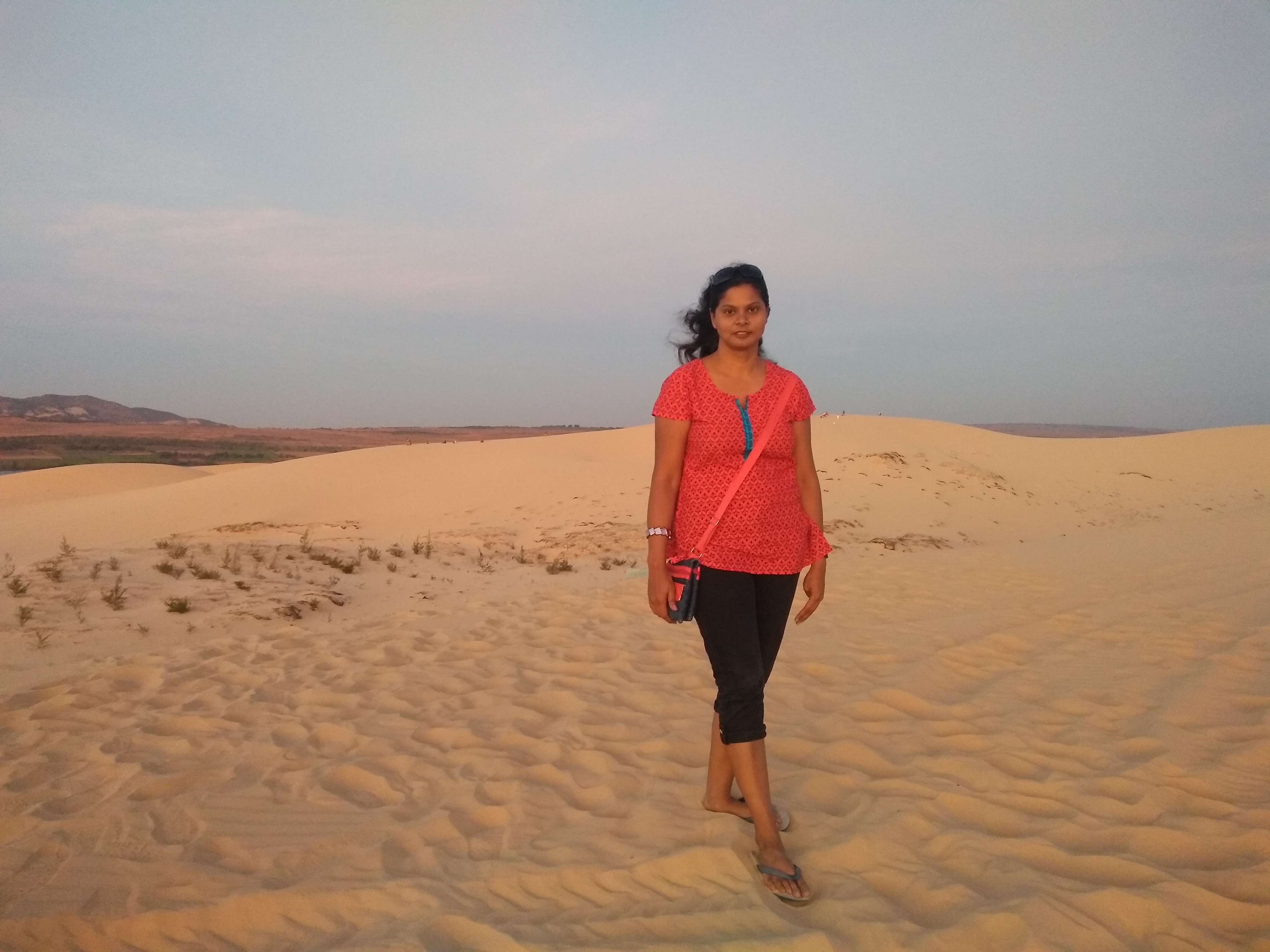
Ho Chi Minh:
The most popular city of Vietnam Ho Chi Minh is named after a communist revolutionary leader who was Chairman and First Secretary of the Workers’ Party of Vietnam. He was also Prime Minister and President of the Democratic Republic of Vietnam.
It is a vibrant mix of old and new with well-preserved colonial structures and war relics from the devastating Vietnam war as well as sleek skyscrapers. while unique modes of transportation such as motorcycle taxis and cycles make it relatively easy to explore the city centre and beyond. From the ornate Mariamman Hindu Temple to the informational War Remnants Museum, there seems to be an endless list of what to see in Ho Chi Minh City. The day trip from Ho Chi Minh to Mekong delta is a must see if you are in Ho Chi Minh as it is just amazing and cannot be explained in words.
Overall Vietnam is completely safe and affordable and also chilled out place for the tourists. It will definitely not drain your bank accounts but give you a memorable experience for the lifetime. Yes there are so many places which I did not visit but this was the best covered trip for 30 days according to me.
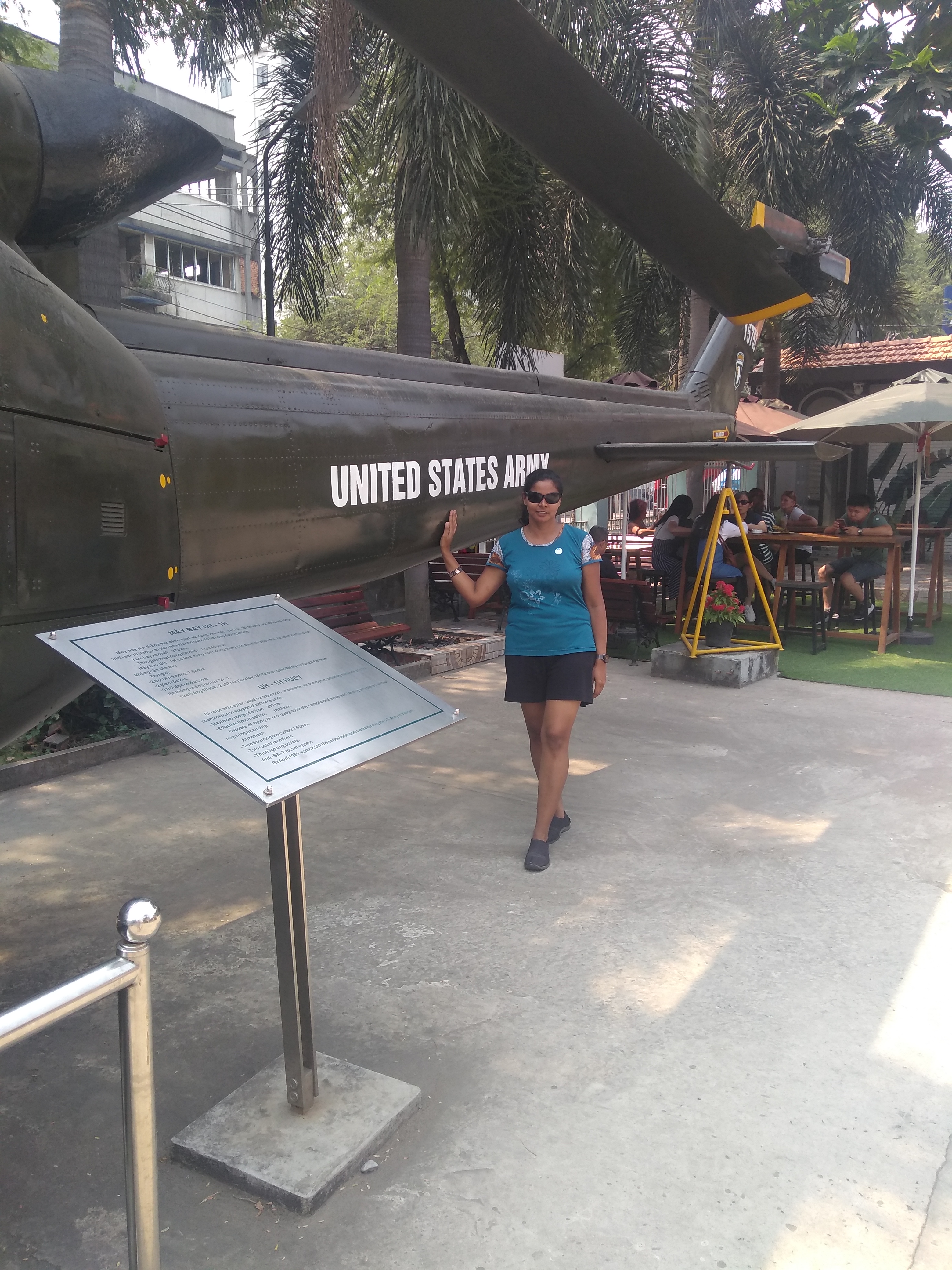
War museum 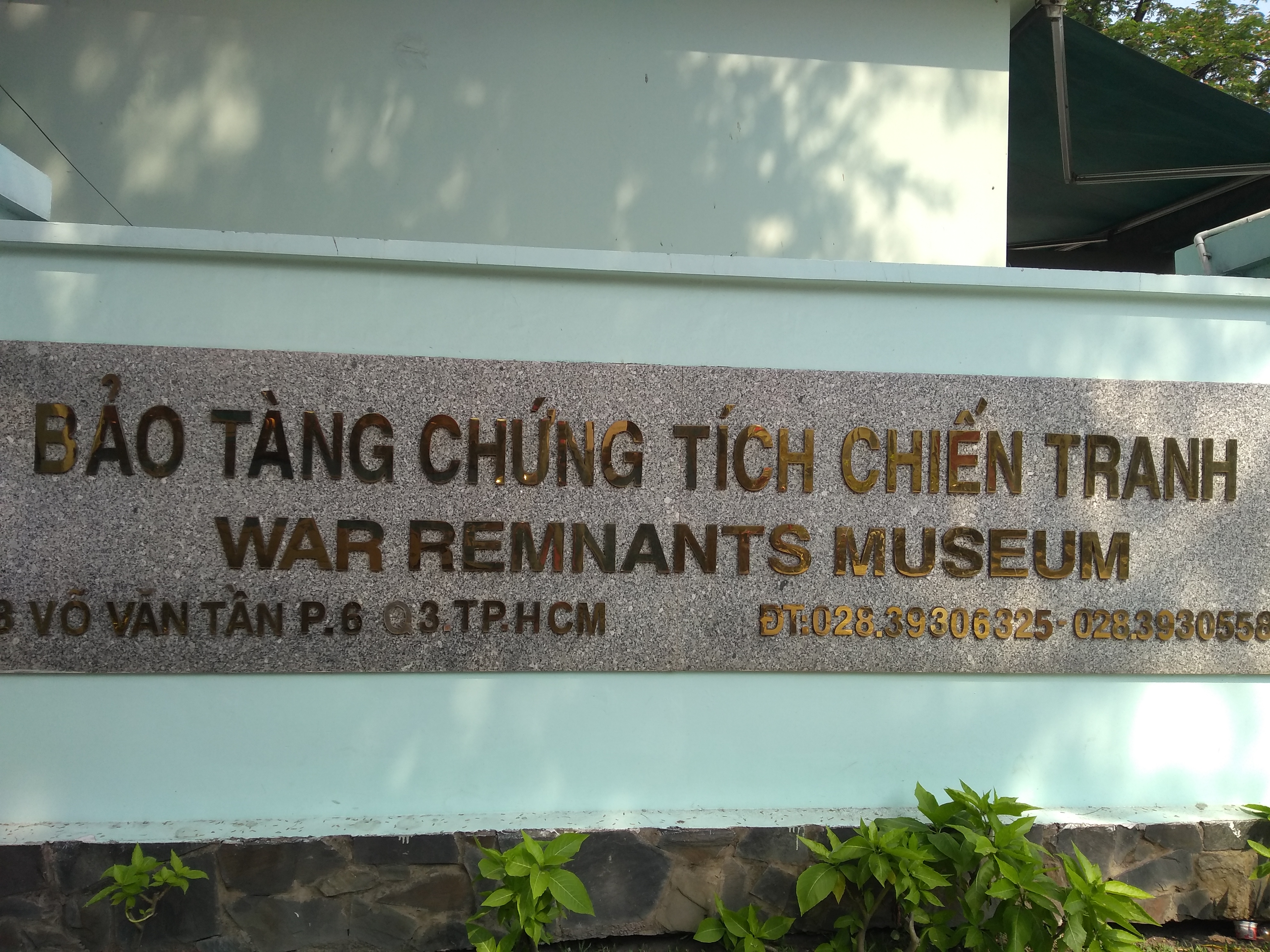
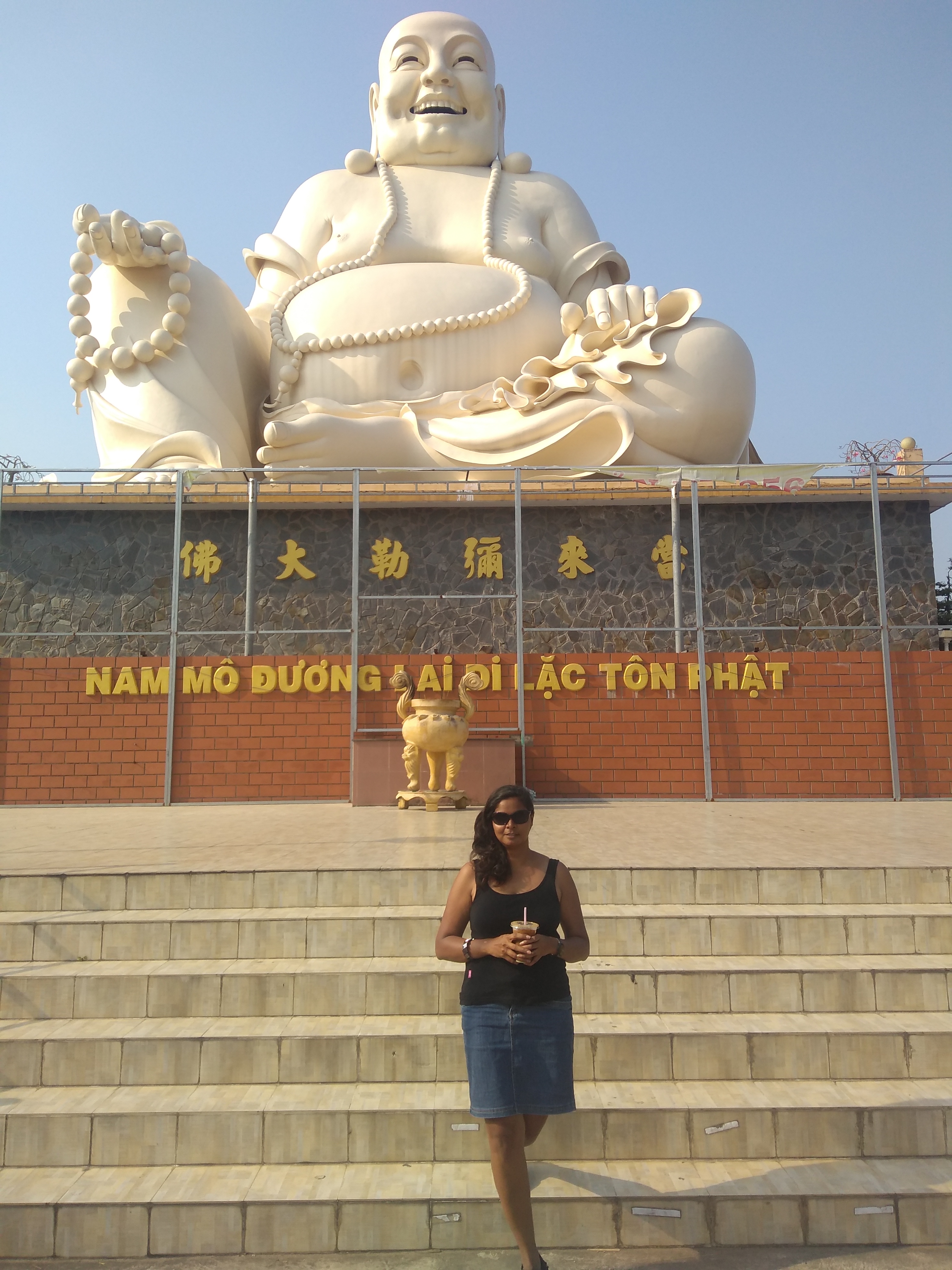
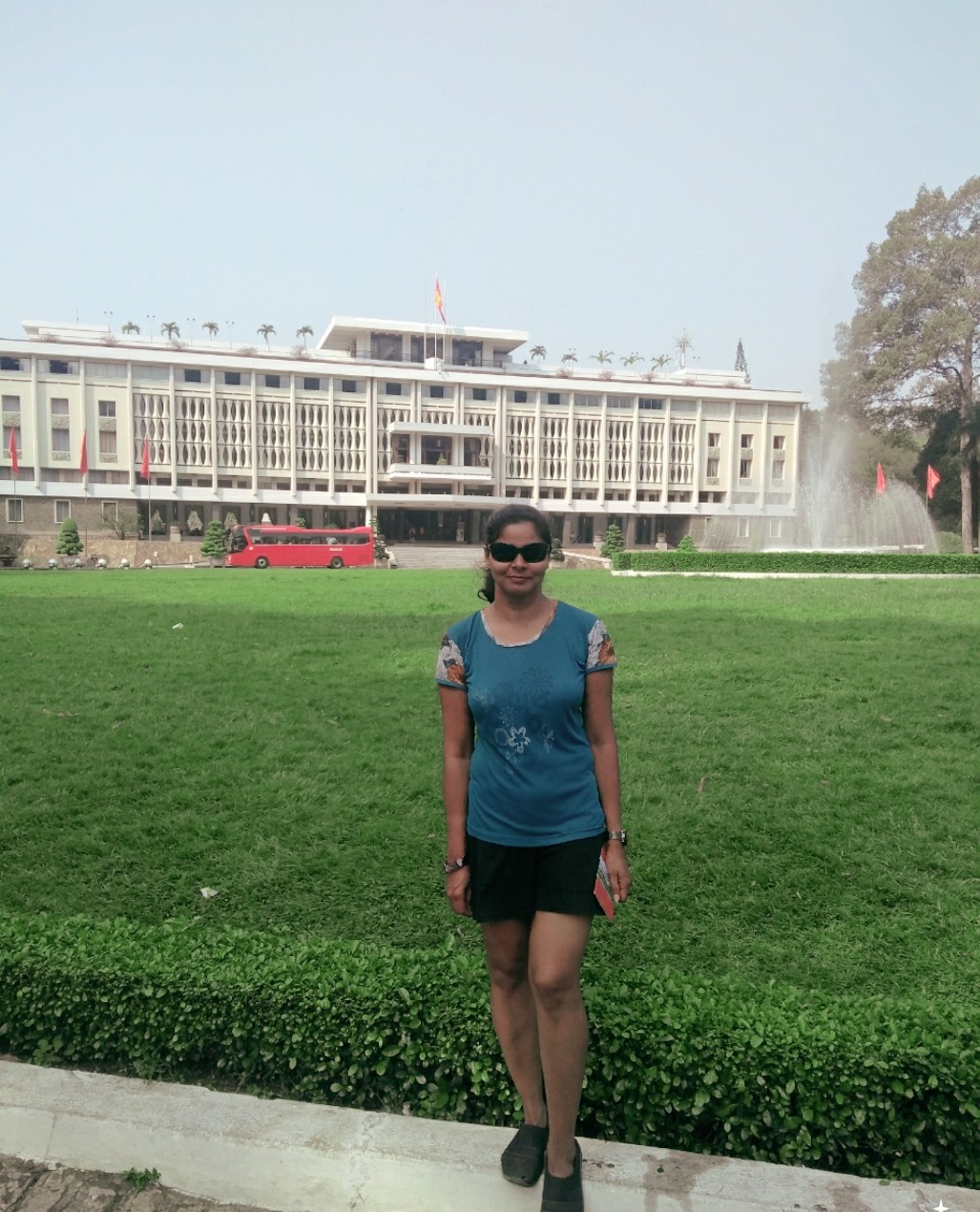
War museum, Ho Chi Minh 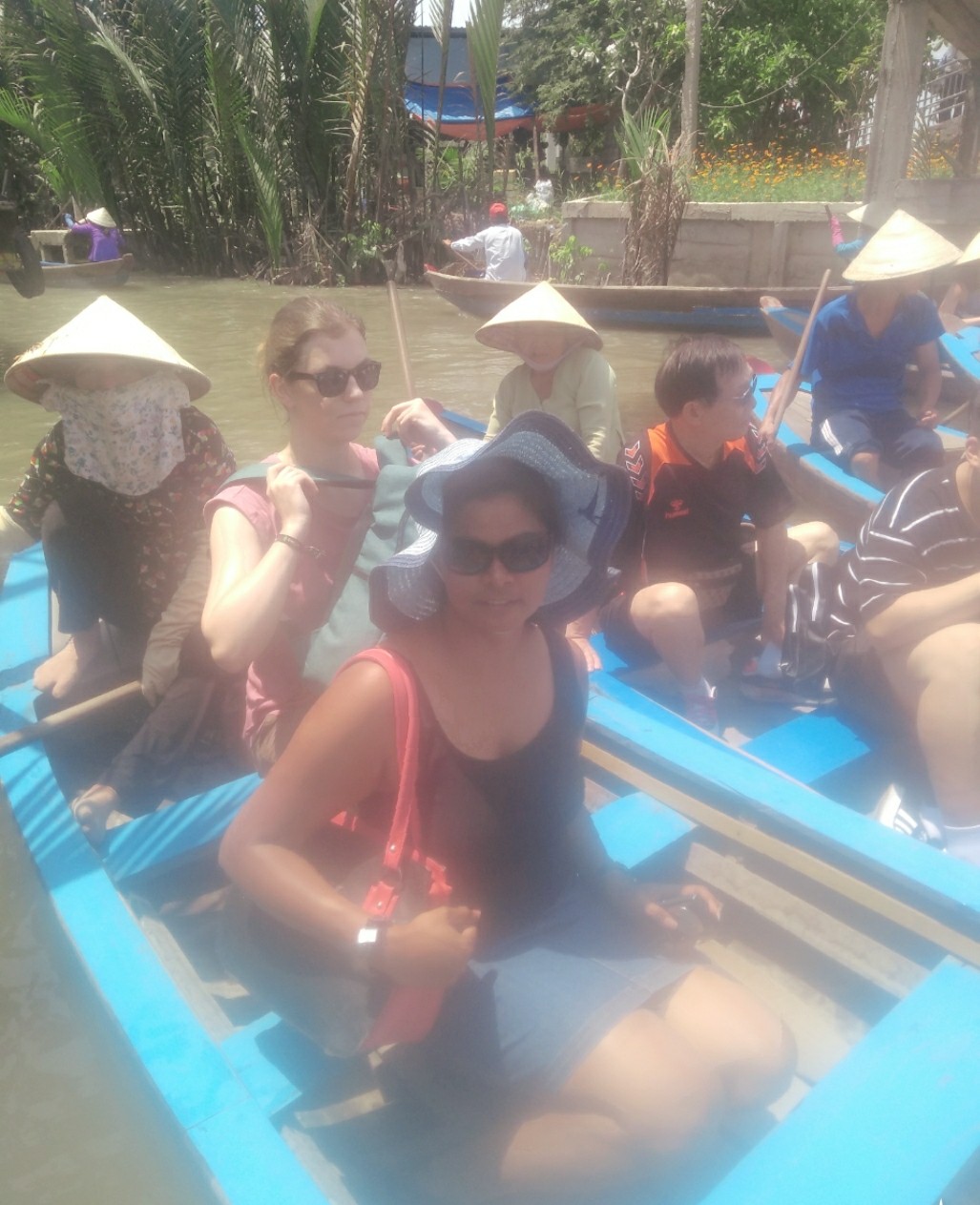
Mekong delta









 World travel